 Bellingham
 Board & Batten in Birchwood: A Style Choice That Has to Survive Real Weather
Board and batten has become one of the most requested siding profiles in Birchwood, and it's easy to see why. The vertical lines read as clean and modern on newer builds, but the profile also has deep roots in Pacific Northwest farmhouse and craftsman architecture, so it sits comfortably on older homes too. Wide flat boards with narrow battens covering the seams give a home texture and shadow line that flat lap siding can't match.
The catch is that board and batten is a system, not just a look. Every seam, fastener, and gap in that vertical layout is a decision point for water. In a neighborhood that sits inside Whatcom County's marine climate, those decisions matter more than they would somewhere dry. We install board and batten in Birchwood regularly, and almost every callback we've seen on other contractors' work traces back to the same handful of shortcuts — not bad taste, bad execution.
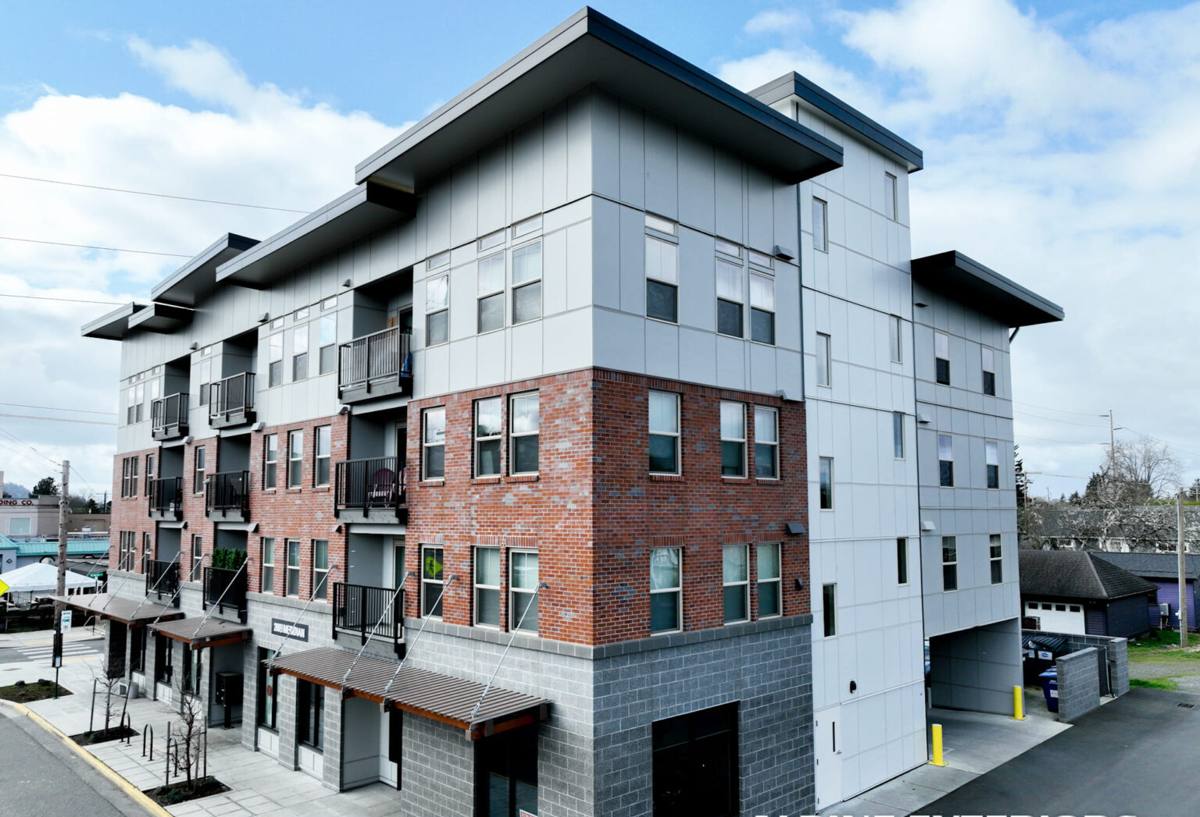
What Birchwood's Climate Actually Does to Vertical Siding
Bellingham and the surrounding Whatcom County communities sit close enough to the water that salt-laden air is a routine part of the exterior environment, even blocks away from the shoreline. Add driving rain that comes in sideways during winter storms and a moss season that can stretch for months under tree cover and cloud cover, and you have three separate stressors working on a home's siding at once.
Salt Air
Airborne salt accelerates corrosion on exposed metal — fasteners, flashing, trim caps — faster than it happens further inland. A siding system that traps moisture against those metal components ages faster here than the same system would in a dry climate.
Driving Rain
Vertical board and batten has more seams per square foot than horizontal lap siding, and wind-driven rain finds its way into any seam that isn't detailed correctly. The battens are doing real work — they're not just decorative trim, they're the water-shedding layer over the board joints.
Moss and Sustained Moisture
Shaded, north-facing, and tree-lined walls in Birchwood hold moisture longer than sun-exposed walls. Moss and algae growth on siding isn't just a cosmetic problem — sustained dampness against a wall assembly is what turns a small flashing gap into a rot problem over a few winters.
What a Correct Board & Batten Install Involves
A board and batten job that's going to hold up in this climate has to get several things right that aren't visible once the project is done.
Rainscreen Gap
We install with a drainage gap behind the siding rather than fastening boards directly to the weather-resistive barrier. That gap lets any water that does get past the battens drain and dry instead of sitting against the wall sheathing.
Batten Coverage and Fastening
Battens need to fully cover the board seams with enough overlap to handle wind-driven rain, and fasteners need to land in framing, not just sheathing, spaced and set to the manufacturer's specification. Over-driven or under-driven nails are a common source of long-term failure — either they don't hold, or they crack the board around the fastener head.
Flashing at Every Transition
Windows, doors, roof lines, and the base of the wall all need proper flashing integrated with the water-resistive barrier before a single board goes up. Board and batten's vertical seams make flashing details at these transitions even more important than they are with lap siding, because water running down a vertical board has a straight shot toward any gap at the bottom.
Why We Only Install James Hardie for Board & Batten
We standardized on James Hardie fiber cement for every siding profile we install, board and batten included, and we don't install vinyl board and batten panels, cedar board and batten, or primed wood alternatives. This isn't a preference we picked at random — it's a decision based on how each material actually performs in this climate.
Vinyl vertical panel systems are lightweight and affordable, but they're also more prone to warping and flexing with temperature swings, and repeated moisture cycling in a marine climate can work seams loose over time. Cedar board and batten looks beautiful when new, but real wood requires an ongoing maintenance commitment — refinishing, sealing, and moss treatment — that most homeowners underestimate, and the moss-prone conditions common in Birchwood accelerate that maintenance cycle. James Hardie fiber cement is non-combustible, holds paint and factory finish far longer than wood, and is engineered specifically for the moisture cycling that defines Pacific Northwest weather. Hardie's HZ5 product line is formulated for climates with more rain and moisture exposure, which fits Whatcom County directly.
James Hardie Board & Batten Options
James Hardie offers board and batten in a few different forms, and the right one depends on the look you're after and the home's existing architecture.
| Product | Format | Best Fit |
|---|---|---|
| HardiePanel Vertical Siding | Large-format panel with separate battens installed over the seams | Full board-and-batten walls, larger surfaces, modern or farmhouse exteriors |
| Artisan Board & Batten Collection | Pre-finished, tighter-reveal panel system with a more refined edge detail | Homes where a crisper, higher-end architectural look is the goal |
| HardieTrim Battens | Trim boards used as the batten strips over panel seams | Paired with either panel option to complete the profile |
All of these come with James Hardie's factory ColorPlus finish as an option, which bakes the color onto the board before it ever reaches the jobsite. That matters in a salt-air, high-moisture environment, because a factory finish resists fading and holds its bond to the fiber cement substrate more consistently than field-applied paint over time.
Board & Batten Compared to Other Siding Approaches
| Option | Upfront Cost | Maintenance in Birchwood's Climate | Typical Lifespan |
|---|---|---|---|
| Vinyl vertical panel | Lowest | Low effort, but prone to warping/fading and seam issues over time | Shorter, variable |
| Cedar board & batten | Moderate to high | High — regular sealing, refinishing, moss treatment | Depends heavily on upkeep |
| James Hardie board & batten | Moderate to high | Low — occasional washing, no refinishing cycle with ColorPlus | Long, backed by transferable warranty |
Our Process for Birchwood Board & Batten Projects
We walk every board and batten project through the same sequence, adjusted for the home's specific exposure and existing condition:
- On-site assessment: We look at the home's orientation, tree cover, existing moisture damage, and current siding condition before recommending anything.
- Water-resistive barrier and flashing plan: We map out flashing at every window, door, and transition before boards go up.
- Rainscreen installation: The drainage gap goes in first, sized correctly for the wall assembly.
- Board and batten installation: Panels and battens are installed to James Hardie's fastening and spacing specifications, not shortcuts to save labor time.
- Final detailing and walkthrough: Trim, caulking at the correct joints only, and a final walk with the homeowner before we call it done.
Maintaining Board & Batten Through a Long Moss Season
James Hardie siding is low-maintenance compared to wood or vinyl, but "low-maintenance" doesn't mean "no maintenance" in a climate like this one. A short annual routine keeps a board and batten exterior performing the way it should:
- Rinse siding with a garden hose or soft wash setup once or twice a year to clear pollen, salt residue, and early moss growth before it takes hold
- Keep gutters clear so overflow doesn't run down the face of the siding repeatedly during heavy rain events
- Trim back tree branches and shrubs that keep a wall shaded and damp longer than the rest of the house
- Check caulking at window and door trim annually, since caulk joints are the one component that does wear out faster than the siding itself
- Look at the base of the wall near grade for any signs of moisture staining, which usually points to a drainage or flashing issue rather than a siding problem
What Drives the Cost of a Board & Batten Project
Board and batten typically costs somewhat more than standard lap siding installed with the same material, mainly because of the extra labor involved in installing and fastening the batten strips over every seam. A few other factors move the price on a specific Birchwood project:
| Factor | Why It Matters |
|---|---|
| Wall height and complexity | Tall gables, dormers, and cut-ins around windows add labor time for both panels and battens |
| Existing siding removal | Tear-off and disposal of old siding adds cost versus building on new construction |
| Underlying sheathing condition | Rot or moisture damage found during tear-off needs to be repaired before new siding goes on |
| Finish selection | Factory ColorPlus finish costs more upfront than primed board but removes the future repainting cost |
Why Working With a Crew That Already Knows Birchwood Matters
Siding installation isn't identical everywhere. A crew that installs mostly in drier inland climates can do technically fine work and still under-detail flashing or skip a rainscreen gap because it's never bitten them before. Working regularly in Bellingham and the surrounding Whatcom County area means we've seen how driving rain, salt air, and long wet winters actually test a wall assembly over years, not just at the final walkthrough. That experience shapes how we flash, fasten, and gap every board and batten job we take on, in Birchwood and everywhere else we work in the county.
If you're considering board and batten siding for a home in Birchwood, we're happy to take a look and walk you through what it would actually involve for your specific house — no pressure, no obligation. Reach out for a free estimate using the form below.