 Bellingham
 Two Very Different Materials, One Regional Climate
Vinyl and fiber cement get compared constantly because they're the two most common siding choices homeowners in Whatcom County shop between. On paper they can look similar — both come in lap, shingle, and panel profiles, both are marketed as low-maintenance, and both are widely available through local suppliers. In practice, they behave very differently once they're on a house that faces salt air off Bellingham Bay, driving rain off the Sound, and months of shaded, moss-friendly dampness under the trees that line so many lots here. This page walks through the real trade-offs, not the sales pitch on either side.
We'll say upfront: this company installs only James Hardie fiber cement siding. We don't install vinyl. That's a standard we've chosen to hold, and by the end of this page you'll understand exactly why — based on how each material is made, how it's installed, and how it ages in this specific climate, not on vague claims about which one is "better."
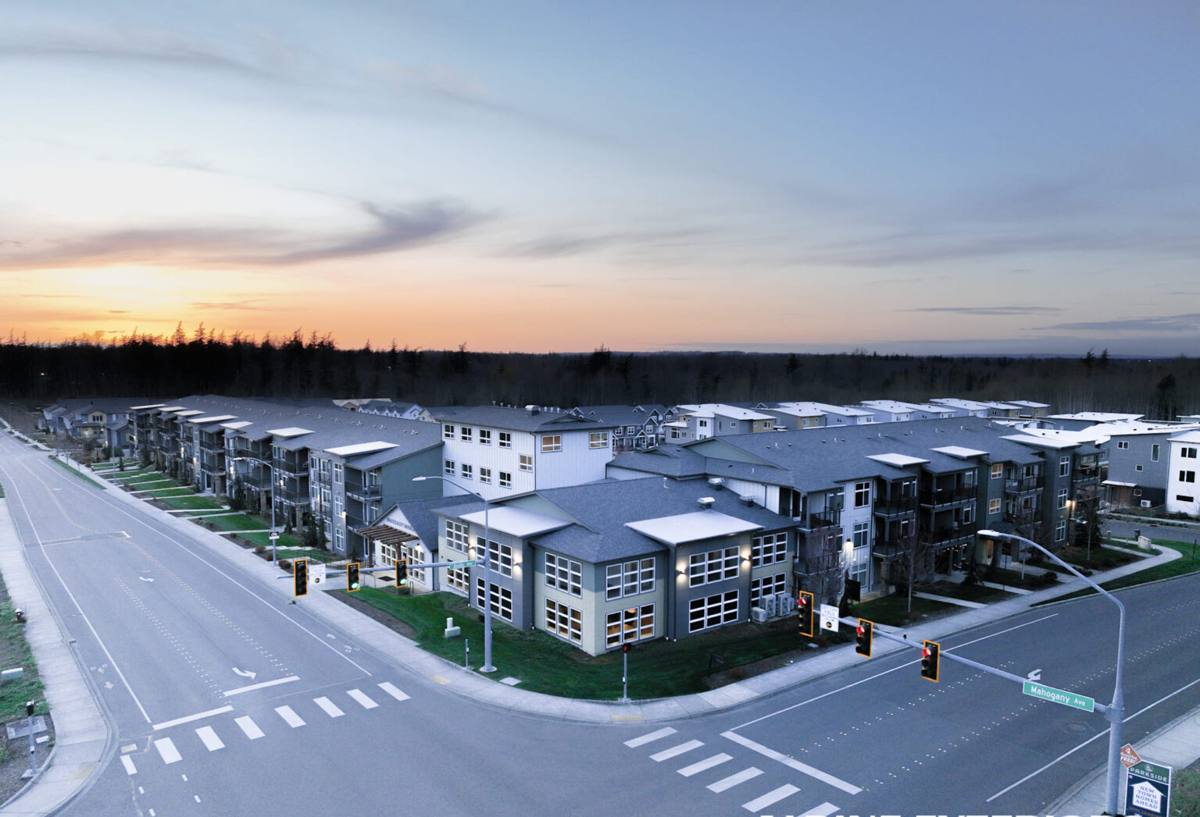
What Vinyl Siding Actually Is
Vinyl siding is an extruded PVC plastic panel, usually installed over house wrap and sheathing, that hangs on nail hem slots rather than being fastened rigidly to the wall. That hanging installation is intentional — vinyl expands and contracts significantly with temperature, and the panels need room to move or they buckle. It's manufactured in long production runs, color is mixed into the plastic itself, and it ships light, which keeps material and labor costs down.
Where Vinyl Genuinely Performs Well
- Lower upfront material and installation cost than most other siding types
- Never needs repainting — color is through the material, not a surface coating
- Doesn't rot, and insects don't feed on it
- Wide availability of colors and profiles, including some woodgrain-textured options
Where Vinyl Runs Into Trouble Here
Vinyl's biggest weakness in a Pacific Northwest coastal climate is what happens behind it, not to it. Because panels hang loosely and rely on lap-over-lap seams rather than sealed joints, wind-driven rain — which Bellingham gets plenty of, especially on lots exposed toward the water — can work its way behind the panels during storms. Vinyl itself won't absorb that moisture, but the wall assembly behind it can, and trapped moisture behind vinyl is harder to spot early because the siding hides it well. Vinyl also becomes brittle with age and UV exposure, so panels installed a decade or more ago tend to crack rather than flex when hit by debris, hail, or a stray branch — a common event under the conifer canopy found on many Whatcom County properties.
Salt-laden air off the bay doesn't corrode vinyl the way it does bare metal, but it does accelerate the chalking and fading that all PVC siding eventually shows, and once a panel is faded or cracked, matching it later is difficult — vinyl colors are discontinued and reformulated over time, so a repair on a 12-year-old house often means a visibly different patch.
What Fiber Cement Siding Actually Is
Fiber cement is a composite of Portland cement, sand, and cellulose fiber, cured into a dense, rigid board. James Hardie, the manufacturer we install exclusively, engineers separate HZ5 and HZ10 formulations for different climate zones — Bellingham falls into a wet, marine-influenced zone where moisture resistance and dimensional stability matter more than the wildfire or extreme-heat concerns HZ product lines address in other regions. Because fiber cement is dense and rigid, it's face-nailed directly to the wall rather than hung loosely, and it holds a straight, flat line without the wavy look vinyl can get in direct sun.
Where Fiber Cement Performs Well
- Dimensionally stable — doesn't expand, contract, or warp with temperature swings the way plastic does
- Non-combustible, which matters for insurance conversations and fire-rated assemblies
- Resists moss and mildew growth far better than wood-based siding, and cleans up without damaging the material
- ColorPlus factory-applied finish is baked on and warrantied separately from the substrate, so color holds up under UV and salt air exposure
- Doesn't become brittle with age — impact resistance stays consistent for the life of the siding
Where Fiber Cement Asks More Of You
Fiber cement isn't free of trade-offs. It's heavier and more labor-intensive to install than vinyl, which shows up in the upfront price. It has to be cut with the correct dust-controlled tools and fastened per Hardie's published spec — nailing pattern, gapping, and flashing details all matter, and a crew that treats it like vinyl (loose, gapped, caulk-and-hope) will get poor results regardless of the product's quality. It also isn't a DIY-friendly material the way vinyl can be for a confident homeowner. That's a real cost consideration, and we don't pretend otherwise.
Side-by-Side: The Factors That Actually Matter Here
| Factor | Vinyl | Fiber Cement (James Hardie) |
|---|---|---|
| Upfront cost | Lower | Higher |
| Performance in wind-driven rain | Depends heavily on install quality; seams are a weak point | Rigid, face-nailed assembly with fewer moisture entry points when installed to spec |
| Moss and mildew resistance | Moss grows on the surface film; can be pressure-washed but film often lifts | Cement substrate resists organic growth; cleans up without surface damage |
| UV and salt air fading | Chalks and fades over years; can't be repainted easily | Factory finish engineered for UV/coastal exposure; repaintable if ever needed |
| Impact resistance over time | Becomes brittle and cracks with age | Impact resistance stays consistent long-term |
| Fire rating | Combustible plastic | Non-combustible |
| Color matching for future repairs | Difficult — colors discontinued/reformulated | ColorPlus batches are more consistent; repainting is also an option |
| Installation sensitivity | Forgiving of minor errors | Requires correct fastening, gapping, and flashing to perform as designed |
Why Salt Air, Driving Rain, and Moss Season Change the Calculus
A lot of vinyl-vs-fiber-cement comparisons written for a national audience treat the two as roughly interchangeable, and in a dry inland climate that's a more defensible position. Bellingham isn't that climate. Properties near the water deal with salt-laden wind that accelerates surface degradation on plastics. Storms off the Sound bring rain sideways into wall assemblies, which punishes any siding system that relies on loose overlapping panels rather than a rigid, correctly flashed installation. And the long stretch of overcast, damp months each year — especially on north-facing walls or lots shaded by mature trees, common throughout Whatcom County — creates ideal conditions for moss and mildew to take hold on any surface that holds moisture or organic film.
None of that makes vinyl a bad product everywhere. It makes it a product whose weaknesses line up closely with this region's specific weather pattern, which is the core reason we chose not to install it.
Maintenance Reality, Year by Year
Vinyl's low-maintenance reputation is mostly true for the first several years. Beyond that, homeowners typically deal with: periodic washing to keep moss and mildew film from taking hold, watching for cracked or warped panels after storms or falling debris, and eventually facing a full re-side once enough panels have faded or failed that spot-repair no longer matches. There's no repainting option — once vinyl fades unevenly, the only fix is replacement.
Fiber cement with a factory ColorPlus finish generally needs periodic washing to keep organic growth off the surface, inspection of caulking at trim and penetration points, and touch-up paint only where the finish is physically damaged. If a homeowner wants a color change decades down the road, fiber cement can be repainted — vinyl effectively can't.
Warranty Structure: What You're Actually Covered For
Vinyl warranties vary widely by manufacturer and are often prorated — meaning the payout shrinks the longer you've owned the siding, and many exclude fading and chalking outright since that's considered expected wear. Warranty terms are also frequently tied to the original purchaser and don't always transfer cleanly to a new homeowner if the house sells.
James Hardie's warranty structure includes coverage on the fiber cement substrate and separate coverage on the ColorPlus finish, and is transferable, which matters for resale — a documented, transferable warranty is something a buyer's inspector and a real estate agent both recognize. We only install to Hardie's published fastening and clearance specifications specifically because doing otherwise can affect warranty standing.
What to Look For If You're Comparing Bids
- Ask exactly which fiber cement or vinyl product line is being quoted — not just "Hardie" or "vinyl," but the specific series and profile
- Ask what nailing pattern and gapping spec the crew follows, and whether it matches the manufacturer's published installation guide
- Ask how flashing is handled at windows, doors, and butt joints — this is where most moisture problems actually start
- Ask whether the warranty is transferable to a future buyer of the home
- Get the color and finish details in writing, including whether it's factory-applied or field-painted
- Confirm who's doing the actual installation — the contractor's crew or a subcontracted crew — and their experience with the specific material
Where This Leaves Homeowners
If budget is the primary constraint and the home is in a relatively sheltered spot, vinyl isn't an unreasonable choice on its own terms — it's a mature, well-understood product. But for the way this region actually treats exterior surfaces — the salt air, the wind-driven rain, the moss season that never really ends — we've made a professional call to standardize on James Hardie fiber cement and not offer vinyl at all. It costs more upfront. It also holds its line, its color, and its resistance to moisture and organic growth longer under exactly the conditions Bellingham and the rest of Whatcom County deliver every year.
If you're weighing siding options for a home here, we're happy to walk the exterior with you, point out what your specific exposure and site conditions mean for material choice, and give you a straightforward, no-pressure estimate — no obligation, just an honest look at what your house actually needs.