 Bellingham
 Siding in Sehome: What This Bellingham Neighborhood Deals With
Sehome sits close to the heart of Bellingham, on the rise near Western Washington University and Sehome Hill Arboretum, with a mix of older single-family homes and newer infill construction tucked under a mature tree canopy. That combination — hillside terrain, established trees, and proximity to Bellingham Bay — shapes what happens to exterior siding here more than most homeowners realize. It's not one big threat; it's a handful of smaller, steady ones that add up over years.
Whatcom County's climate is mild by national standards, but mild doesn't mean easy on a house. Long wet seasons, salt-tinged air moving in off the bay, and shaded, slow-drying exteriors under tree cover are a specific combination that some siding materials handle well and others don't. Understanding that is the first step in choosing a product that will actually hold up on a Sehome lot.
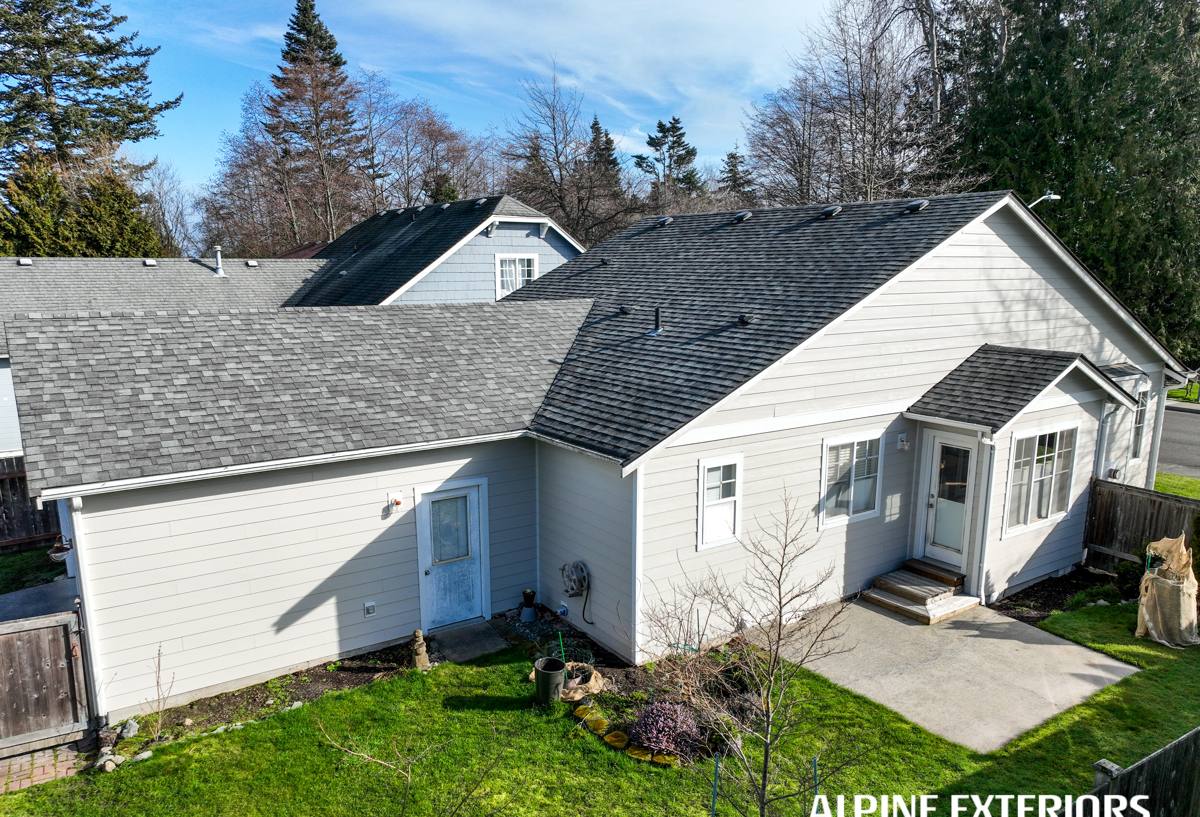
The Regional Climate Factor
Salt Air and Corrosion
Bellingham's location on Bellingham Bay means airborne salt is a real, if often underestimated, factor for homes throughout the city, including neighborhoods set back from the water like Sehome. Salt-laden moisture accelerates corrosion of fasteners, flashing, and any exposed metal trim, and it can speed up the breakdown of paint films and lower-grade siding substrates over time. It's a slow process, which is exactly why it gets missed — by the time it's visible, it's already been working on the house for years.
Driving Rain
Bellingham gets a lot of rain, but the more damaging factor for siding is wind-driven rain — storms that push moisture sideways into wall assemblies rather than letting it run straight down and off. This is hardest on the north and west-facing walls of a home and on any siding with seams, laps, or joints that weren't detailed correctly during installation. Water doesn't need a big gap to get in; it needs a small one and enough time.
Moss and Shade
Sehome's tree cover is one of its best features and one of its toughest challenges for exterior materials. Shaded walls and roof lines stay damp longer after every rain, which is exactly the environment moss and algae need to establish. On siding, sustained moisture and organic growth are a slow path to rot, cupping, and finish failure — especially on wood-based or wood-composite products that weren't engineered for a wet, shaded climate.
Why We Install Only James Hardie Fiber Cement Siding
We get asked why we don't offer more siding options. The honest answer is that after years of doing exterior work in this climate, we standardized on one product line — James Hardie fiber cement — because it's the one that consistently holds up to what Whatcom County actually throws at a house.
We don't install vinyl siding, LP SmartSide, Cemplank, Allura, primed spruce, or cedar. Each of those has legitimate strengths and a place in the market. But each also comes with a trade-off that matters more in a marine, wet-winter climate like ours than it might elsewhere:
| Material | Where it's used | Why we don't install it here |
|---|---|---|
| Vinyl siding | Budget and quick-turn projects | Can warp or crack in temperature swings, and it lacks the rigidity and finish depth of fiber cement |
| LP SmartSide | Engineered wood siding, cost-conscious builds | Wood-based substrate is more sensitive to sustained moisture exposure than fiber cement |
| Cemplank / Allura | Other fiber cement brands | We standardized on one manufacturer's factory finish system and warranty structure for consistency |
| Primed spruce | Traditional lap siding | Requires ongoing paint maintenance and is vulnerable to moisture and moss in shaded, damp settings |
| Cedar | Natural wood aesthetic | Beautiful material, but high maintenance demand and moisture sensitivity in a wet climate |
James Hardie fiber cement is non-combustible, dimensionally stable, and factory-finished with the ColorPlus coating system, which holds color and resists the kind of moisture-driven degradation that shows up on lower-grade products after a few Bellingham winters. Hardie also engineers its HZ5 product line specifically for climates that see a lot of moisture cycling, which describes Whatcom County well. It carries a strong, transferable warranty when installed to manufacturer spec — which matters, because siding warranties are only as good as the installation behind them.
What Correct Installation Looks Like on a Sehome Home
Fiber cement siding performs the way it's supposed to only when it's installed correctly, and installation quality is where a lot of the real-world difference between a good siding job and a mediocre one actually lives. On a shaded, moisture-prone lot, a few details matter more than usual:
- Proper flashing and weather-resistant barrier detailing at every window, door, and penetration
- Correct fastener spacing and type to avoid the corrosion issues salt air can accelerate
- Adequate clearance between siding and grade, decks, and roof lines to prevent trapped moisture
- Caulking and joint treatment that follows manufacturer specifications, not shortcuts
- Attention to ventilation behind the siding so damp, shaded walls can actually dry out between storms
These aren't optional extras — they're the difference between a Hardie installation that lasts decades and one that runs into avoidable problems in year five. This is also why the crew doing the work matters as much as the product itself.
Beyond Siding: Roofing, Windows, and Decks
Siding doesn't work in isolation — it's one piece of a home's exterior envelope, and in Sehome's climate, the roof, windows, and any deck or outdoor living space all face the same underlying pressures: sustained moisture, shade-driven damp, and the occasional wind-driven storm off the bay. We handle roofing, window replacement, and deck construction alongside siding because a house performs best when those systems are addressed together rather than as separate, disconnected projects. A new Hardie siding job paired with failing flashing at the roofline, or aging windows that leak air and moisture, only gets you partway to a truly weather-tight home.
Signs Your Current Siding May Need Attention
Homeowners in Sehome often notice small warning signs well before a siding problem becomes serious. Worth checking for periodically, especially on shaded or north-facing walls:
- Persistent moss, algae, or dark streaking that returns quickly after cleaning
- Soft spots, bubbling, or visible warping in wood or composite siding
- Paint that's peeling, chalking, or failing faster than expected
- Gaps, cracks, or separation at seams and trim joints
- Rusting or corroded fasteners and metal trim pieces
- Musty smells or visible staining on interior walls that share an exterior wall
Catching these early usually means a smaller repair. Waiting usually means the underlying sheathing or framing gets involved, which turns a siding job into a bigger structural repair.
Cost Factors for Siding Projects in Sehome
Every home is different, but a few consistent factors drive the scope and cost of a siding project in this neighborhood:
| Factor | Why it matters |
|---|---|
| Home size and wall complexity | More corners, dormers, and trim details mean more labor and material |
| Existing siding condition | Rot or hidden sheathing damage found during tear-off adds scope |
| Access and lot terrain | Sehome's hillside lots and mature landscaping can affect staging and access |
| Trim and color selections | Hardie's ColorPlus finishes and trim profiles vary in price |
| Scope of work | Siding-only versus a combined siding, roofing, and window project |
We don't quote broad numbers without seeing the house — too many of those variables change the estimate. What we can say is that a proper Hardie installation is a long-term investment in a home's durability, not just its appearance, and that shows up in reduced maintenance and repair costs over the years that follow.
Why a Local Crew Matters in Whatcom County
A crew that works in Bellingham year-round understands things a traveling or out-of-area contractor often doesn't: which walls in a given neighborhood take the worst of the wind-driven rain, how much shade and moss pressure a hillside lot near mature trees is going to see, and how salt air off the bay factors into fastener and flashing choices. That local knowledge shows up in the small decisions made on-site, not just in the sales pitch. It's also what makes a company accountable — we're still here, in this county, if a warranty issue or a question comes up years down the line.
If you're weighing a siding project for a home in Sehome, or want a second opinion on an existing quote, we're happy to take a look and talk through what your specific house needs. Reach out for a free, no-pressure estimate — there's a form below to get started.