 Bellingham
 Why Ferndale Homes Need Siding Built for This Climate
Ferndale sits close enough to Bellingham Bay and the Salish Sea that salt-laden air is a daily fact of life for the homes here, not an occasional nuisance. Add Whatcom County's long wet season, driving rain that comes in sideways off the water during winter storms, and a moss season that can stretch from fall through spring, and you have an exterior envelope that's under near-constant pressure. Siding in Ferndale isn't just a cosmetic choice — it's the first line of defense against moisture intrusion, wood rot, and the slow, expensive damage that shows up years after a corner got cut during installation.
We install James Hardie fiber cement siding exclusively, and Ferndale is exactly the kind of environment that explains why. This page covers what a correct siding installation looks like in this specific area, what local homes tend to need, and how our process protects the work for the long haul.
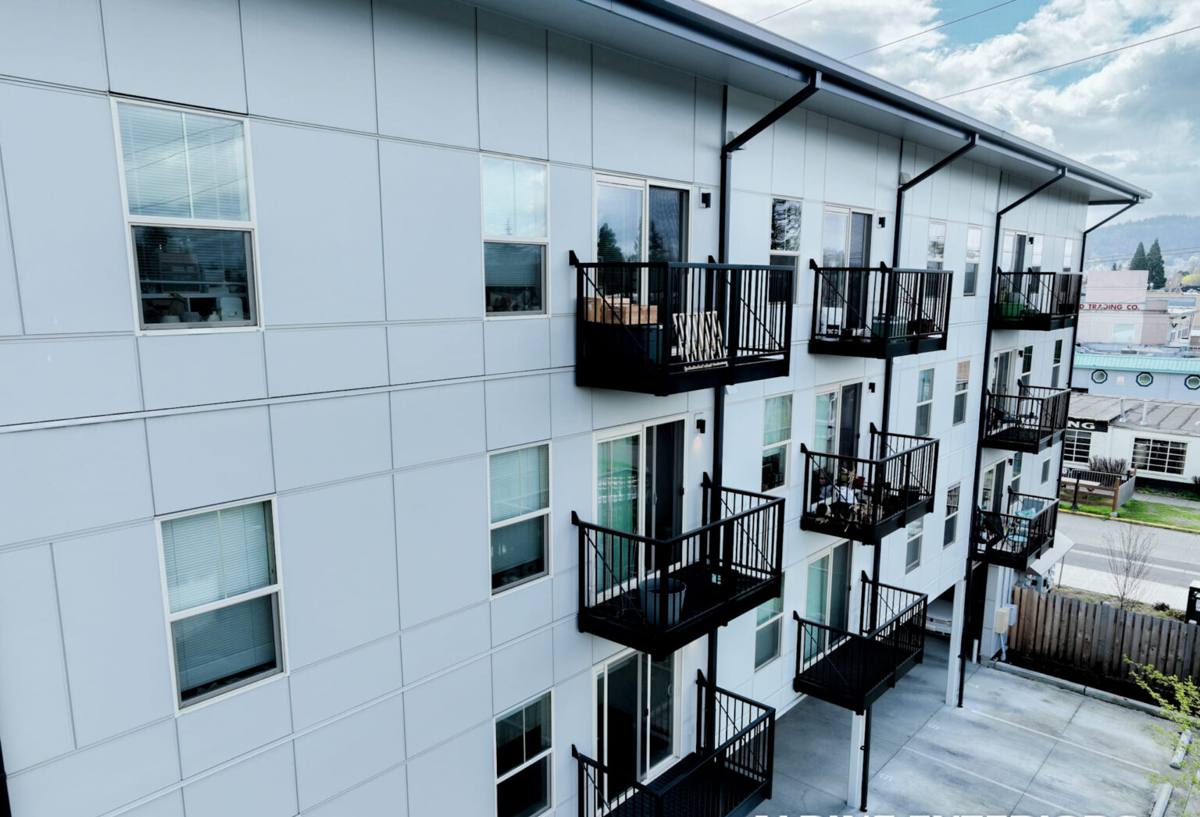
What Salt Air, Rain, and Moss Actually Do to Siding
Salt Air
Airborne salt is corrosive to metal fasteners, flashing, and trim, and it accelerates the breakdown of finishes that aren't engineered to resist it. Over time, salt exposure can chalk, fade, or pit lower-grade siding materials and hardware faster than the same products would wear inland. This matters most for anything within a few miles of the water — which describes a large share of Ferndale.
Driving Rain
Whatcom County doesn't just get a lot of rain — it gets wind-driven rain that hits walls at an angle instead of falling straight down. That means water finds its way into laps, seams, and penetrations (windows, doors, hose bibs, light fixtures) that a fair-weather installation might get away with in a drier climate. Correct flashing and lap sequencing aren't optional details here; they're the difference between a wall that sheds water and one that slowly absorbs it.
Moss and Sustained Moisture
A long moss season means siding surfaces, especially on north-facing walls and shaded elevations, stay damp for extended stretches. Moisture that lingers against a wood-based or poorly sealed product creates ideal conditions for rot, swelling, and paint failure. Products that aren't dimensionally stable when wet are especially vulnerable to this cycle repeating year after year.
Practical Signs a Ferndale Home May Need New Siding
- Paint that's peeling, bubbling, or needs recoating more often than every 8-10 years
- Soft or spongy spots when you press on siding near the base of walls or under windows
- Visible warping, buckling, or gaps opening up between boards or panels
- Persistent moss or algae growth that returns quickly after cleaning
- Staining or streaking near seams, corners, or anywhere flashing meets siding
- Rising energy bills that suggest the wall assembly is no longer performing as insulation
Why We Install James Hardie and Nothing Else
We made a deliberate decision to standardize on James Hardie fiber cement siding rather than offering a menu of vinyl, LP SmartSide, primed spruce, cedar, or other fiber cement brands. That's not a marketing angle — it's a response to what we've seen hold up (and what doesn't) in exactly this kind of climate.
Fiber cement as a category resists moisture, insects, and fire far better than wood-based alternatives, and it doesn't expand and contract the way vinyl does under temperature swings. Within fiber cement, James Hardie's HZ5 product line is engineered specifically for the wetter, harsher climate zones the Pacific Northwest falls into, with a manufacturing process and factory-applied ColorPlus finish designed to hold color and resist the kind of moisture cycling Ferndale sees for most of the year. The warranty backing that finish is also structured to transfer with the home, which matters to homeowners thinking about resale.
None of this means other products are without merit — vinyl is inexpensive and low-maintenance in mild climates, and cedar has real aesthetic appeal. But given what salt air, driving rain, and sustained dampness do to painted wood, seams, and lower-grade materials over time, we standardized on the one product system we're confident performs to spec here, and we install it correctly every time rather than offering a cheaper option we'd have reservations about.
What a Correct Siding Installation Involves
The siding material is only part of the equation. Most siding failures we see trace back to installation shortcuts, not the product itself. A correct job in this climate includes:
- Substrate inspection. Checking the sheathing underneath for existing rot or moisture damage before anything new goes on — covering up a problem never fixes it.
- Weather-resistive barrier. A properly lapped and sealed water-resistive barrier behind the siding, which is the actual moisture backstop if any water gets past the cladding.
- Flashing at every penetration. Windows, doors, vents, and any wall-mounted fixture need flashing detailed to shed water outward, not funnel it behind the siding.
- Correct fastening. James Hardie specifies fastener type, spacing, and placement for a reason — under-fastening or over-driving nails compromises both appearance and performance.
- Proper clearances. Siding needs to sit above grade, roofing, decks, and other surfaces by the manufacturer's minimum clearance so it never sits in standing water or gets buried in debris.
- Caulking and sealant discipline. Sealed where it should be sealed, and left open where it needs to drain — sealing the wrong joints traps moisture instead of releasing it.
Our Ferndale Installation Process
We approach every Ferndale project the same methodical way, adjusted for the specific exposure of the home — a waterfront-adjacent lot faces different pressure than one set back among trees.
- On-site assessment. We walk the exterior, check the current siding and substrate condition, and note exposure factors like prevailing wind direction and shaded, moss-prone elevations.
- Detailed estimate. A written scope covering material, labor, tear-off (if applicable), and any substrate repair we identify — no vague allowances.
- Substrate prep. Any rot, soft sheathing, or damaged framing gets repaired before new siding ever goes up.
- Weather barrier and flashing installation. This step, largely invisible once the job is done, is where most of the long-term performance is decided.
- Hardie panel or lap installation. Installed to manufacturer spec for fastening, spacing, and clearance.
- Final inspection and walkthrough. We review the finished work with the homeowner and confirm everything meets both our standard and Hardie's installation requirements, which also protects the manufacturer warranty.
Why Local Experience Matters
A crew that's worked other parts of Whatcom County — or the Bellingham area generally — knows the difference between a job that looks fine on a dry August afternoon and one that's actually built to survive a wet Ferndale winter. That experience shows up in small decisions: how tight to run clearances near grade, where extra flashing attention is warranted, which elevations need extra care against moss buildup, and how to sequence work around the region's rain patterns so the substrate isn't left exposed longer than necessary. It also means we're not guessing at how James Hardie's HZ5 product performs locally — we've installed it across this climate and know what correct execution looks like here specifically.
Cost Factors for Ferndale Siding Projects
Every home is different, but the same handful of factors drive most of the variation in siding project scope and cost. We won't quote a number without seeing the home, but this is what typically moves the estimate:
| Factor | Why It Matters |
|---|---|
| Home size and wall complexity | More square footage and more corners, gables, or dormers mean more material and labor |
| Substrate condition | Existing rot or moisture damage requires repair before new siding can go on correctly |
| Tear-off vs. new construction | Removing and disposing of existing siding adds labor beyond a bare-wall installation |
| Siding profile chosen | Lap width, panel style, and trim details affect both material cost and install time |
| Color and finish | Factory-applied ColorPlus finishes vs. field-painted options affect both cost and long-term maintenance |
| Site access | Tight lots, multi-story walls, or landscaping obstacles affect labor and equipment needs |
What to Ask Before Hiring Anyone for Siding Work
Whatever contractor a homeowner ultimately chooses, a few questions separate a careful crew from one cutting corners on a wet-climate job:
- Will you inspect and repair the substrate before installing new siding, or just cover what's there?
- What weather-resistive barrier and flashing details do you use, and are they installed to the siding manufacturer's specifications?
- Are your installers factory-trained or certified on the specific product being installed?
- What does the warranty actually cover — material only, or labor as well — and is it transferable?
- Can you walk me through your fastening and clearance approach before work starts, not after?
If your Ferndale home is due for new siding, or you're not sure whether what's on the walls now is holding up the way it should, we're happy to take a look. Reach out using the form below for a free, no-pressure estimate — we'll assess the home, explain what we see, and give you a straightforward scope with no obligation.