 Bellingham
 Metal Roofing in Sunnyland: Built for This Neighborhood's Weather
Sunnyland sits close enough to Bellingham Bay that salt-laden air is a daily fact of life, and far enough into the Pacific Northwest weather pattern that driving rain and long, wet winters are the norm rather than the exception. A roof here isn't just shedding water for a few weeks a year during storm season — it's under near-constant moisture pressure for eight or nine months straight, with a moss season that can stretch even longer on north-facing slopes and shaded lots. Metal roofing has become a popular answer for homeowners in this part of Whatcom County precisely because it handles that combination well, but only when it's specified and installed correctly for local conditions. This page walks through what that actually means for a Sunnyland home.
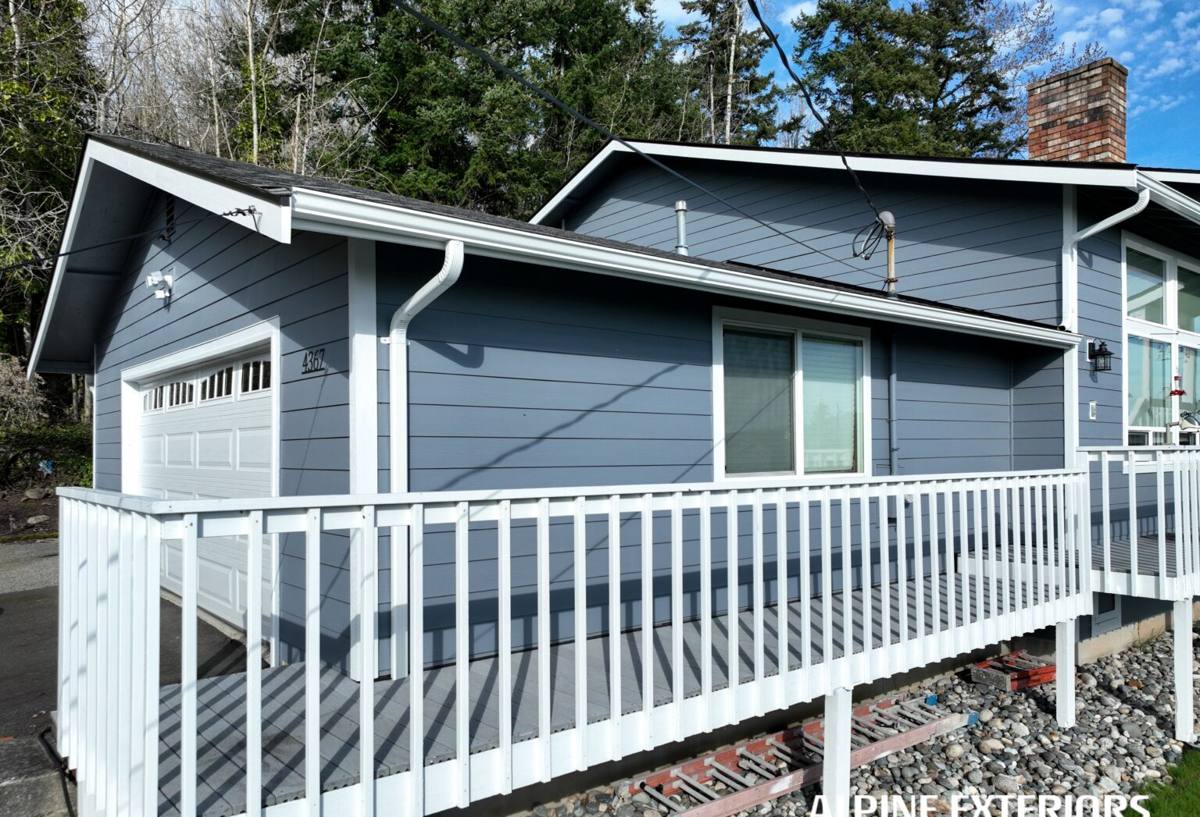
What Bellingham's Climate Actually Demands From a Roof
Three things define roofing conditions in this neighborhood, and each one shapes a different part of the job:
- Salt air corrosion — proximity to the bay means airborne salt settles on exposed metal, fasteners, and flashing over time. Material choice and fastener grade matter more here than they would inland.
- Driving rain — wind-driven rain off Bellingham Bay doesn't just fall straight down; it pushes sideways under laps, around penetrations, and up under poorly sealed flashing. Underlayment and flashing detail work carry more of the waterproofing burden than the panels themselves.
- Extended moss season — shaded lots, tree cover, and the region's damp, mild winters give moss and algae a long window to establish. On the wrong roof material, that growth traps moisture against the surface and shortens the roof's life.
Any metal roofing system installed in Sunnyland needs to be chosen and detailed with all three of these in mind at once, not just one of them.
Why Metal Performs Well Here — With the Right Setup
Metal roofing has a real advantage in moss-prone, wet climates: it doesn't give organic growth the same foothold that a rougher, more porous surface does. Standing seam and many coated panel systems shed moss and algae far more readily than asphalt shingles, and a properly coated metal surface resists the kind of granule loss and surface breakdown that shingles experience under constant rain exposure. That said, metal roofing is not maintenance-free, and it is not immune to the salt air near the bay. The performance difference comes down to the coating system, the fastener hardware, and the flashing detail — get any of those wrong and you lose the advantage metal is supposed to give you.
Coating and Finish Matter More Near the Bay
Bare or poorly coated metal will corrode faster in a salt-air environment. We look for panel systems with a proven factory finish (typically a baked-on paint system over a galvanized or Galvalume substrate) rated for coastal or near-coastal exposure. This isn't about upselling a premium product — it's about not putting a roof on a Sunnyland home that's going to chalk, fade, or pit at the seams within a decade because the coating wasn't rated for the environment it's sitting in.
Metal Roofing Systems We Install
Not every metal roofing product is the right fit for every home. Here's how the main options compare for a house in this neighborhood:
| System | Best Suited For | Notes for Sunnyland Conditions |
|---|---|---|
| Standing seam (concealed fastener) | Most homes, especially anywhere visible from the street or under tree cover | No exposed screw heads to work loose or corrode; best moss and rain performance of the common options |
| Exposed-fastener panel (corrugated/ribbed) | Outbuildings, shops, budget-driven projects | Lower upfront cost, but fastener gaskets are a maintenance point and a common source of small leaks over time in this climate |
| Stone-coated steel | Homeowners who want a shingle or tile look with metal's durability | Performs well in rain and moss resistance; interlocking profile needs correct fastening for wind-driven rain |
| Metal shingles/shakes | Homes where a traditional roofline profile matters | Good moss resistance, more seams than standing seam so flashing detail at valleys and penetrations is critical |
For most Sunnyland homes, we lean toward standing seam or stone-coated steel because both minimize the seams and exposed hardware that salt air and driving rain exploit over time. Exposed-fastener panels have their place, but we're honest with homeowners about the added maintenance that comes with them this close to the bay.
What a Correct Installation Actually Involves
The panels are the visible part of a metal roof, but they're not what determines whether it stays watertight through a Whatcom County winter. The details underneath and around them do the real work.
Underlayment
We install a high-temperature, self-adhering synthetic underlayment as a second line of defense, particularly at eaves, valleys, and around penetrations where wind-driven rain is most likely to work its way under panel laps. In a climate with this much sustained rain, skipping or skimping on underlayment is one of the most common ways a metal roof fails early.
Fasteners and Hardware
Every screw, clip, and fastener needs to be rated for the panel material and for coastal exposure. Mismatched metals between fasteners and panels cause galvanic corrosion — a slow, hidden failure mode that shows up as rust streaking and eventual leaks years after installation. We match hardware to the panel system on every job, not just whatever is on the truck.
Flashing and Penetrations
Chimneys, vents, skylights, and valleys are where the large majority of roof leaks originate, metal or otherwise. Flashing has to be formed and layered correctly — not just caulked — to shed water in driving rain conditions rather than relying on sealant that will eventually degrade.
Ventilation
Proper attic and roof deck ventilation prevents condensation from building up under the panels, which matters in a climate where indoor and outdoor temperature and humidity differences are common for much of the year. Poor ventilation can cause moisture problems from the underside of a metal roof even when the exterior installation is flawless.
Our Process From Estimate to Cleanup
- On-site assessment — we look at your existing roof structure, decking condition, ventilation, tree cover, and sun exposure to understand what your specific lot is dealing with.
- System recommendation — based on that assessment, we recommend a panel type, gauge, and coating suited to your home and budget, and explain the trade-offs plainly.
- Written estimate — a clear scope of work and price, with no vague allowances hiding in the fine print.
- Deck prep and underlayment — any needed decking repairs are addressed before underlayment goes down, not covered over.
- Panel installation and flashing — panels, seams, and all flashing details installed to manufacturer spec and to the standard this climate requires.
- Final walkthrough and cleanup — job site cleared of debris and fasteners, and we walk the finished roof with you before we consider the job done.
Moss and Maintenance: What Homeowners Should Actually Do
Even a well-installed metal roof benefits from basic seasonal attention in a moss-heavy climate like this one. A short annual checklist goes a long way:
- Clear overhanging branches to reduce shade and debris buildup on the roof surface
- Keep gutters and downspouts clear so water isn't backing up under eave edges during heavy rain
- Rinse off accumulated debris and moss spores in shaded valleys once or twice a year rather than letting organic matter build up
- Avoid pressure washing directly on seams and fasteners — a gentle rinse is enough on a properly coated metal roof
- Have flashing and sealant points visually checked every year or two, especially after a hard winter
This is far less maintenance than an asphalt roof typically requires in the same conditions, but "less maintenance" isn't the same as "no maintenance."
What Affects Cost on a Metal Roofing Project
| Factor | Why It Matters Here |
|---|---|
| Panel system chosen | Standing seam typically costs more upfront than exposed-fastener panel but needs less long-term maintenance |
| Roof complexity | More valleys, penetrations, and roof planes mean more flashing work, which drives both material and labor cost |
| Existing deck condition | Rot or moisture damage found during tear-off adds repair cost but shouldn't be skipped or covered up |
| Coating and gauge | Heavier gauge and marine-rated coatings cost more but pay off in salt-air durability near the bay |
| Tear-off vs. overlay | Full tear-off costs more than overlay but gives us a chance to inspect and correct the deck and underlayment |
We don't quote in vague ranges pulled from a national average — every estimate reflects your actual roof, your actual access, and the actual system we're recommending for your home.
Why Hiring a Crew That Already Works Sunnyland Matters
A roofing crew that works this specific area regularly understands things a general contractor coming from outside the region might miss: which streets sit in heavier tree shade and need extra attention to moss and ventilation, how exposed a given lot is to bay-driven wind and rain, and what fastener and coating specs actually hold up here versus what a spec sheet promises in ideal lab conditions. That local pattern recognition shows up in fewer callbacks and a roof that's actually specified for the microclimate it sits in, not just the regional average. It also means someone who's reachable and accountable if a question comes up two or five years down the road, not a crew that did one job in the area and moved on.
Ready to Talk About Your Roof?
If you're weighing metal roofing for a home in Sunnyland, we're happy to take a look, walk you through the options that make sense for your specific roof and budget, and give you an honest read on what your roof actually needs. Fill out the form below for a free, no-pressure estimate.