 Bellingham
 Storm Season in York: What Bellingham Weather Actually Does to a Roof
The York neighborhood sits close enough to Bellingham Bay that salt air is a real factor on roofing metal and fasteners, and far enough into the trees that shade and moisture keep roof surfaces damp for days after a storm passes. That combination is harder on a roof than wind alone. A single winter storm can loosen shingles, but it's the weeks of driving rain and standing moisture afterward that turn a small tear into a leak, and the leak into rot in the decking underneath.
Whatcom County doesn't get the hail or tornado damage you'd see in other parts of the country. What it gets instead is long, wet, windy weather systems that push rain sideways under flashing, and a moss season that runs most of the year in shaded, north-facing sections of a roof. Storm damage repair here is less about one dramatic event and more about catching what a storm exposed before the next one makes it worse.
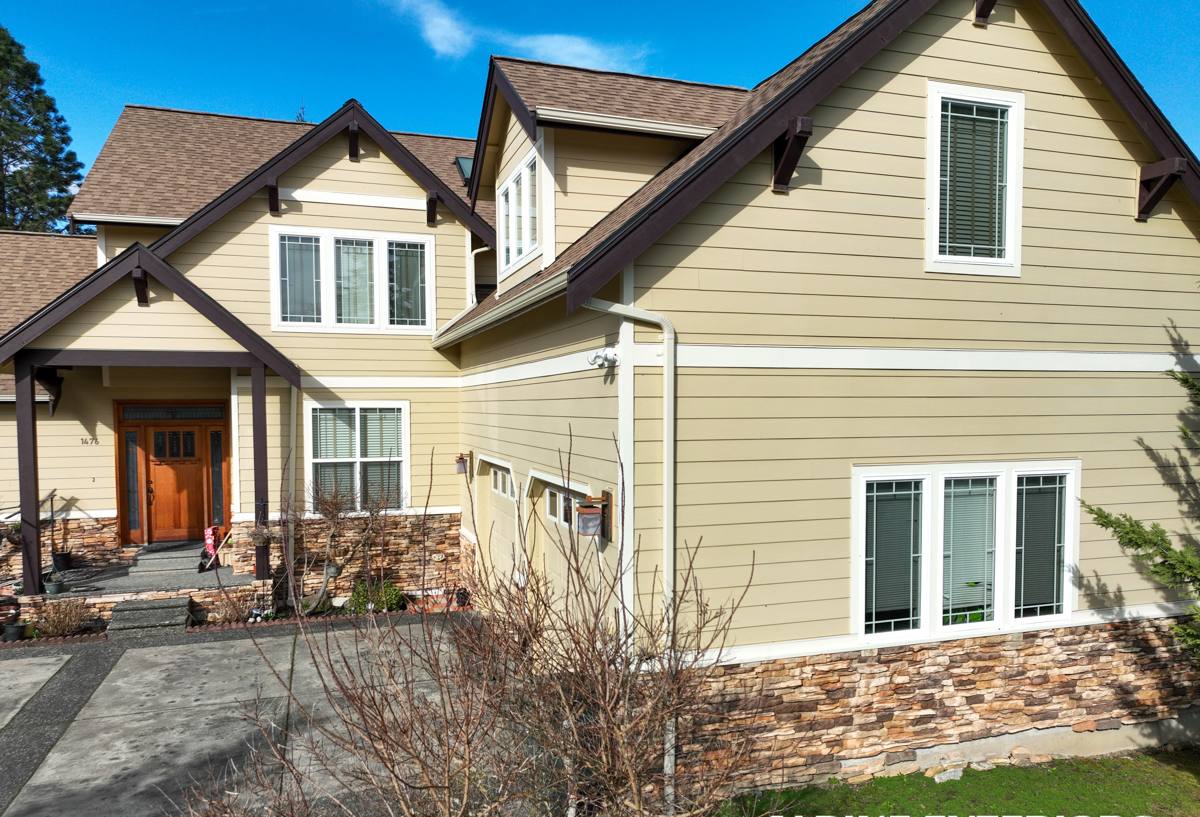
Warning Signs Your York Home May Have Storm Damage
Most storm damage isn't obvious from the ground. Homeowners usually notice it only after water has already found its way inside. Here's what's worth checking after any significant wind or rain event:
- Shingles that look lifted, curled, or are missing granules in a concentrated patch (usually the roof's windward side)
- Metal flashing around chimneys, vents, or skylights that's bent, pulled loose, or visibly gapped
- Debris — branches, needles, moss clumps — piled against a ridge or valley instead of shedding off
- New or darker water stains on interior ceilings, especially near exterior walls or after the most recent storm
- Sagging or soft spots when walked on, which usually means the decking underneath has already absorbed water
- Granules collecting in gutters or downspouts, a sign shingles are past their protective life or were damaged by impact
If you see two or more of these after a storm, it's worth having someone look before the next system rolls through — not because every sign means a major repair, but because catching it early is almost always the cheaper path.
Why Quick Patches Often Fail in This Climate
It's tempting to slap a bead of roofing cement over a lifted shingle and call it done. In a drier climate that might hold for a season. In York, with rain that can come sideways and roof surfaces that rarely fully dry out, cement patches trap moisture as often as they block it. Water finds the edge of the patch, gets under it, and now you have a repair that's hiding a problem instead of fixing it.
The other issue is moss. A patch applied over or near an area with active moss growth doesn't address why that section stays wet longer than the rest of the roof. Moss holds moisture against the shingle surface, and shingles that stay damp break down faster regardless of their age. Any real repair in this area has to deal with the moss and the drainage path, not just the visible tear.
What a Correct Storm Damage Repair Involves
A Real Inspection, Not a Guess From the Ground
A proper storm damage assessment means getting on the roof, not just looking at it from the driveway. That's the only way to check flashing seals, look under lifted shingles, and see whether water has already tracked into the decking. It also means checking areas away from the obvious damage — storms rarely affect just one spot, and a second weak point often shows up nearby.
Matching the Repair to the Underlying Layers
Shingles are the visible layer, but the underlayment and flashing underneath do the actual waterproofing. A correct repair replaces damaged underlayment in the affected section, not just the shingles on top of it, and re-seats or replaces flashing rather than caulking over gaps. Skipping this step is the single most common reason a "repaired" roof leaks again during the next storm.
Addressing Moss and Debris as Part of the Job
Where moss contributed to the damage, treatment and cleaning are part of the repair, not a separate upsell. That means safely removing growth without stripping granules, treating the area to slow regrowth, and checking that valleys and gutters are clear so water actually leaves the roof instead of sitting on it.
Repair Scope: Matching the Fix to the Damage
Not every storm-damaged roof needs the same level of work. The right scope depends on how much of the roof is affected and what's happening underneath the surface.
| Repair Scope | When It Fits | What's Involved |
|---|---|---|
| Spot Repair | Isolated damage, decking still dry and sound | Remove and replace affected shingles and underlayment, reseal flashing, clean debris |
| Section Replacement | Damage spread across a slope or valley, some moisture intrusion | Tear off a full section down to decking, replace any soft sheathing, new underlayment and shingles |
| Full Roof Replacement | Widespread age-related wear combined with storm damage, or repeated repairs in the same areas | Complete tear-off, new decking as needed, full underlayment and shingle system |
An honest contractor will tell you which category your roof actually falls into, and won't push a full replacement when a section repair will hold up. On the flip side, a spot repair on a roof that's already near the end of its service life is money spent on a roof you'll be replacing soon anyway — that's worth knowing before you commit to either path.
Our Process, Start to Finish
- On-roof inspection with photos, including areas beyond the obvious damage
- Written scope and estimate that explains what's damaged, what's precautionary, and what can wait
- Tear-off of only the affected area — we don't remove more of the roof than the repair requires
- Decking inspection once shingles are off; any soft or rotted sheathing gets replaced before anything goes back down
- New underlayment and flashing installed to current standards, even if the original wasn't done that way
- Shingles matched as closely as possible to the existing roof
- Final walk-through so you can see the finished work and ask questions before we consider the job done
Materials We Use and Why
For storm repairs we work with established manufacturer lines — GAF, CertainTeed, and Owens Corning are the ones we install most — chosen to match what's likely already on the roof and to keep any manufacturer warranty intact. Mixing incompatible shingle types on the same roof can void warranty coverage, so matching matters more than it might seem for what looks like a small patch job.
For underlayment, we default to synthetic underlayment over traditional felt in most of this repair area, and to self-adhering ice-and-water shield at eaves, valleys, and around penetrations. Felt absorbs moisture and can wrinkle under sustained wet conditions; synthetic underlayment sheds water and holds up better through repeated wet-dry cycles, which is the normal pattern here for much of the year. It's a small cost difference for a meaningfully better moisture barrier in a climate that doesn't give a roof much time to dry out between storms.
Working With Insurance on a Storm Claim
If a specific wind or storm event caused the damage, it may be worth a call to your insurance carrier before repairs begin. We provide photo documentation and a written scope of damage that homeowners can submit with a claim — we're not adjusters and don't speak for the insurance company, but a clear, itemized assessment from the contractor doing the work makes the claims conversation more straightforward. Not every repair needs to go through insurance; for smaller spot repairs, the deductible may cost more than the repair itself, and we'll tell you honestly if that's the case.
Why a Crew That Already Works in York Matters
A roofing crew that regularly works in this specific area already knows which roof orientations in York tend to hold moisture longest, how much moss pressure to expect on shaded lots, and what the salt-influenced air near the bay does to exposed fasteners and flashing over time. That's not something you get from a general knowledge of Bellingham roofing — it comes from working on roofs in this exact area, season after season, and seeing which repairs actually hold up and which ones come back.
It also means faster response after a storm. A crew already scheduling work in and around York doesn't need to build a special trip around your repair, which matters when a tarp is holding back the weather and every day counts.
Keeping the Repair From Becoming a Repeat Job
A few habits go a long way toward making a storm repair last:
- Clear gutters and valleys before the fall rains start, not after the first big storm
- Trim back branches that overhang the roof — they drop debris and hold shade that keeps sections wet
- Have the roof looked at after any storm strong enough to bring down branches or patio furniture
- Address moss while it's light growth, not after it's established across a full slope
- Keep a simple record of any repair work so the next contractor — or the next storm — isn't starting from zero
None of this replaces a proper repair, but it does mean the repair you pay for actually gets its full lifespan instead of getting undone by the next season's weather.
If your roof took a hit in the last storm, or you're just not sure whether what you're seeing is worth worrying about, we're happy to take a look. The estimate is free, there's no pressure to move forward, and you'll get a straight answer about what's actually needed — use the form below to get started.