 Bellingham
 Asphalt Shingle Roofing Built for York's Weather, Not Against It
York sits close enough to the water and the marine air pattern that moves through Whatcom County that its roofs take on a specific kind of punishment: salt-laced moisture, wind-driven rain that finds its way under poorly lapped shingles, and long stretches of shade and dampness that let moss and algae take hold. A roof that would hold up fine in a drier inland climate can start failing here years ahead of schedule if it wasn't installed with these conditions in mind. Asphalt shingle roofing is still the most practical, cost-effective option for most York homes — but only when the installation accounts for what this specific stretch of Bellingham actually deals with year-round.
This page is about that one job, done right, in this one area. We're not going to talk you into a different roofing material or pad this out with generic roofing advice. If you own a home in York and you're weighing a new roof, a repair, or you just want a straight answer on what shape your roof is in, this is what you need to know.
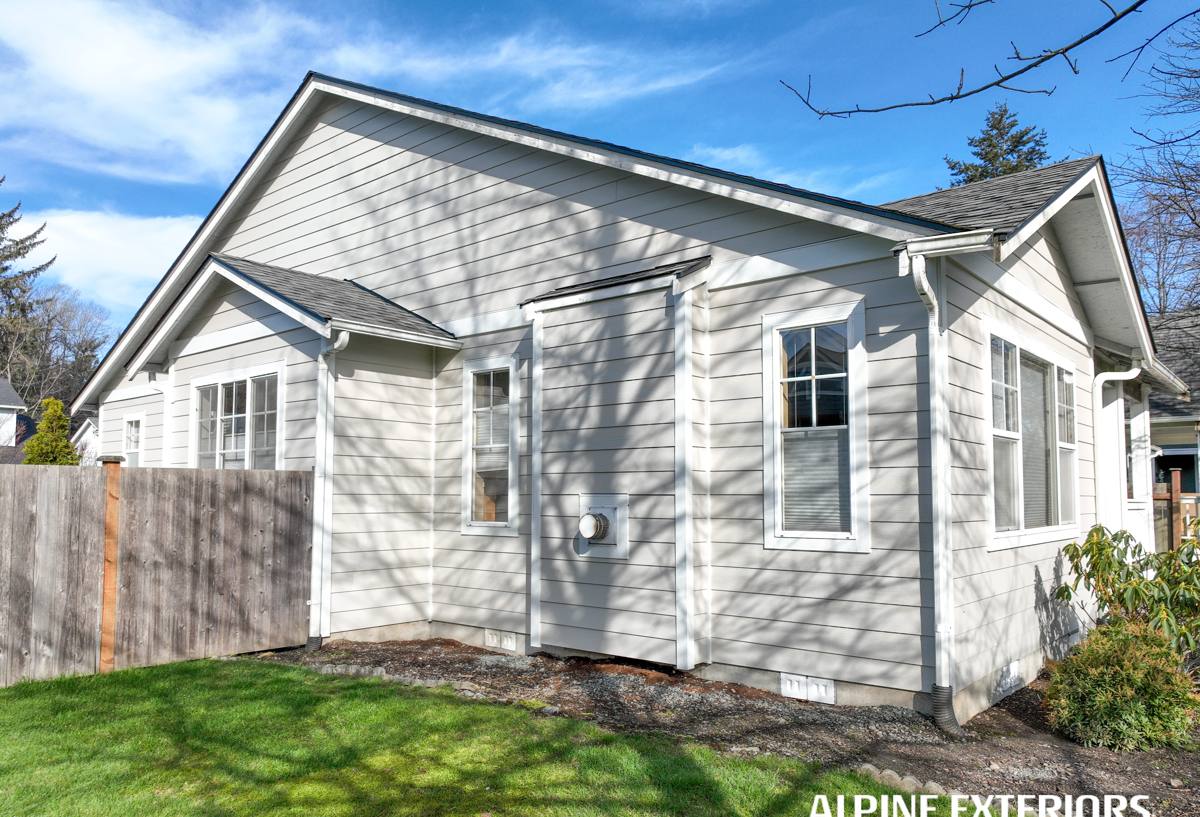
What Bellingham's Climate Actually Does to a Shingle Roof
Salt Air and Metal Fatigue
Proximity to Bellingham Bay means airborne salt reaches roofs on the west and northwest sides of homes more than people expect. Salt exposure doesn't degrade the asphalt shingles themselves nearly as fast as it corrodes exposed metal — nail heads, flashing, drip edge, and any vent stacks or fasteners that aren't rated for coastal exposure. A roof can look fine from the ground while its flashing is quietly rusting through underneath.
Driving Rain and Wind-Lifted Water
Whatcom County storms often come in sideways, not straight down. That matters because standard shingle installation assumes gravity does most of the work moving water off the roof. When rain is being pushed uphill under a shingle tab by wind, the difference between a roof that stays dry and one that leaks comes down to nailing pattern, shingle sealant strips actually bonding, and how carefully valleys and flashing details were done — not the shingle brand.
Moss Season
Bellingham's moss season isn't a minor cosmetic issue. Moss holds moisture against the shingle surface for months at a time, works its way under tab edges as it grows, and can lift shingles just enough for wind-driven rain to get underneath. North-facing slopes and roofs shaded by mature trees — common throughout York — are especially exposed. Left unmanaged, moss growth shortens the practical life of an asphalt shingle roof more than almost any other single factor in this region.
What a Correctly Installed Asphalt Shingle Roof Involves
A shingle roof is a system, not a single product. Skipping or shortcutting any layer shows up later as a leak, premature granule loss, or moss taking hold faster than it should. For York homes specifically, we pay close attention to:
- Underlayment: synthetic underlayment with proper lap and fastening, plus self-adhered ice-and-water membrane at eaves, valleys, and around penetrations where wind-driven rain is most likely to get in.
- Flashing: corrosion-resistant flashing at all walls, chimneys, and roof-to-wall transitions — a real consideration given salt exposure, not an afterthought.
- Nailing pattern: correct nail count and placement per manufacturer spec, which is what actually keeps shingles sealed down during wind events, far more than the shingle's advertised wind rating alone.
- Ventilation: balanced intake and exhaust airflow so moisture from inside the home doesn't condense against the roof deck — a common cause of early deck rot in damp Pacific Northwest climates.
- Valleys and transitions: woven, closed-cut, or open metal valleys installed to actually shed water rather than just look finished.
Signs a York Roof Needs a Closer Look
Most roof failures don't start as a dramatic leak — they start small and get ignored because they're easy to miss from the ground. Homeowners in York should watch for:
- Dark streaking or green-black growth on north-facing or shaded slopes
- Granules collecting in gutters or at downspout outlets
- Shingle tabs that look lifted, curled, or cupped at the edges
- Soft spots or sagging when walking the attic (if accessible) after a storm
- Rust staining below vent stacks, flashing, or exposed fasteners
- Daylight visible through the roof deck from inside the attic
- Interior ceiling stains, especially near chimneys or wall-roof intersections
Any one of these on its own isn't necessarily an emergency, but they're worth a real inspection rather than a guess. Catching flashing failure or moss damage early is usually a repair; ignoring it usually turns into a full replacement sooner than the shingles' rated lifespan would suggest.
Choosing a Shingle for This Climate
Not every asphalt shingle product is equally suited to a wet, moss-prone, salt-influenced environment. The table below reflects genuine trade-offs — none of these are bad products, but each comes with different maintenance expectations for a York roof specifically.
| Shingle Type | Typical Lifespan Here | Moss/Algae Resistance | Best Fit |
|---|---|---|---|
| Standard 3-tab | 15–20 years | Low unless treated | Budget-focused projects, secondary structures |
| Architectural (laminate) | 25–30 years | Moderate | Most York homes — better wind performance, thicker profile |
| Algae-resistant (copper/zinc granules) | 25–30 years | High | Shaded lots, north-facing slopes, homes near mature trees |
| Impact-rated architectural | 25–30+ years | Moderate to high | Homes wanting extra durability against wind-driven debris |
For most York properties, especially those with tree cover or shaded north slopes, an algae-resistant architectural shingle is the more sensible long-term choice even though it costs somewhat more upfront. The difference in moss and algae staining over a 10-15 year window is significant enough that it's worth discussing honestly rather than defaulting to the cheapest option.
How We Approach the Job
1. On-Site Assessment
Before quoting anything, we look at the actual roof: slope exposure, existing ventilation, current flashing condition, decking condition where accessible, and how much shade and moss pressure the roof is dealing with. A York roof under mature trees needs a different plan than one in an open, sun-exposed spot a few blocks away.
2. Tear-Off and Deck Inspection
We remove existing roofing down to the deck rather than layering over old shingles. This lets us catch soft or rotted decking — common on older Bellingham-area homes where ventilation was undersized to begin with — and replace it before it becomes a hidden problem under new shingles.
3. Underlayment and Flashing First
The waterproofing layer goes down correctly before a single shingle is installed: ice-and-water membrane at vulnerable points, synthetic underlayment across the field, and new flashing anywhere the old flashing shows corrosion or poor original installation.
4. Shingle Installation to Spec
Nailing pattern, exposure, and sealant strip activation are followed to manufacturer specification, not shortcuts. This is what determines whether the roof actually performs in wind-driven rain, not just how it looks the day it's finished.
5. Ventilation Check
We confirm intake and exhaust venting is balanced for the attic space, adding or correcting vents where the existing setup is inadequate — a frequent issue on older homes that predate current ventilation standards.
6. Final Walkthrough
We walk the finished roof and the site with you, confirm cleanup, and go over what maintenance (if any) the specific shingle and roof design will need going forward.
Moss and Algae Maintenance After Installation
Even a correctly installed, algae-resistant roof benefits from occasional attention in a climate like this. We recommend homeowners keep gutters clear of debris that traps moisture against the roof edge, avoid pressure-washing shingles (it strips granules and shortens shingle life), and consider zinc or copper strips near the ridge on heavily shaded slopes to slow moss regrowth between cleanings. None of this is about upselling ongoing service — it's genuinely the difference between a roof that looks clean at year 15 and one that's streaked and losing granules by year 8.
What Affects the Cost of a York Roofing Project
| Factor | Why It Matters Here |
|---|---|
| Roof pitch and access | Steeper slopes and limited access add labor time and safety measures |
| Deck condition | Hidden rot from past moisture or ventilation issues means replacing sections before shingling |
| Shingle grade chosen | Algae-resistant and architectural shingles cost more upfront but reduce maintenance burden |
| Flashing and penetrations | Chimneys, skylights, and multiple roof-wall transitions add detail work |
| Ventilation corrections | Older homes often need added intake or exhaust vents to meet current standards |
| Tear-off layers | Removing multiple old roofing layers takes more time than a single-layer tear-off |
We don't publish a flat price because these factors genuinely change the scope from one York home to the next — an honest quote requires seeing the roof.
Why It Matters to Hire a Crew That Already Works York
Roofing crews that haven't worked much in this specific stretch of Bellingham can miss details that only show up after a season or two: underestimating how much moss pressure a particular slope will get, using standard fasteners where corrosion-resistant ones matter, or skipping ice-and-water membrane in spots that don't seem obviously at risk until the next sideways storm. A crew familiar with York's exposure, tree cover, and typical home construction is making fewer assumptions and more decisions based on what actually happens to roofs in this neighborhood over time.
That local familiarity also means faster, more accurate quoting — we're not guessing at what Whatcom County weather does to a roof, we're accounting for what we've already seen it do.
If you're weighing a repair, a full replacement, or just want an honest read on how much life is left in your current roof, we're happy to take a look. Estimates are free, there's no pressure, and you'll get a straight answer either way — use the form below to get started.