 Bellingham
 New-Construction Windows in Cordata: A Different Job Than Replacement
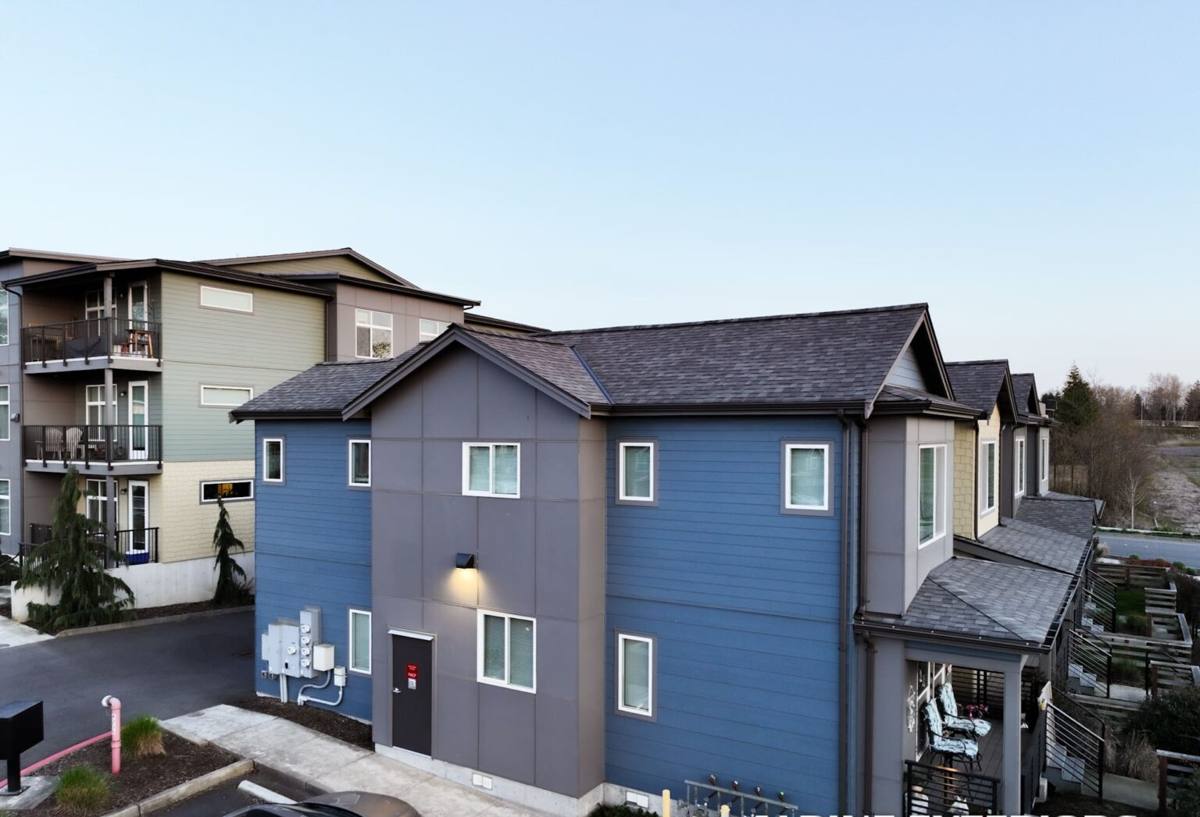
New-construction window installation is a different trade than replacing an old window in an existing wall. On a new build, the window goes in before the siding, before the finish trim, and often before the house is fully weathered in. That means the window installer isn't just setting a unit into a rough opening — they're building the first line of defense against water intrusion for the next several decades. In Cordata, where north Bellingham's growth has brought a steady mix of new single-family homes, townhomes, and infill construction, we work directly with builders and homeowners during the framing and dry-in stages to get this part right the first time.
Get a new-construction window install wrong and the mistake gets buried behind siding and drywall. It might not show up as a leak for five, ten, or fifteen years — by which point the damage is in the sheathing and framing, not just the window. Get it right, and the window becomes a non-issue for the life of the house.
What Whatcom County's Climate Demands From a New Window Install
Cordata sits inland from Bellingham Bay but still gets the full weather package this part of Whatcom County is known for: long stretches of driving rain off the Sound, salt-laden air moving in from the coast, and a moss and mildew season that can run most of the year on north-facing and shaded elevations. None of that is unusual for western Washington, but it does raise the bar for how a window opening needs to be built.
- Driving rain means wind-blown moisture hits window openings at an angle, not just straight down — flashing has to shed water outward and downward under pressure, not just gravity.
- Salt air accelerates corrosion on unprotected fasteners and lower-grade hardware, which is why fastener and flashing material choice matters more here than in a dry inland climate.
- Extended damp season means any water that does get behind a window opening has very little chance to dry out before the next rain arrives — so the assembly has to be nearly leak-proof from day one, not just "mostly dry."
This is the same reasoning behind good siding and moisture-management work generally in this region — windows are simply the highest-risk penetration in the wall.
The Anatomy of a Correct New-Construction Window Install
Sill Pan First
Every rough opening should get a sloped sill pan flashing before the window ever sits in place. This creates a dedicated drainage path so that any water that gets past the window — through wind-driven rain, a failed seal down the road, or condensation — has somewhere to go besides the framing below it. A flat or unflashed sill is one of the most common defects we find when we're brought in on a build that had problems elsewhere.
Water-Resistive Barrier Integration
The window has to be integrated into the house's water-resistive barrier (WRB) in the correct shingle-lap order — housewrap or building paper lapped over the sides and top flashing so water is always directed outward and down, never trapped behind a lap that runs the wrong way. This is a sequencing issue as much as a materials issue, and it's where rushed installs go wrong.
Flashing Tape and Head Flashing
Self-adhered flashing tape at the jambs and a proper head flashing or drip cap above the window are what keep driving rain from working its way up and under the siding. In a climate like ours, we treat this step as non-negotiable rather than optional upgrade.
Air Sealing and Insulation at the Rough Opening
Gaps between the window frame and the rough opening need to be sealed with low-expansion foam or backer rod and sealant — enough to stop air and moisture movement without bowing the window frame out of square, which can cause the sash to bind or the unit to leak at the corners.
Proper Fastening and Shimming
The window needs to be shimmed level, plumb, and square, then fastened per the manufacturer's instructions — not just nailed through the flange in whatever pattern is fastest. Corrosion-resistant fasteners matter here given the salt air moving through this part of Whatcom County.
Choosing Window Materials for a Cordata New Build
Frame material selection matters more on a coastal-influenced climate than it might in a drier region. There's no single "best" material — it depends on budget, maintenance appetite, and the look you're going for — but here's how the common options stack up for a new build in this area.
| Frame Material | Moisture / Salt-Air Performance | Maintenance | Typical Use Case |
|---|---|---|---|
| Vinyl | Won't corrode or rot; performs well in wet climates | Low — occasional cleaning | Budget-conscious builds, rentals, spec homes |
| Fiberglass | Excellent — dimensionally stable, resists moisture and salt exposure | Low | Higher-end new construction, long-term ownership |
| Aluminum-clad wood | Good if flashing detail is correct; wood core needs protection from any leak | Moderate | Architectural/custom homes wanting a wood interior look |
| Bare wood | Requires diligent maintenance in this climate to avoid rot at joints | High | Historic or period-specific builds where the look is a priority |
For most new construction in Cordata, we point homeowners and builders toward vinyl or fiberglass unless there's a specific architectural reason to go another direction — both hold up well against the moss, moisture, and salt exposure that's part of living this close to the Sound, without the maintenance burden that comes with a wood exterior.
Energy Code and Performance on New Builds
Washington's energy code sets minimum performance requirements for new-construction windows, including U-factor limits that are stricter than in many other states. On a new build, window selection isn't just an aesthetic or budget decision — it has to pencil into the whole-house energy compliance path the builder or designer is using. We coordinate window U-factor and solar heat gain coefficient (SHGC) selections with what the build actually needs to hit code, rather than leaving that to be sorted out after the windows are ordered.
Beyond code minimums, a well-installed, well-sealed window envelope also reduces condensation risk on interior glass and frames during Bellingham's cooler, damp months — a common complaint in homes where the window itself is fine but the installation wasn't airtight.
Our Process on a Cordata New-Construction Job
- Plan review and coordination — we review window schedules and rough opening sizes against the framing plans before anything ships, catching sizing conflicts early.
- Dry-in timing — we install once the structure is framed and ready, working alongside the builder's schedule so windows go in at the right point in the sequence, not before the WRB is ready or after siding crews are waiting on us.
- Sill pan, flashing, and WRB integration — done in the correct lapped order every time, regardless of schedule pressure.
- Set, shim, and fasten — each unit checked for level, plumb, square, and proper reveal before final fastening.
- Interior and exterior seal — air sealing at the rough opening and exterior sealant at trim and cladding transitions.
- Final walkthrough — operation check on every sash, hardware function, and a visual flashing check before we sign off.
Mistakes We See Most Often on New Builds
Some of these come from crews that rush to keep pace with a build schedule; others come from skipping steps that don't show up as problems until years later. On new construction specifically, we watch for:
- Missing or improperly sloped sill pan flashing
- WRB laps installed in the wrong order around the window opening
- Head flashing omitted or installed under the housewrap instead of over it
- Over-driven fasteners that bow the frame and cause sash binding
- Foam sealant used in place of proper flashing rather than alongside it
- Window U-factor or SHGC not actually matching what the energy code path assumed
- Non-corrosion-resistant fasteners used near coastal-influenced, salt-exposed elevations
Why a Crew That Already Works Cordata Makes a Difference
New-construction window work is sequencing-dependent — it has to happen at the right moment in a build, coordinated with framers, siding crews, and inspectors. A crew that regularly works in and around Bellingham and Whatcom County already understands the moisture demands this climate puts on a window opening, has a working relationship with local building departments, and isn't learning the region's weather patterns on your project. That familiarity shows up in fewer callbacks and fewer surprises during inspection.
It also matters for warranty and service. If a question comes up two or three years after move-in, you want a crew that's still local, still reachable, and still around — not one that was in the area for a single job and moved on.
Ready to Talk About Your Cordata Build?
Whether you're a builder coordinating a window schedule for a new home in Cordata or a homeowner overseeing your own construction project, we're happy to walk the plans, talk through material and flashing decisions, and give you a straightforward estimate. There's no pressure and no obligation — just use the form below to get started.