 Bellingham
 New-Construction Windows for Columbia Homes, Done Right the First Time
Columbia sits close enough to Bellingham Bay that salt air, wind-driven rain, and a long stretch of gray, moss-friendly months are just part of living here. When a home is being built from the ground up, the windows going in aren't just a design choice — they're one of the first real tests of how well the building envelope will hold up over the next few decades. Get the window package and its integration with the wall assembly right during new construction, and you avoid a lot of expensive headaches later. Get it wrong, and problems can hide behind trim and siding for years before they show up as stains, soft framing, or fogged glass.
We work new-construction window jobs in and around Columbia regularly, coordinating with builders, general contractors, and homeowners who are building or having a home built. This page covers what that work actually involves, what your windows need to handle our local climate, and how our process fits into a new-build timeline.
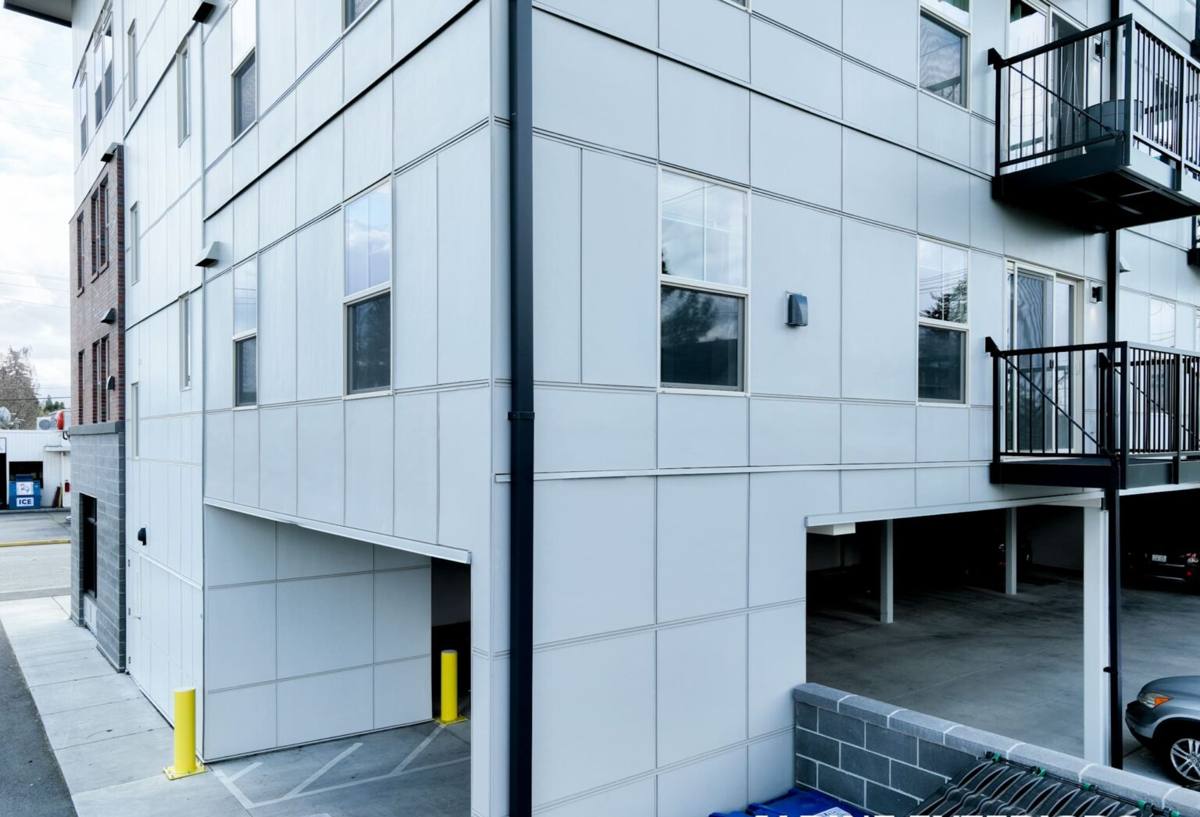
Why Whatcom County's Climate Drives Window Decisions
Bellingham's marine climate isn't extreme in temperature, but it's persistent in moisture. That combination shapes almost every decision we make on a new-construction window job.
Salt Air and Corrosion
Homes closer to the water deal with airborne salt that accelerates corrosion on unprotected metal — hardware, fasteners, and some window frame components included. It's a slow process, but over ten or fifteen years it can degrade cheaper hardware faster than it would inland.
Driving Rain
Storms here frequently come with sustained wind, which pushes rain sideways into wall assemblies rather than letting it just run down the siding. That means flashing details and window-to-wall integration matter more here than they would in a drier, calmer climate. A window that's watertight in a lab test can still leak in the field if the flashing sequence around it is done out of order.
Moss and Prolonged Dampness
Our extended wet season keeps exterior surfaces damp for long stretches, which is exactly the environment moss and mildew like. Window sills, trim, and the transition between window and siding are common spots where organic growth takes hold if drainage isn't designed to shed water quickly.
What a Correct New-Construction Window Job Involves
New-construction installation is different from a replacement window job. In new construction, the window is set into an open rough opening before siding and interior finishes go on, which gives us access to do the water management work correctly — but it also means there's no room for shortcuts, because everything gets covered up.
- Verifying rough openings are square, level, and correctly sized before any window arrives on site
- Installing a sloped sill pan so any water that gets past the window has somewhere to go besides the framing
- Sequencing weather-resistive barrier and flashing tape in the correct shingle-lap order — bottom to top, so water always flows over the layer below it, never behind it
- Setting the window plumb, level, and square, then securing it per the manufacturer's fastening schedule
- Sealing and insulating the gap between the window frame and rough opening without overpacking it, which can bow the frame
- Integrating head flashing so it directs water out and away from the window, not down behind the siding
- Final inspection of reveals, operation, and seals before the opening is closed up with siding and trim
Every one of those steps matters more in our climate than it would somewhere dry. Skipping the sill pan or getting the flashing lap order wrong doesn't usually cause a problem the first year. It shows up three, five, or ten winters later, after enough driving rain events have found the gap.
Choosing Window Materials for a Columbia New Build
There's no single "best" window material for every project — it depends on budget, the home's design, and how much maintenance you want to take on. Here's how the common options stack up for our climate specifically.
| Frame Material | How It Handles Our Climate | Maintenance | Typical Fit |
|---|---|---|---|
| Vinyl | Good moisture resistance, won't corrode in salt air, some flexing with temperature swings | Low | Most new-construction budgets |
| Fiberglass | Very stable in wet/dry cycling, holds paint well, strong seal performance | Low to moderate | Higher-end builds, larger openings |
| Wood-clad | Attractive interior wood with exterior cladding protecting against rain, but cladding seams need attention | Moderate | Traditional or high-design homes |
| Aluminum | Strong but prone to corrosion near the water without proper coatings and thermal breaks | Moderate to high | Commercial or specific architectural styles |
For most residential new construction in Columbia, we steer homeowners toward vinyl or fiberglass because both resist the moisture cycling and salt exposure well without demanding much upkeep. Wood-clad windows can still be the right call for a specific architectural look — we just make sure clients understand the cladding seams and sills need periodic inspection.
Glazing and Weatherstripping
Double-pane, low-E glazing is standard on new construction here and does a solid job managing both energy loss and condensation risk in our humid winters. Weatherstripping quality varies more than people expect between window lines — it's one of the first components to wear out and let air and moisture infiltrate, so we pay attention to it when helping clients pick a product, not just the glass package.
How Our New-Construction Window Process Works
1. Plan Review and Product Selection
We start by reviewing the build plans or working with your builder to understand rough opening sizes, elevations, and exposure — a window on the weather side of the house facing the bay gets treated differently than one tucked under a covered porch.
2. Scheduling With the Build Timeline
Window installation has to land at the right point in the framing schedule — after the weather-resistive barrier is on, before siding starts. We coordinate directly with builders and GCs so this step doesn't become the bottleneck on the job.
3. Installation
Our crew follows the sill-pan-and-flashing sequence described above on every opening, not just the ones facing the weather. Consistency matters because water doesn't always come from the direction you'd expect once wind gets involved.
4. Inspection Before Closing Up
Before siding covers the openings, we do a final check of flashing, sealant lines, and operation. This is the last point where a mistake is cheap to fix — once siding goes on, correcting a flashing error means removing finished work.
5. Walkthrough
Once the exterior is finished, we walk the openings with you or your builder, confirm operation on every window, and note anything for the punch list.
Working With Builders and General Contractors
A lot of our new-construction window work comes through builders who need a crew that shows up on schedule and doesn't require hand-holding on sequencing. We're comfortable working off architectural drawings, adjusting for field conditions, and communicating directly with a site superintendent rather than routing everything through the homeowner. If you're a builder in the Columbia area looking for a window subcontractor who understands local exposure conditions, that coordination experience is exactly what we bring to the job.
Common Mistakes We See in New-Construction Window Work
Most window failures we get called out to diagnose in older homes trace back to a handful of avoidable mistakes during original installation:
- Flashing installed in the wrong order, so water gets directed behind the barrier instead of over it
- No sill pan, leaving bare framing exposed to any water that gets past the window
- Rough openings that were slightly out of square, forcing the window frame and stressing seals over time
- Fasteners or hardware not rated for coastal exposure, corroding faster than the rest of the window
- Sealant used as the primary water barrier instead of proper flashing — sealant fails; flashing is the backup that shouldn't have to work alone
Avoiding these isn't complicated, but it does require a crew that treats window installation as a water-management task, not just a "set it and caulk it" job.
Why Local Experience in Columbia Matters
Whatcom County's exposure conditions vary block to block depending on elevation, tree cover, and how directly a home faces the water. A crew that installs windows across different regions might apply the same generic approach everywhere. Working Columbia and the surrounding Bellingham area regularly means we've seen how these specific conditions — salt air, sideways rain, and a wet season that stretches for months — actually play out on real builds, and we adjust flashing and product choices accordingly rather than treating every opening the same way.
Get a Free Estimate
If you're planning new construction in Columbia and want a window package and installation approach built for this climate from the start, we're glad to take a look at your plans and talk through options. Use the form below to request a free, no-pressure estimate.