 Bellingham
 Custom Windows in Cordata: Built for the Weather We Actually Get
Cordata sits close enough to Bellingham Bay and the Puget Sound shoreline that salt-laden air is a real factor in how exterior materials age here, not just a talking point. Add Whatcom County's long stretch of driving rain from fall through spring, plus a moss season that seems to start earlier every year, and you have a climate that is genuinely hard on windows. Frames swell and stick, seals fail years before they should, and glass fogs between panes long before a homeowner expects it to. Custom window work in this neighborhood isn't about upgrading to something fancier than what's out there generally — it's about specifying and installing windows that are matched to this specific set of conditions, on this specific style of home.
"Custom" in our shop means the window is built to your opening, your home's exposure, and your household's actual needs, rather than pulled off a shelf in a stock size and shimmed to fit. That distinction matters more in a wet, salt-exposed climate than it does somewhere dry, because every gap, every mismatched material, and every shortcut in the flashing detail becomes a moisture problem eventually.
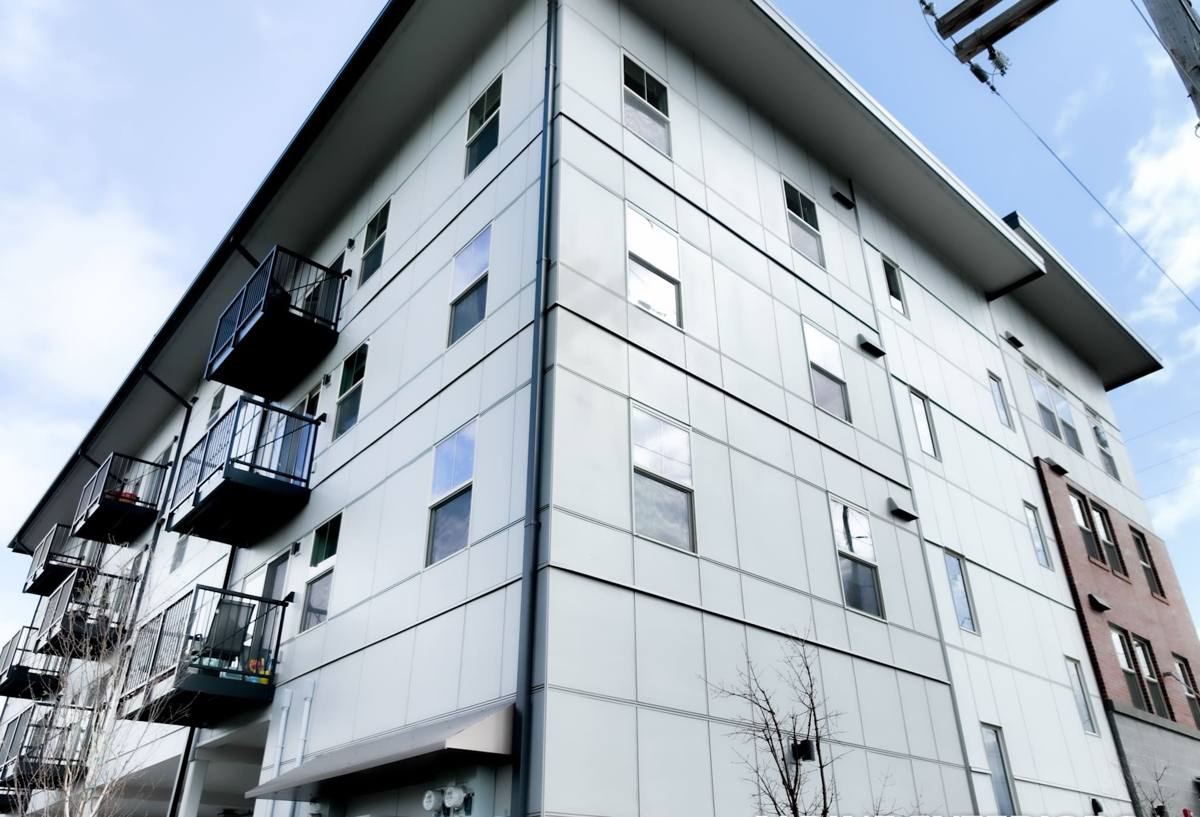
What Cordata Homes Specifically Need From Their Windows
Every neighborhood in Bellingham deals with Pacific Northwest weather, but a few things are worth calling out for homes in and around Cordata:
- Wind-driven rain resistance: Storms off the Sound don't just drop rain straight down — they push it sideways into wall assemblies and window openings, which is where poor flashing and weak weatherstripping get exposed.
- Salt-air corrosion resistance: Metal hardware, screws, and some aluminum components degrade faster with airborne salt in the mix. Material and hardware choice matters more here than it would inland.
- Moss and organic growth control: Northwest-facing sills and shaded window wells hold moisture longer, which feeds moss and algae growth on sills, trim, and glazing beads if the design doesn't shed water well.
- Condensation management: Cool, damp winters mean interior humidity has to go somewhere. Poorly performing glass or a bad seal shows up as fogging, dripping sills, and eventually rot in the surrounding wood trim.
- Thermal performance without overbuilding: Whatcom County isn't dealing with extreme heat, so the priority is a tight, well-insulated assembly for heating season rather than heavy solar control glass.
Signs Your Current Windows Are Losing That Battle
Homeowners in Cordata usually call us for one of a handful of recurring issues. If you're seeing any of the following, it's worth having someone look at the window and the opening around it, not just the glass:
- Fogging or a visible haze between panes of double- or triple-glazed glass — the seal has failed and the gas fill is gone.
- Soft or discolored wood trim at the sill or lower corners, often with moss or dark staining.
- Windows that stick, won't latch fully, or have visibly warped frames.
- A draft you can feel with your hand near the frame on a windy day.
- Visible daylight or a gap where the frame meets the siding or trim.
- Hardware — cranks, locks, hinges — that has corroded, seized, or turned chalky.
- A noticeable jump in heating costs without any other explanation.
None of these are emergencies on their own, but they compound. A failed seal today is wet framing in two years if it's ignored.
What Goes Into a Correctly Specified Custom Window
Measuring and matching the opening
Every opening in an older Cordata home has settled a little differently — most homes in this area were not built perfectly square, and decades of moisture cycling shift things further. We measure each opening individually rather than assuming uniformity across a house, because a window that's slightly out of square will never seal correctly no matter how good the unit itself is.
Choosing the right frame material
Frame material is the single biggest decision in a custom order, and it's where climate should drive the choice more than looks alone.
| Frame Material | How It Handles This Climate | Maintenance |
|---|---|---|
| Vinyl | Good moisture and salt resistance, no repainting, solid insulation value | Low — occasional cleaning |
| Fiberglass | Excellent dimensional stability in temperature and moisture swings, strong long-term performance | Low |
| Wood-clad | Attractive interior wood look with a protective exterior shell; cladding quality and installation detail matter a lot in wet climates | Moderate — watch cladding seams and interior finish |
| Aluminum | Strong and slim sightlines, but prone to condensation and corrosion issues near salt air unless thermally broken and properly finished | Moderate to high near the coast |
We'll walk through the trade-offs for your specific home and budget rather than pushing one material across the board — the right answer depends on sun exposure, how exposed the wall is to weather, and what you're trying to match architecturally.
Glass package
Double-pane, low-E, argon-filled glass is the standard baseline we recommend for this area. Triple-pane can make sense on north- or west-facing walls that take the brunt of storms, or for a home where street noise or heating costs are a bigger concern. We'll tell you honestly when triple-pane is worth the added cost and when it isn't.
How Our Process Works
- On-site walkthrough: We look at every window you're considering replacing, note the condition of the surrounding trim and sheathing, and talk through what's actually failing versus what's cosmetic.
- Custom measurement: Each opening is measured individually — width, height, and squareness — so the ordered unit fits without excessive shimming or filler.
- Material and style selection: We go over frame material, glass package, and hardware finish options based on your home's exposure and your priorities.
- Removal and inspection: When we pull the old window, we inspect the framing and sill underneath for hidden rot or moisture damage before anything new goes in. This step catches problems a lot of quick installs skip past.
- Installation and flashing: The new window is set, shimmed, and flashed correctly for wind-driven rain — this is the step that determines whether the window performs for twenty years or five.
- Sealing and finish work: Interior and exterior trim, caulking, and insulation are finished to a clean, weathertight standard.
- Walkthrough: We test operation, check seals, and go over care with you before we consider the job done.
Flashing and Moisture Management: The Part That Actually Matters Most
In a dry climate, a mediocre installation can survive for years before anyone notices. In Whatcom County, it can't. Wind-driven rain finds any gap in the flashing, the housewrap integration, or the sealant line, and once water gets behind the window it travels — often showing up as damage somewhere other than the window itself. Correct flashing means water is directed out and away from the wall assembly at every layer: sill pan first, then side flashing integrated with the housewrap, then head flashing lapped over the top. Sealant is a backup to good flashing, not a substitute for it. This is also where a lot of budget installs cut corners, because it's invisible once the trim goes back on — and it's exactly why we inspect the opening before installing rather than just swapping the unit and moving on.
Why Hiring a Crew That Already Works in Cordata Matters
A contractor who works this neighborhood regularly already knows which wall orientations take the worst weather, what the typical framing and siding conditions look like in homes of this area's common vintage, and how moss and moisture tend to show up on local homes. That's not something you get from a national installer working off a general spec sheet. It also means faster response if something needs a follow-up look, and a crew that stands behind the work because they're not passing through — this is the area we work in day to day.
What Affects Cost
Custom window pricing varies by opening, and we'll give you a real number after seeing the job, but these are the main factors that move the price up or down:
| Factor | Effect on Cost |
|---|---|
| Frame material (vinyl vs. fiberglass vs. wood-clad) | Vinyl is generally the most affordable; fiberglass and wood-clad cost more upfront |
| Glass package (double vs. triple pane) | Triple-pane adds cost, worth it on exposed or noisy walls |
| Opening condition | Hidden rot or framing repair found during removal adds labor |
| Number of windows and access | Whole-house projects reduce per-window cost versus one-off replacements |
| Custom shapes or sizing | Non-standard openings, arches, or oversized units cost more than standard rectangles |
| Trim and finish work | Matching existing interior trim or upgrading exterior trim adds to the scope |
Broadly, custom window replacement on a per-window basis runs from a modest cost for a straightforward vinyl unit up to considerably more for larger fiberglass or wood-clad units with custom glass packages. We'll break down where your project falls once we've seen the openings.
Living With Moss Season: Maintenance That Protects the Investment
Even a well-installed window benefits from some seasonal attention in this climate:
- Clear debris and moss from sills and window wells before it holds moisture against the frame.
- Check caulk lines annually, especially after a hard winter, and touch up any cracking before it lets water in.
- Keep gutters and downspouts clear so roof runoff isn't sheeting down over window openings.
- Operate hardware a few times through the year so cranks and locks don't seize from disuse in damp conditions.
- Wipe down tracks and weatherstripping periodically — trapped grit accelerates wear on seals.
None of this is a large time commitment, but skipping it is how a good window installation turns into a maintenance headache a decade earlier than it should.
Ready to Talk Through Your Windows?
If your windows are fogging, sticking, drafting, or just showing their age, we're happy to come take a look and give you an honest read on what's actually needed — repair, targeted replacement, or a fuller custom window project. There's a free, no-pressure estimate form below to get that conversation started.