 Bellingham
 Board & Batten Siding, Done Right for Ferndale
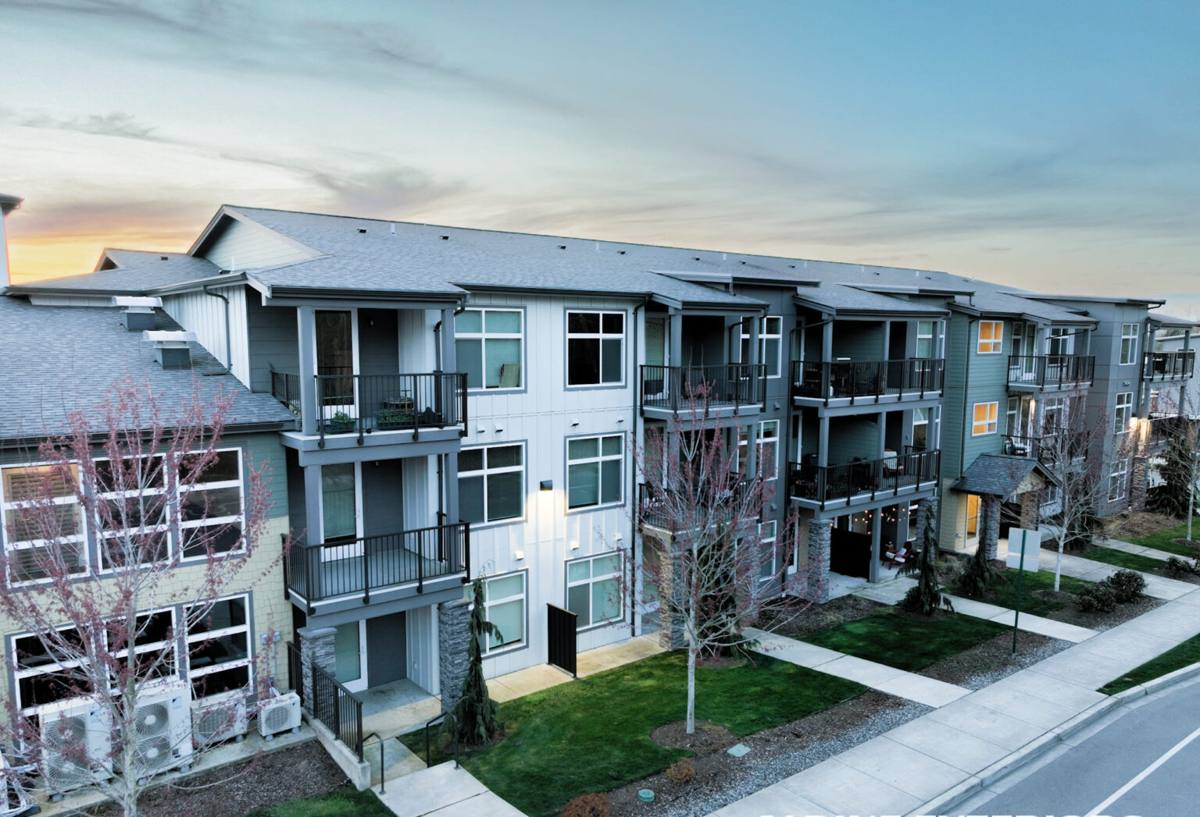
Board and batten is one of the most requested looks in Whatcom County right now, and for good reason. The vertical lines read as clean and modern on a new build, but they also sit comfortably on a farmhouse-style remodel or a simple ranch that needs a facelift. In Ferndale, where lots range from open, wind-exposed parcels near the water to shaded, tree-covered properties further inland, board and batten gives homeowners a way to update a home's appearance without fighting the site conditions the way some other siding profiles do.
But the look is only half the story. Board and batten has more seams, more fastening points, and more opportunities for water to find its way behind the cladding than a standard lap siding job. In a climate like ours, that detail work is what separates a board and batten job that looks great for two years from one that looks great for twenty-five.
Why Ferndale's Climate Is Tougher on Siding Than It Looks
Ferndale sits close enough to the water that salt-laden air is a real factor for homes on the western and northern sides of town, and it's part of a broader Whatcom County marine climate that batters exteriors in three distinct ways:
- Salt air: Airborne salt accelerates corrosion on fasteners, flashing, and any metal trim that isn't rated for coastal exposure. It also breaks down cheaper paint finishes faster than an inland climate would.
- Driving rain: Storms coming off the Strait push rain sideways, not straight down. That matters enormously for board and batten, because wind-driven rain finds vertical seams and batten joints that a plain lap profile doesn't have.
- A long moss and algae season: Cool, damp, and often shaded conditions for much of the year mean moss, mildew, and green algae staining get a long runway on any siding that holds moisture against its surface, especially on north-facing walls and lots with mature tree cover.
None of that means board and batten is a bad choice here. It means the material and the installation both have to be matched to the conditions, not just picked for the look.
What a Correct Board & Batten Installation Actually Involves
Board and batten is a two-layer system: wide vertical panels or boards, with narrower battens covering the seams between them. Every one of those seams is a potential water entry point if it's not built correctly. This is where a lot of the difference between a good job and a problem job shows up.
A Drainage Gap Behind the Siding
Fiber cement siding should never be installed flat against the house wrap with no air space. A rainscreen gap — typically created with vertical furring strips — lets any moisture that does get past the outer layer drain and dry out instead of sitting against the sheathing. On a rain-heavy, salt-air site like Ferndale, this is not an optional upgrade; it's the difference between siding that dries out between storms and siding that stays damp long enough to feed rot and moss growth.
Fastener Selection and Spacing
Battens and panels both need to be fastened per the manufacturer's engineering specs — correct fastener type, length, and spacing along the framing. In a salt-air environment, using the wrong fastener grade shows up as rust streaking and eventual fastener failure years before it should. We fasten to code and to the product manufacturer's installation instructions, not to a shortcut schedule.
Joint and Penetration Flashing
Every window, door, hose bib, light fixture, and roof-to-wall intersection is a place where water wants to get behind the siding. Correct flashing at these penetrations — plus proper flashing and caulking at horizontal joints where panels stack — matters more on board and batten than on lap siding because there are simply more vertical seams for wind-driven rain to test.
Bottom Clearance and Ground Contact
Siding that touches soil, mulch, or hardscape wicks moisture continuously and won't dry out. Maintaining proper clearance at the base of the wall is a basic step that gets skipped more often than it should.
Material Choice: Why We Only Install James Hardie for This Look
Board and batten shows up in a few different materials, and homeowners researching the look will run into all of them. Here's how they actually compare for a Whatcom County exterior:
| Material | How It Handles Driving Rain | How It Handles Moss/Algae | Long-Term Maintenance |
|---|---|---|---|
| James Hardie fiber cement (Panel + Batten or Artisan) | Engineered, non-combustible, dimensionally stable — holds its shape and seams when installed with proper drainage | ColorPlus factory finish resists fading and staining better than field-applied paint | Repaint not required for years with ColorPlus; occasional wash |
| Vinyl board and batten | Panels can warp or bow with temperature swings, opening seams over time | Textured/low-gloss vinyl can hold algae in shaded, damp spots | Doesn't rot, but cracks and fades; hard to patch invisibly |
| Primed spruce or cedar board and batten | Natural wood movement stresses seams and battens; end grain absorbs water fast | Organic material — moss and mildew take hold readily in our climate without diligent upkeep | Regular repainting/staining and caulk maintenance required |
| LP SmartSide-style engineered wood | Better than raw wood but still an engineered wood product with edge-swell risk if seams open | Moderate — depends heavily on finish maintenance | Repainting on a cycle; edge sealing is critical |
We install James Hardie exclusively because, for a siding profile that lives or dies on seam integrity, we want a material that isn't fighting moisture absorption and dimensional movement on top of everything else. Hardie's fiber cement composition doesn't swell, rot, or feed the kind of organic growth that thrives in a wet, shaded Whatcom County yard. Combined with a ColorPlus factory finish, it holds its color and its seams through the kind of weather Ferndale sees every winter.
Our Process for Ferndale Board & Batten Projects
- On-site assessment: We look at wall orientation, tree cover, drainage patterns, and existing moisture damage before we talk product or price.
- Tear-off and sheathing check: Old siding comes off and we inspect the sheathing underneath for rot or prior water intrusion — this is often where hidden problems surface.
- Weather-resistive barrier and rainscreen: House wrap goes on correctly lapped, then furring strips create the drainage gap.
- Flashing at every penetration: Windows, doors, and fixtures get flashed before a single panel goes up.
- Panel and batten installation: Hardie panels and battens go up to manufacturer spec, with correct fastener type and spacing for our coastal exposure.
- Final detail and walk-through: Caulking, trim, and touch-up, followed by a walk-through so you understand what was done and why.
Living With Board & Batten in a Salt-Air, Moss-Prone Climate
Even correctly installed siding benefits from basic upkeep. A little attention keeps a board and batten exterior looking sharp for the long haul:
- Rinse the exterior once or twice a year, focusing on shaded, north-facing walls where moss and algae take hold first
- Keep gutters clear so overflow doesn't run down the wall and saturate battens near roof lines
- Trim back trees and shrubs to improve airflow and sun exposure along siding
- Check caulking at window and door trim every couple of years and touch up as needed
- Watch for any staining or streaking near fasteners or flashing, which can signal a spot worth a closer look
Why a Crew That Already Works Ferndale Matters
Board and batten installed by a crew unfamiliar with local conditions tends to follow a generic installation pattern — one built for a drier, calmer climate. A crew that regularly works Whatcom County homes already accounts for wind-driven rain angles, knows which fastener grades hold up against salt air, and treats the rainscreen gap as a requirement rather than an afterthought. That local familiarity shows up in fewer callbacks and a siding job that performs the way it's supposed to through its first real winter storm season, not just on a clear install day.
What Board & Batten Costs to Do Correctly
Board and batten typically runs somewhat higher than standard lap siding because of the extra material (battens on top of panels) and the additional labor for seam and joint detailing. The real cost factors on a Ferndale project usually come down to wall square footage, how much trim and window detail work is involved, whether old siding needs to be removed and the sheathing repaired, and how much of the exterior requires new flashing at penetrations. We walk through all of that in a written estimate before any work starts, so there are no surprises once the crew shows up.
If you're considering board and batten for a Ferndale home, we're happy to walk the property with you and put together a free, no-pressure estimate — no obligation, just a straight look at what your home needs.