 Bellingham
 Windows Built for Puget's Weather, Not Just Any Weather
Homes in the Puget area of Bellingham sit close enough to the water that their windows work harder than windows almost anywhere else in Whatcom County. Salt-laden air off the Sound, wind-driven rain that comes in sideways more often than straight down, and a moss season that can stretch from October well into spring all put real, cumulative stress on window frames, seals, and the wall assembly around them. A window that's fine in a dry inland climate can fail years early here if it wasn't chosen and installed with this specific exposure in mind.
This page is about window replacement for Puget homes specifically — what the local climate does to windows over time, what a properly done replacement actually involves, and why it matters that the crew doing the work already understands this microclimate rather than treating it like any other job.
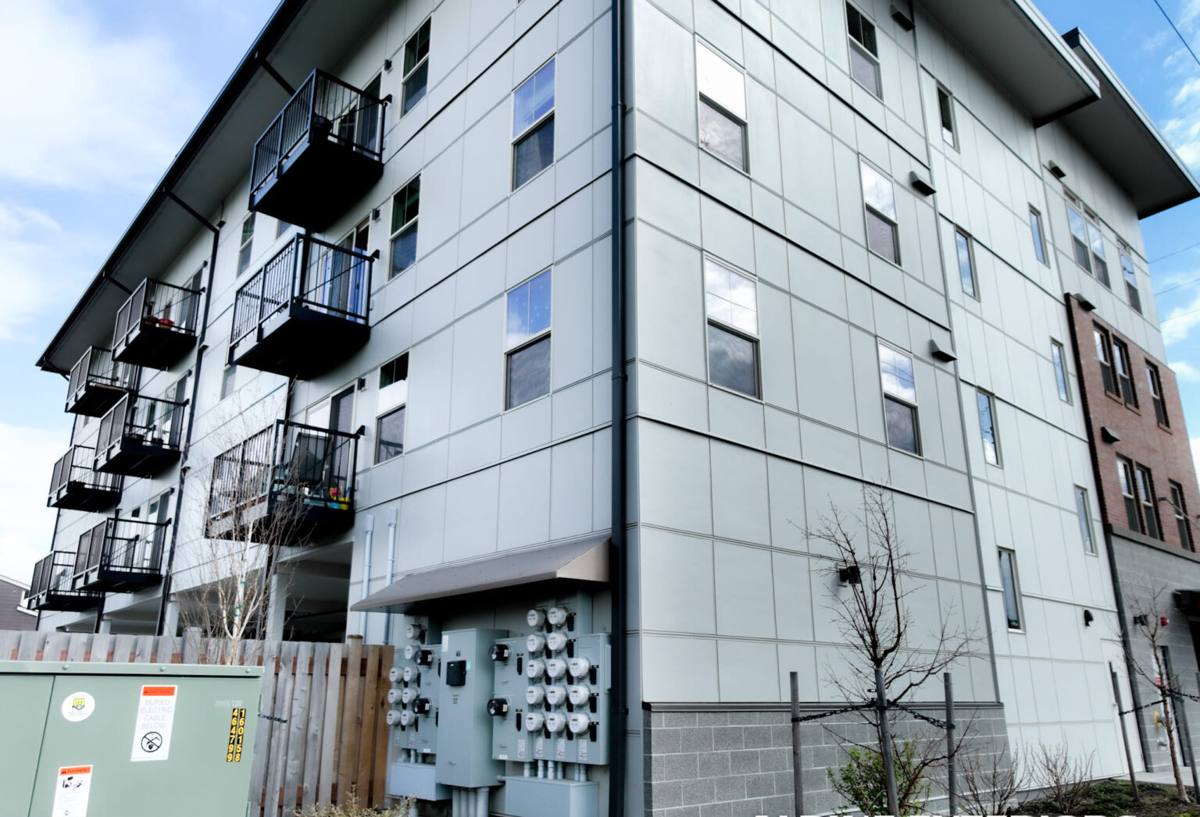
What Salt Air, Driving Rain, and Moss Season Actually Do to Windows
Salt Air and Hardware Corrosion
Airborne salt from the Sound settles on everything, including window hardware, screen frames, and metal flashing. Over years, it accelerates corrosion on lower-quality latches, balances, and cladding fasteners. You'll often see this first as stiff or sticking locks, pitted hinges, or streaking at the bottom corners of a frame before the glass itself shows any problem.
Wind-Driven Rain and Water Intrusion
Puget's exposure means rain frequently hits windows at an angle instead of falling straight down. That's a different load than most window flashing details are designed to shed easily. Gaps in old caulking, worn weatherstripping, or flashing that was never properly lapped with the house wrap will let water track sideways and downward into the wall cavity — often for a long time before it shows up as a stain or soft spot on interior trim.
Moss, Mildew, and Constant Damp
A long moss season means extended stretches where wood trim, sills, and any exposed fasteners stay damp instead of drying out between rains. Untreated or poorly sealed wood components in that environment are prone to rot starting from the inside of the joint, which is exactly why sill and trim detailing matters as much as the window unit itself.
Signs Your Puget Home's Windows Are Ready for Replacement
- Visible fog or moisture between panes — the seal has failed and the insulating gas is gone
- Soft, spongy, or discolored wood at the sill or bottom corners of the frame
- Windows that are noticeably harder to open, close, or lock than they used to be
- Cold drafts near the frame even when the window is fully latched
- Paint or caulk that keeps failing in the same spot no matter how often it's redone
- Noticeable outside noise increase, often a sign the seal or glass package has degraded
- Visible corrosion or chalky white residue (salt buildup) on frames or hardware
- A heating bill that's crept up with no other explanation
Any one of these on its own might just call for a repair or a re-caulk. Several at once, especially on a home's water-facing side, usually means the window and its surrounding seal have reached the end of their useful life.
What a Correct Window Replacement Job Involves
Full Removal and Opening Inspection
A proper replacement isn't just swapping the sash and leaving the old frame in place — that "pocket" or insert approach has its place, but on a home exposed to this much wind and rain, we want eyes on the rough opening itself. That means checking the framing, sheathing, and any existing flashing for hidden rot or water staining before a new unit ever goes in. Finding and fixing a problem here is far cheaper than finding it five years from now.
Flashing and Weather Barrier Integration
This is the detail that matters most in a driving-rain climate. The window's flashing has to integrate correctly with the house's weather-resistive barrier in the right shingled order — head flashing over the barrier, side and sill flashing under it — so water is directed out and down, never trapped behind the siding. Skipping or rushing this step is the single most common cause of hidden window-related rot.
Sill Pan and Drainage
A sloped sill pan under the window gives any water that does get past the sash somewhere to go besides straight into your wall. On a coastal, high-rain property, we treat this as standard practice rather than an upgrade.
Insulation, Air Sealing, and Trim
The gap between the new window frame and the rough opening gets sealed with proper low-expansion foam or backer rod and sealant — not just stuffed with fiberglass — to stop both air infiltration and moisture migration. Exterior trim and caulk joints are finished with materials rated to hold up to sun, salt air, and constant damp cycling, not just whatever looks good on install day.
Choosing Frame Material and Glass for This Climate
There's no single "best" window for every home, but some materials handle salt air and constant moisture more predictably than others. We'll talk through the honest trade-offs for your specific home rather than pushing one option.
| Frame Material | How It Handles Salt Air & Rain | Maintenance |
|---|---|---|
| Vinyl | Won't rust or corrode; performs well in coastal exposure at a moderate price | Low — occasional cleaning |
| Fiberglass | Very stable in temperature and moisture swings; strong long-term option for this climate | Low |
| Wood-clad | Good look and performance if the cladding and joints are properly sealed; more sensitive to installation quality | Moderate — watch seams and touch up as needed |
| Bare wood | Attractive but requires diligent upkeep in constant damp conditions; we're honest with clients about this trade-off | High — regular repainting/sealing |
For glass, most Puget-area homes do best with a dual-pane, low-E coated unit with argon fill — it cuts heat loss, reduces condensation risk on cold, damp mornings, and helps with the road and neighborhood noise that can carry more on wet, still days. Where code requires it (near grade, in bathrooms, or near doors) we'll spec tempered or safety glass as a matter of course, not an upsell.
Our Window Replacement Process
- On-site estimate — we measure every opening, check for existing moisture or framing issues, and talk through material and glass options for your home's exposure
- Written quote — clear pricing with no vague allowances, so you know what's included before you commit
- Ordering and lead time — we'll give you a realistic timeline; custom sizes take longer than stock sizes
- Install day prep — work area protected, one opening worked at a time so your home isn't exposed to the weather any longer than necessary
- Removal, flashing, and install — old unit out, opening inspected and corrected if needed, new unit set, flashed, and sealed to the standards above
- Interior and exterior finish — trim, caulk, and touch-up completed to match your home
- Final walkthrough — every window opened, closed, and checked with you before we call it done
What Affects the Cost of Window Replacement in Puget
Every home is different, so we won't quote a number without seeing the job — but these are the main factors that move price up or down.
| Factor | Why It Matters |
|---|---|
| Number of windows | Per-unit cost drops somewhat with larger projects; material and labor scale together |
| Frame material | Vinyl is typically the most budget-friendly; fiberglass and wood-clad cost more upfront |
| Opening condition | Hidden rot or framing repair found during removal adds cost but prevents a bigger problem later |
| Window size and type | Large, custom, or specialty shapes (bay, picture, casement) cost more than standard double-hung sizes |
| Glass package | Upgraded low-E coatings, tempered glass, or extra panes add to material cost |
| Trim and siding work | Matching existing exterior trim or siding around the new opening can add labor |
| Access and story height | Second-story or hard-to-access windows take more time and equipment |
Why Hiring a Crew That Already Works in Puget Matters
Window replacement done by the book works the same way on paper everywhere. In practice, a crew that regularly works homes near Bellingham Bay and the broader Puget Sound shoreline has already seen how salt exposure shows up on hardware, which flashing details actually hold up to sideways rain year after year, and how moss and damp affect wood trim differently than they would forty miles inland. That's not a marketing point — it changes small, practical decisions on the job: which sealant we trust in this climate, how much attention a sill pan gets, how we sequence work around Whatcom County's wetter months. Hiring locally also means someone can get back to your home quickly if a question comes up after the install, without the delay of a crew based somewhere else.
Maintaining Your New Windows Through Bellingham's Wet Season
- Rinse salt residue off frames and glass a few times a year, especially after windy weather off the water
- Check and clear weep holes on vinyl and fiberglass frames so water can drain properly
- Inspect exterior caulk lines each fall before the rainy season sets in, and touch up any cracked or shrunk sealant
- Wipe down tracks and hardware periodically to prevent salt and grit buildup from affecting operation
- Keep gutters and downspouts clear so roof runoff isn't sheeting down across window heads
- Watch for any moss or dark staining developing on sills or trim, and address it early rather than letting it sit through winter
A well-installed window in this climate should need very little beyond this kind of basic upkeep — if you're fighting the same problem every season, that's usually a sign of an installation or product issue worth having looked at.
If your Puget-area windows are drafty, fogged, sticking, or just past their prime, we're happy to take a look and give you a straightforward, no-pressure estimate — use the form below to get started.