 Bellingham
 Window Installation in York: Built for Bellingham's Marine Climate
York is a quiet, established part of Bellingham, and like most of the city's older neighborhoods, it's full of homes with windows that have been doing their job for decades — some well past the point of doing it properly. Windows here don't fail because homeowners neglect them. They fail because Whatcom County's climate is genuinely hard on building materials: salt-tinged marine air, driving rain that comes in sideways off Puget Sound weather systems, and long stretches of damp, low-sun months where moss and mildew get a real foothold. A window that was installed correctly twenty years ago may still be performing fine. One that was installed with shortcuts is usually the one causing drafts, fogged glass, or soft trim right now.
This page covers what window installation actually requires in York specifically — not a generic overview, but the details that matter for a home in this part of Bellingham.
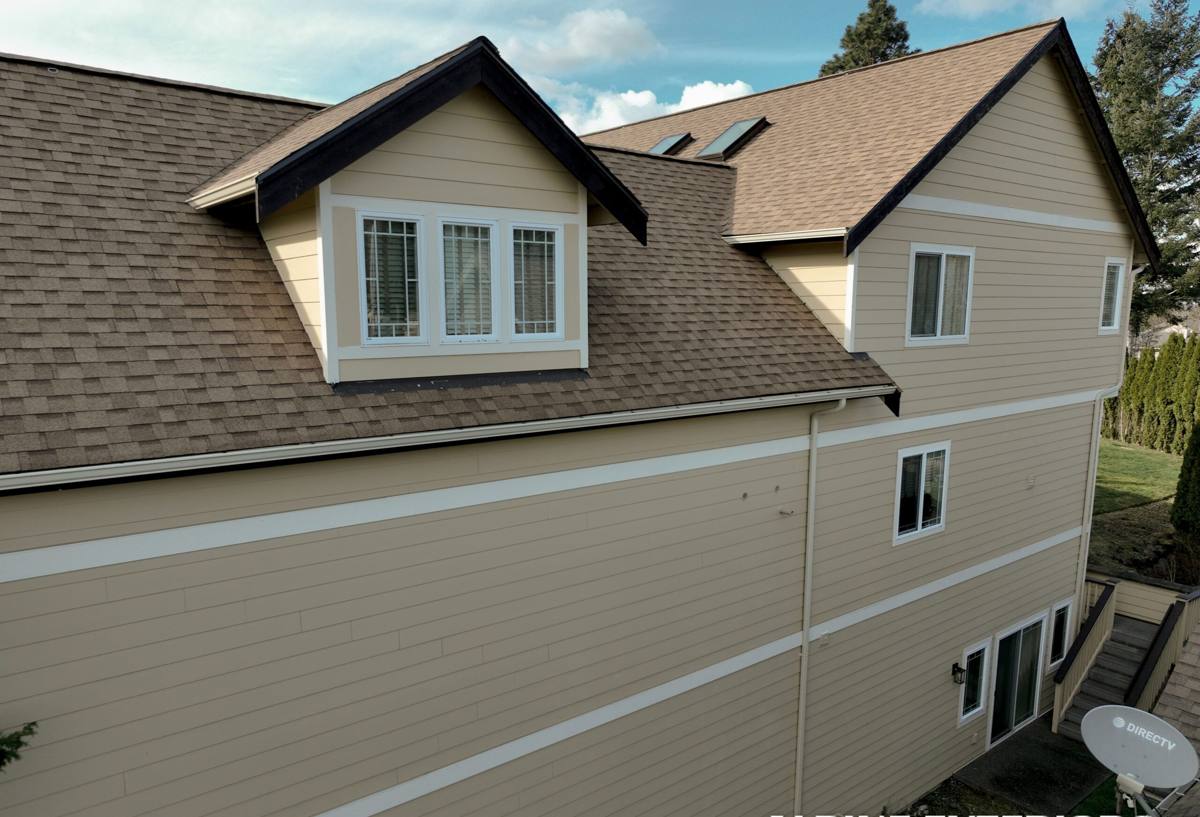
What Damp, Salt-Tinged Air Does to Windows Over Time
The Pacific Northwest's marine climate is gentler than a lot of the country's — no extreme freeze-thaw cycles, no desert UV — but it makes up for it with sheer persistence. Windows in this region are exposed to moisture almost year-round, and that changes what "correct installation" means.
Moss and Trapped Moisture
Moss doesn't just grow on roofs. It takes hold in window sills, corners, and anywhere water sits instead of draining. Once moss establishes itself against wood trim or an old sill, it holds moisture against the material constantly, which accelerates rot from the outside in. A properly installed window is shaped and sloped to shed water away from these areas; a poorly installed one gives moss exactly the damp, still conditions it needs.
Seal Failure and Fogged Glass
Constant humidity is also hard on the seals inside double-pane glass units. Once a seal fails, moisture gets between the panes and the glass fogs permanently — no amount of cleaning fixes it. This isn't unique to Bellingham, but the frequency of damp weather here means it shows up sooner than it would in a drier climate, especially on windows facing prevailing weather.
Signs a York Home Needs Replacement, Not Just Repair
Not every window problem means a full replacement. But there's a point where patching stops making sense. Common signs we see in this neighborhood include:
- Fogging or a milky haze between the panes of double-pane glass
- Soft, spongy, or discolored wood at the sill or lower corners of the frame
- Noticeable drafts even when the window is fully latched
- Difficulty opening, closing, or locking — often a sign the frame has shifted
- Visible gaps between the window frame and the siding or trim
- Condensation forming on the inside of the glass regularly, even in mild weather
Any one of these can sometimes be fixed on its own. Several at once, especially combined with an older window, usually means the unit and its installation have reached the end of their useful life.
What a Correct Window Installation Actually Involves
Window installation looks simple from the inside — pull the old one, set the new one, caulk the edges. Done right, it's a lot more involved than that, and the parts that matter most are the parts you won't see once the trim goes back on.
Flashing and Water Management
Every window opening needs to be flashed so that any water that gets past the exterior cladding is directed back out, not down into the wall cavity. This means proper sill pan flashing, correctly lapped house wrap or building paper at the head and sides, and drainage that doesn't rely on caulk alone to keep water out. Caulk is a backup, not a primary defense — a distinction that matters a great deal in a climate that sees as much sustained rain as this one does.
Air Sealing and Insulation
The gap between the window frame and the rough opening needs to be sealed and insulated correctly — not stuffed tight with fiberglass, which compresses and loses its insulating value, and not left with big voids that let air move freely. Low-expansion foam or backer rod and sealant, applied correctly, keeps the assembly both airtight and able to handle minor movement without cracking.
Fit, Level, and Reveal
A window has to be set plumb, level, and square, with an even reveal around all four sides. Even a small amount of racking in the frame puts stress on the glass seals and the hardware, which shortens the life of the unit regardless of how good the window itself is. This is where rushed installs go wrong most often — the window looks fine on install day and starts showing problems within a year or two.
Choosing the Right Window for a York Home
There's no single "best" window material — the right choice depends on the home's age, style, and how much upkeep the homeowner wants to take on. Here's how the common options compare for this climate:
| Frame Material | Moisture Resistance | Maintenance | Best Fit |
|---|---|---|---|
| Vinyl | Very good — won't rot | Low; occasional cleaning | Most homes prioritizing value and low upkeep |
| Fiberglass | Excellent — very stable in wet/humid swings | Low | Homes wanting durability and paintable finish |
| Wood | Fair — needs protection from the elements | High; regular painting/sealing required | Period homes where original wood detailing matters |
| Wood-clad (wood interior, vinyl/aluminum exterior) | Good, if cladding and flashing are done right | Moderate | Homeowners wanting a wood interior look with less exterior upkeep |
For a neighborhood like York, with its mix of older and updated homes, vinyl and fiberglass tend to be the practical choice for most full replacements, while wood or wood-clad options make sense where matching existing trim and character is a priority. We'll walk through the trade-offs honestly rather than push whatever's easiest to install.
Our Window Installation Process
Every job follows the same core sequence, adjusted for the specific window opening and home:
- On-site assessment. We check the existing frame, sheathing, and flashing condition — not just the window itself — before recommending replacement.
- Accurate measurement. Windows are measured for the actual opening, not assumed sizes, so the new unit fits without gaps that need to be papered over.
- Careful removal. The old window comes out without damaging surrounding siding or trim any more than necessary.
- Inspection of the rough opening. Any rot, soft sheathing, or prior water damage gets addressed before a new window ever goes in. Installing a new window over a compromised opening just hides a bigger problem.
- Flashing and sill pan installation. Water management is built in before the window is set, not left to caulk after the fact.
- Setting the window. Plumb, level, square, with a consistent reveal on all sides.
- Air sealing and insulation. The gap around the frame is sealed correctly for both airtightness and long-term flexibility.
- Exterior and interior finish work. Trim, caulking, and touch-up paint are completed to match the surrounding surfaces.
- Final walkthrough. Every window is opened, closed, and locked to confirm smooth operation before we consider the job done.
Why a Crew That Already Works in York Matters
Bellingham's older neighborhoods, York included, have a lot of variation in how homes were originally built and what's already been done to them — additions, past remodels, different trim profiles, different siding transitions. A crew that regularly works in this area has already seen the common rough-opening conditions, the typical trim details, and the specific ways local weather has aged the housing stock. That experience shows up in fewer surprises once the old window comes out and in trim and flashing work that actually matches what's already on the house, rather than a generic fix that stands out.
It also matters for timing. Whatcom County's wet season isn't a good time to have a window opening sitting exposed longer than necessary, and a crew that knows the local weather patterns plans the work accordingly.
What Affects the Cost of a Window Installation
Costs vary by project, but the main factors are consistent across most York homes:
| Factor | Why It Affects Cost |
|---|---|
| Number of windows | Per-window cost typically drops as more windows are done in the same visit |
| Frame material | Vinyl is generally the most economical; fiberglass and wood cost more |
| Full-frame vs. insert replacement | Full-frame replaces down to the rough opening and costs more but is often necessary where there's rot or the frame is out of square |
| Condition of the rough opening | Hidden rot or water damage found during removal adds repair work before the new window can go in |
| Trim and siding complexity | Matching existing trim profiles or working around siding transitions takes more time than a straightforward swap |
We give straight, itemized numbers before work starts — no inflated "good/better/best" pricing games, and no charging for repairs that aren't actually needed.
A Quick Checklist Before You Hire Anyone
- Do they inspect the rough opening, not just measure for a new window?
- Do they explain their flashing and water-management approach, or just mention caulk?
- Are they licensed and insured for work in Washington State?
- Will they give you a written, itemized estimate before starting?
- Do they have experience with homes similar in age and style to yours in this area?
- Are they clear about which repairs are necessary versus optional?
If a contractor can't answer these plainly, that's worth noticing before you sign anything.
If your windows in York are drafty, fogged, or just old enough that you're wondering, we're happy to take a look and give you an honest, no-pressure estimate — no obligation, just a straight assessment of what your home actually needs. The form below is the easiest way to get started.