 Bellingham
 Asphalt Shingle Roofing Built for Blaine's Coastline
Blaine sits at the northern edge of Whatcom County, right on the water and close enough to the Strait of Georgia that its weather behaves a little differently than roofs ten miles inland in Bellingham. Salt-laden air moves through constantly, wind-driven rain comes in sideways off the water during winter storms, and the tree cover and marine humidity keep roof surfaces damp for long stretches of the year. Asphalt shingle roofing is still the right call for most homes here — it's durable, cost-effective, and repairable — but only when it's installed with this specific coastal exposure in mind. A shingle roof detailed the same way you'd detail one in a dry inland climate will fail early in Blaine. One built correctly for it will hold up for decades.
This page covers what an asphalt shingle roof actually needs to perform well on a Blaine property, what our installation and repair process looks like, and why working with a crew that's already familiar with this stretch of coastline matters more here than it does in milder parts of Whatcom County.
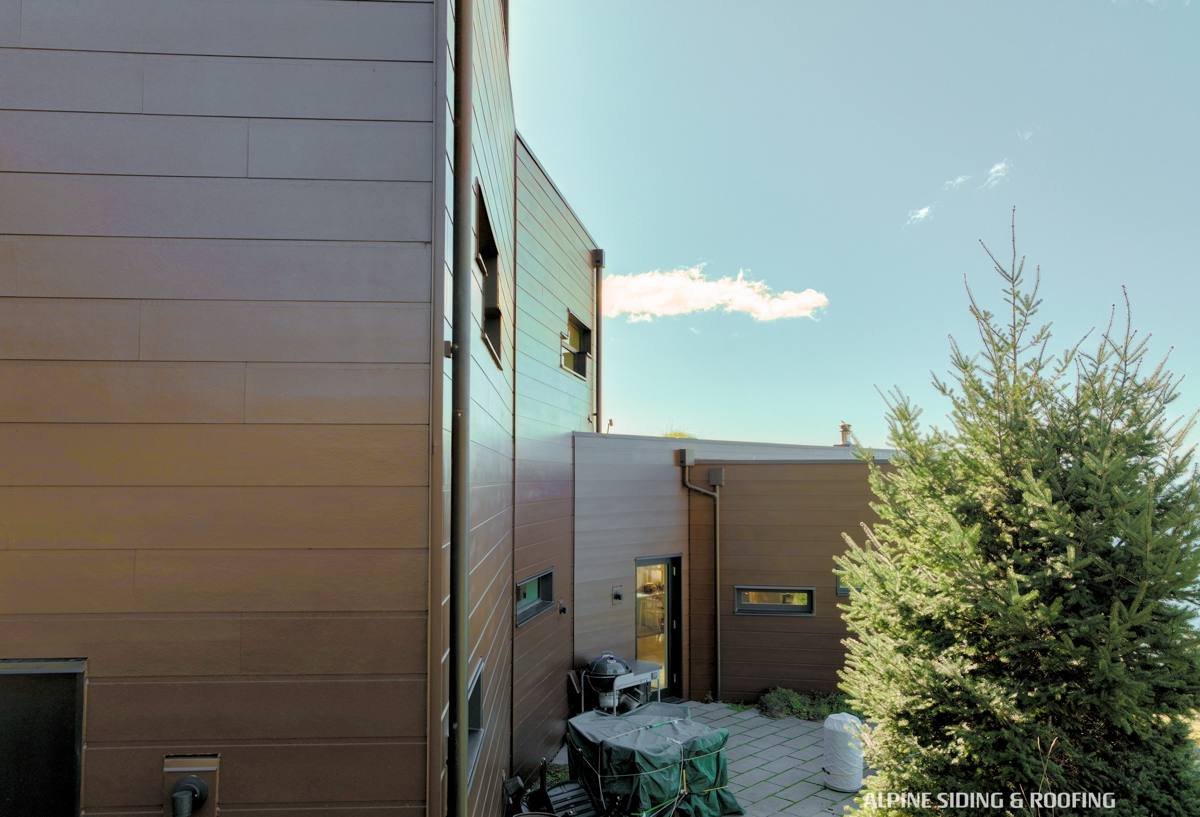
Why Blaine's Climate Is Hard on Asphalt Shingles
Salt Air and Metal Fatigue
Every metal component on a roof — nail heads, flashing, drip edge, vent stacks, ridge caps — is exposed to airborne salt near the water. Salt accelerates corrosion, and corroded fasteners lose their grip long before the shingles around them wear out. A roof can look fine from the ground while its flashing and nails are quietly failing underneath. This is why fastener and flashing material selection matters more in Blaine than it does for a roof built the same day inland.
Driving Rain, Not Just Rainfall Totals
Whatcom County gets a lot of rain overall, but what causes damage in Blaine specifically is wind-driven rain — storms that push water sideways and up under shingle edges, into valleys, and around penetrations rather than simply running downhill off the roof. Standard nailing patterns and minimal underlayment are designed for water moving one direction: down. A roof exposed to driving rain off open water needs extra protection at every seam and edge.
A Long, Damp Moss Season
Shade from mature trees, high humidity, and mild winter temperatures give moss and algae a long window to establish on north-facing and shaded slopes. Once moss takes hold, it holds moisture against the shingle surface, works its way under the tabs, and lifts them — which is when leaks start, well before the shingles themselves have worn out. In Blaine, moss isn't a cosmetic issue; it's usually the first stage of a roof leak.
What a Correctly Installed Roof Needs Here
A shingle roof that's going to hold up on this part of the coast needs a few things done right that get skipped on cheaper jobs elsewhere:
- Ice-and-water shield at eaves, valleys, and around every penetration — not just the minimum code strip, but full coverage anywhere water is likely to back up or drive sideways.
- Synthetic underlayment rated for extended exposure, since coastal humidity and shaded roof planes stay damp longer than felt paper is built to handle well.
- Corrosion-resistant fasteners and flashing suited to salt air exposure, rather than standard-grade hardware that's fine inland but degrades faster near the water.
- Proper attic and roof ventilation, so moisture from inside the house doesn't add to what the shingles are already dealing with from outside.
- Algae-resistant (AR) shingle granules on shaded or north-facing slopes, which slow — though don't eliminate — moss and algae growth.
- Correct nailing pattern and nail placement, since underdriven or overdriven nails are one of the most common causes of premature shingle failure in wind-exposed areas.
None of this is exotic. It's standard trade practice done properly, without the shortcuts that show up on roofs installed by crews who don't work coastal exposures regularly.
Signs a Blaine Roof Needs Attention
Because moss and wind-driven rain do their damage from the top down and from the inside out, problems aren't always obvious from the driveway. Worth checking for, especially heading into fall:
- Moss or dark streaking on north-facing or shaded slopes
- Granules collecting in gutters or at downspout outlets
- Shingle tabs that look lifted, curled, or cupped at the edges
- Rust staining around nail heads, vent stacks, or flashing
- Soft spots or discoloration on interior ceilings after a windy rainstorm
- Daylight visible around chimney or plumbing vent flashing from the attic
- Granule loss leaving bald patches on south-facing slopes from sun exposure
Any one of these on its own isn't an emergency. Several together, or moss that's been left to grow for more than a season, usually means it's time for an actual inspection rather than a guess from the ground.
Our Process for Blaine Homes
- On-site inspection. We look at the roof surface, flashing, ventilation, and — where accessible — the attic side, since a lot of coastal roof problems show up there first.
- Honest assessment. We'll tell you plainly whether you're looking at a repair, a partial reroof, or a full replacement, and explain the reasoning rather than defaulting to the most expensive option.
- Written estimate. Materials, scope, and timeline spelled out before any work starts — no verbal-only quotes.
- Tear-off and deck check. Old material comes off and we inspect the decking underneath for rot or soft spots, which is common on older Blaine roofs where moss has been sitting for years.
- Underlayment and flashing detail work. This is where most of the coastal-specific protection happens — eaves, valleys, and penetrations get full attention, not just the code minimum.
- Shingle installation. Correct nailing pattern, proper exposure, and attention to wind exposure on the slopes most exposed to weather off the water.
- Ventilation check. We confirm intake and exhaust venting are balanced, since poor ventilation shortens the life of even a well-installed roof.
- Final walkthrough. We go over the finished work with you and explain what to watch for going forward.
Shingle Options and Cost Factors
Most Blaine reroofs come down to a choice between standard 3-tab shingles and heavier architectural (laminated) shingles, with a few site-specific factors that move the price up or down.
| Factor | Lower Cost Range | Higher Cost Range |
|---|---|---|
| Shingle type | Standard 3-tab | Architectural / laminated, heavier warranty class |
| Roof pitch and access | Simple, low-pitch, easy access | Steep pitch, multiple stories, difficult access |
| Deck condition | Existing deck sound, no repairs needed | Rotted decking requiring replacement sections |
| Flashing and penetrations | Few penetrations, simple valleys | Multiple vents, skylights, chimneys, complex valleys |
| Ventilation upgrades | Existing ventilation adequate | New ridge or intake venting required |
| Moss remediation | Light cleaning, minimal treatment | Heavy moss removal and deck inspection first |
We'll walk through where your project falls on this table during the estimate — there's no reason to pay for upgrades your roof doesn't need, but there's also no point skipping protection your specific slope and exposure actually require.
Moss and Algae: What Actually Helps
Moss prevention on a Blaine roof is an ongoing effort, not a one-time fix. Algae-resistant shingles slow growth but don't stop it permanently, especially on shaded north slopes near trees. What actually keeps moss from becoming a leak problem is a combination of things: keeping tree limbs trimmed back so slopes get more sun and airflow, clearing debris from valleys and gutters before it holds moisture against the shingles, and having moss physically removed — not just chemically killed and left in place — before it works its way under the shingle tabs. Pressure washing is not the answer; it strips granules and can force water under shingles, which causes the exact leak you're trying to prevent. Gentle, low-pressure cleaning methods are the right approach on asphalt shingle roofs.
Why a Local Crew Matters for a Border Town Roof
Blaine is a small community at the far end of Whatcom County, and its roofs deal with a different mix of weather than roofs closer to Bellingham proper — more direct salt exposure, more wind off open water, and shaded lots that hold moisture longer into the season. A crew that works this area regularly knows which slopes on a given property type tend to grow moss first, which flashing details fail early near the water, and how local wind patterns during winter storms drive rain into places a standard install wouldn't account for. That's knowledge you build by working the area repeatedly, not something you get from a general specification sheet. It also means faster response if something needs a look after a storm, rather than waiting on a crew that has to travel a long distance to reach you.
Maintenance After Installation
A well-installed shingle roof in Blaine still benefits from basic upkeep. Worth doing on a regular schedule:
- Clear gutters and valleys of needles and debris at least twice a year
- Trim back tree branches that shade the roof or drop debris on it
- Have moss removed before it spreads, not after it's established
- Check attic ventilation isn't blocked by insulation or storage
- Walk the roofline visually after major windstorms for lifted or missing shingles
- Schedule a professional inspection every few years, even without visible problems
None of this is expensive or time-consuming, and it's far cheaper than dealing with a leak that's been sitting under moss for a season or two before anyone notices it.
Get an Honest Look at Your Roof
If you're not sure whether your Blaine roof needs a repair, a partial reroof, or nothing at all right now, we're happy to come take a look and give you a straight answer. The estimate is free, there's no pressure attached to it, and you'll get a clear explanation of what we see and why — just fill out the form below to get started.