 Bellingham
 Roof Repair Built for Columbia's Weather, Not Just Any Weather
A roof repair that holds up in a dry climate doesn't automatically hold up here. Columbia sits close enough to the water and to Whatcom County's marine air that roofs take a specific kind of beating: salt-laden air that accelerates corrosion on metal fasteners and flashing, driving rain that gets pushed sideways under standard laps, and a moss season that runs longer than most homeowners expect. A repair that doesn't account for all three tends to fail again within a year or two. One that does account for them can add a decade or more of service life to an aging roof.
This page is about roof repair specifically for Columbia homes — what the local conditions demand, what a correct repair looks like in practice, and how we approach the work when we're called out to a roof in this part of Bellingham.
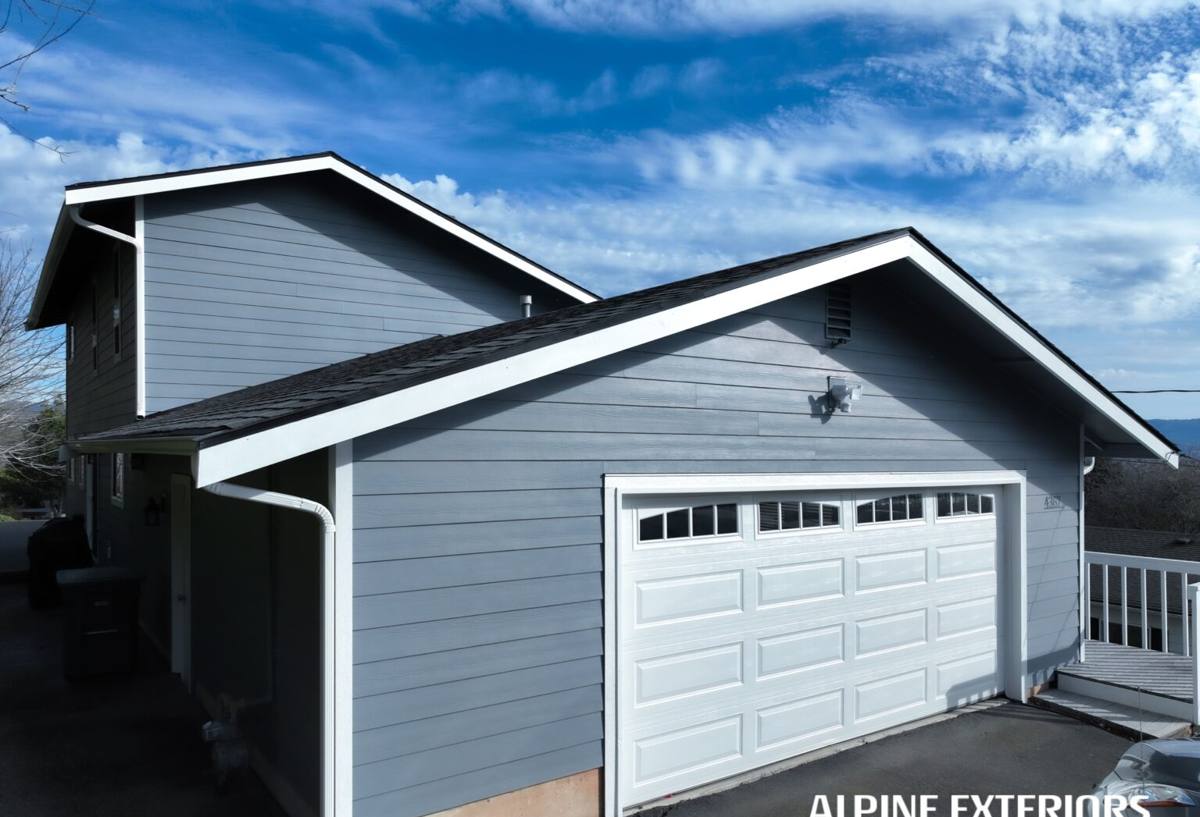
What Salt Air, Driving Rain, and Moss Actually Do to a Roof
Salt Air and Corrosion
Proximity to saltwater speeds up the breakdown of exposed metal — nails, staples, flashing edges, and drip edge — well before it would fail in a drier inland location. Galvanized fasteners that would last for decades elsewhere can start showing rust streaks and pitting years earlier here. When a repair uses the wrong fastener or flashing metal, or reuses corroded material instead of replacing it, the repair itself becomes the next failure point.
Driving Rain and Wind-Driven Water
Bellingham gets plenty of straight-down rain, but it also gets wind-driven rain that comes in at an angle and finds its way under shingle laps, around chimneys, and through any gap in flashing that would otherwise stay dry in calmer weather. Repairs that only address the visible leak point, without checking how water actually travels once it's under the roofing material, tend to resurface as "mystery leaks" somewhere else in the house.
Moss and Extended Wet Seasons
Columbia's tree cover and the region's long, damp shoulder seasons give moss a wide window to establish itself. Moss holds moisture directly against the roofing surface, works its way under shingle tabs as it grows, and lifts materials just enough to let water in during the next storm. On cedar shake and lower-slope sections in particular, moss is one of the most common root causes of a leak that homeowners assume is a materials failure.
Signs a Columbia Home Needs Roof Repair
Most roof problems here don't announce themselves as a dramatic leak on day one. They show up as smaller signals first. Worth checking for, or asking about during an inspection:
- Granule buildup in gutters or at the base of downspouts, a sign asphalt shingles are wearing thin
- Dark streaking or thick moss growth concentrated on north-facing or shaded slopes
- Curling, cupping, or lifted shingle edges, especially near ridges and valleys
- Rust staining below metal flashing, vents, or exposed fasteners
- Soft spots or sagging when walking the roof (or visible sag from the ground)
- Water stains on interior ceilings, especially after a windy rainstorm rather than a calm one
- Daylight visible through the attic roof deck, or damp insulation near the eaves
- Gutters and valleys that hold standing debris and slow water down instead of moving it off the roof
None of these guarantee a major problem, but any of them are worth a professional look before the next wet season sets in.
What a Correct Roof Repair Actually Involves
Diagnosis Before Patching
The most common mistake in roof repair isn't bad workmanship — it's fixing the spot where water showed up inside the house instead of the spot where it actually entered the roof. Water travels along the underlayment and roof deck before it drips, sometimes several feet from the entry point. A correct repair starts by tracing the path, not just patching the ceiling stain's rough location.
Flashing and Underlayment, Not Just Shingles
Most repair failures happen at transitions — chimneys, skylights, sidewall intersections, valleys, and vent penetrations — rather than in the open field of the roof. Replacing a shingle without addressing the flashing or underlayment beneath it treats the symptom, not the cause. A repair done right pulls back enough surrounding material to inspect and correct what's underneath, not just what's visible on top.
Matching Materials, Not Just Covering the Spot
Patch repairs that use mismatched shingle profiles, incompatible metal types (which can accelerate corrosion where dissimilar metals meet), or the wrong underlayment weight tend to create a weak point that ages differently than the rest of the roof. We match materials to what's already on the roof wherever possible, and explain clearly when an exact match isn't available and what the next-best option looks like.
Moss and Debris Removal Before Repair, Not After
On roofs with active moss growth, we clear it and address the moisture it's trapped before doing repair work, not after. Patching over active moss just seals the moisture in.
Roof Repair Considerations by Roofing Type
Columbia has a mix of roofing materials, and each one fails differently and gets repaired differently. Broad guidance, not a quote — every roof needs its own inspection:
| Roof Type | Common Failure Point Here | Repair Approach |
|---|---|---|
| Asphalt Composition Shingle | Granule loss, wind-lifted tabs, nail pops near coastal-exposed slopes | Localized tear-off and reshingle, re-nail with corrosion-resistant fasteners, flashing check |
| Cedar Shake / Shingle | Moss trapping moisture, individual shake splitting, and slow rot at butt ends | Moss removal, selective shake replacement, ventilation check to slow future moss return |
| Metal Roofing | Fastener corrosion, sealant failure at seams and penetrations from salt air exposure | Fastener replacement with correct-grade hardware, seam and penetration resealing |
| Low-Slope / Torch-Down or Membrane | Ponding water, seam separation, membrane cracking at flashing edges | Seam re-welding or patching, drainage correction, edge flashing repair |
Repair costs vary with roof pitch, access, how many trades of material need to come up, and how far the damage has spread beyond the original leak point — which is exactly why we inspect before quoting rather than pricing off a phone description.
Our Roof Repair Process
The same process every time, whether it's a single flashing leak or a section that's clearly been failing for a while:
- On-site inspection. We walk the roof (weather permitting) and the attic space where accessible, tracing the water path rather than assuming the leak is directly above the stain.
- Clear explanation and written estimate. We show you what we found, explain what's causing it in plain terms, and provide a written scope before any work starts — no surprise add-ons mid-job.
- The repair itself. Correct materials, correct fasteners for this climate, and attention to the transitions and flashing that actually cause most repeat leaks.
- Cleanup and check. Debris and old material removed, gutters checked for blockages caused by the original problem, and a final look to confirm the fix holds under the next rain.
Repair or Replace? How We Help You Decide
Not every roof problem needs a full replacement, and not every roof is a good candidate for another round of patching. We look at a few honest factors with you:
- How much of the roof's total service life is left, based on material condition across the whole roof, not just the leak area
- Whether the current failure is isolated or a sign of widespread wear (several separate leak points usually points toward replacement being the more cost-effective path)
- Whether the existing roof deck is sound enough to support another repair cycle
- Your own timeline and budget — sometimes a solid repair now, with replacement planned for a few years out, is the right call
We'll tell you honestly if we think a repair is a short-term fix rather than a lasting one, rather than selling a patch we don't expect to hold.
Why Local Experience in Columbia Matters
A roofer who works across Whatcom County regularly knows which slopes in this area hold moss longest, which flashing details tend to fail first under wind-driven coastal rain, and which fastener and material choices actually last against salt air exposure instead of just meeting a generic building code minimum. That's the difference between a repair that's still holding in five years and one that needs a second visit next winter. We work in Columbia and the surrounding Bellingham neighborhoods regularly, and we bring that pattern recognition to every repair, not just a general roofing checklist.
Get a Straightforward Estimate
If you've noticed a leak, moss buildup, or damaged shingles on your Columbia home, we're happy to take a look and give you a clear, no-pressure estimate for what it would take to fix it right. Use the form below to request a free inspection — no obligation, just an honest assessment of what your roof actually needs.