 Bellingham
 Decks in Edgemoor Face a Tough Combination of Conditions
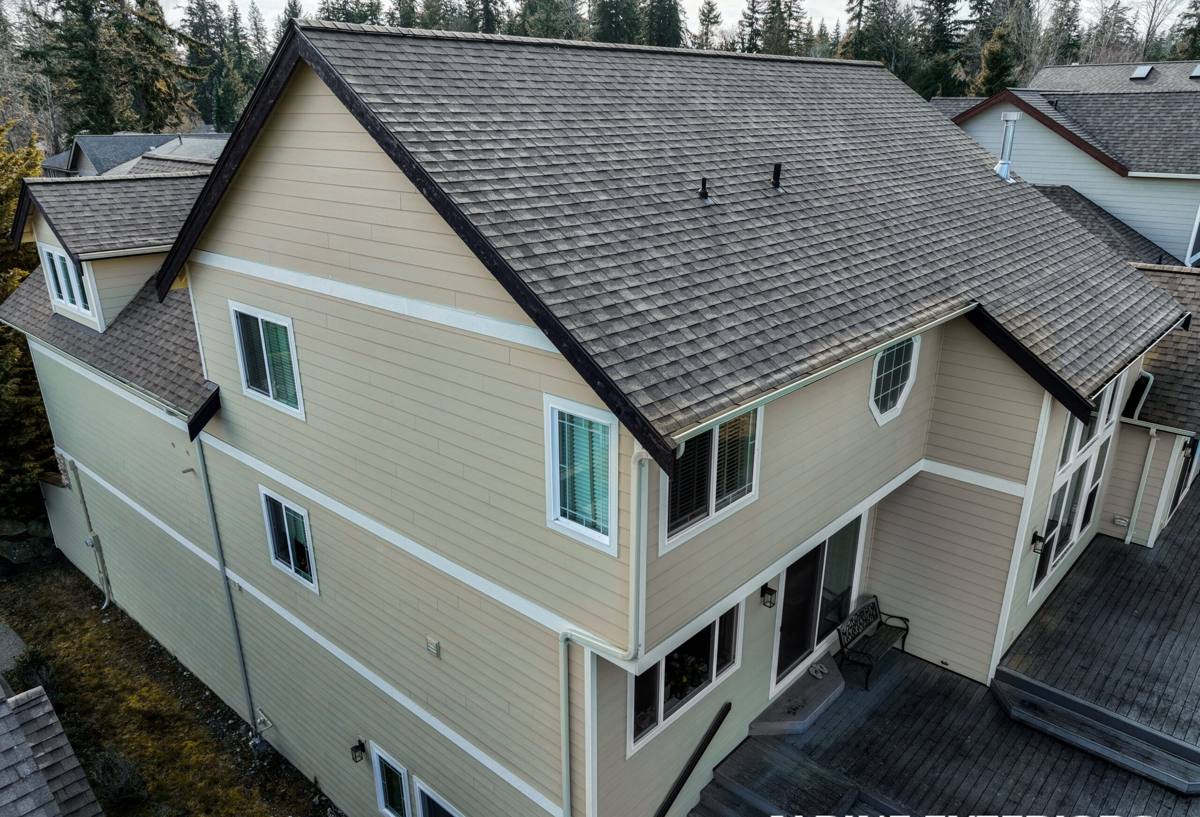
Edgemoor sits close enough to the water that salt-laden air is a constant, low-grade stressor on anything built outdoors. Add in Whatcom County's long stretch of driving rain each fall and winter, plus a moss season that can run for months on shaded or north-facing structures, and you have a recipe that wears down decks faster than homeowners expect. A deck that would last decades in a dry inland climate can develop real structural problems in half that time here if it wasn't built or maintained with this specific combination of exposures in mind.
None of these factors are dramatic on their own. Salt air slowly accelerates corrosion on fasteners and hardware. Rain finds every gap, seam, and end-grain cut and works moisture into wood fiber over repeated cycles. Moss holds that moisture against the surface long after the rain has stopped, feeding rot in spots that never get a chance to fully dry. Individually, manageable. Together, over several Bellingham winters, they're the reason so many of the deck repairs we do involve damage that started small and was invisible from the surface for a long time.
What Edgemoor Decks Actually Need From a Repair
A deck repair in this part of Whatcom County isn't just about swapping a few boards that look bad. It needs to address the mechanisms causing the damage, or the same problems come back within a season or two. That means:
- Fasteners and hardware rated for coastal, corrosive environments — not standard interior-grade hardware
- Attention to drainage and airflow underneath the deck, where moss and standing moisture do the most hidden damage
- Proper flashing at the ledger board, the single most common source of hidden rot on attached decks in wet climates
- Board spacing and fastening that accounts for wood movement through repeated wet-dry cycles
- A realistic plan for ongoing moss control, since one cleaning doesn't solve a shaded, damp site
Skipping any of these doesn't necessarily show up right away. It shows up two or three winters later, as a soft spot near the house, a post that's lost its grip in the concrete footing, or fasteners that have rusted and stained the decking around them.
Common Deck Problems We See on Edgemoor Properties
Ledger Board and Rim Joist Rot
Where the deck attaches to the house is the highest-risk area on almost any deck repair we look at. If flashing was missing, undersized, or improperly lapped when the deck was built, water has been getting behind the ledger board for years, often with no visible sign until the wood is soft enough to probe with a screwdriver.
Corroded or Failing Fasteners
Salt air accelerates corrosion on screws, joist hangers, and bolts that weren't rated for it. We regularly find hardware that's rusted enough to have lost significant holding strength, even though the wood around it still looks fine.
Moss and Algae Buildup on Decking and Stairs
Shaded lots and tree cover common to this area keep certain sections of a deck damp far longer than open, sun-exposed areas. Moss isn't just a slip hazard — it holds moisture against the wood surface and accelerates surface rot underneath it.
Post Base and Footing Deterioration
Posts set in or near grade without proper standoff hardware take on moisture from the ground up. Over time this weakens the post base, which is a structural issue, not a cosmetic one.
Warped, Cupped, or Split Decking Boards
Repeated wet-dry cycling is hard on wood decking. Boards that weren't properly spaced or fastened for movement will cup, split at fastener points, or work themselves loose.
Repair or Replace? How We Help You Decide
Not every deck problem calls for a full rebuild, and not every repair is worth doing if the underlying structure is compromised. We inspect first and give you a straight answer about which category your deck falls into.
| Factor | Favors Repair | Favors Replacement |
|---|---|---|
| Framing condition | Solid, dry framing with isolated surface issues | Rot at multiple structural members or the ledger |
| Age of structure | Under 15 years, built to a reasonable standard | Older deck nearing or past typical service life |
| Extent of damage | Limited to specific boards, posts, or hardware | Damage spread across the deck or hidden in multiple areas |
| Code compliance | Original construction meets current safety basics | Missing proper flashing, undersized footings, or unsafe railings |
| Cost outlook | Repair cost is a fraction of replacement cost | Repair cost approaches what a rebuild would run |
We'd rather tell a homeowner honestly that repair is the right call and save them money than push a rebuild that isn't necessary. The reverse is also true — if the framing is compromised, patching the surface just delays a bigger problem and spends money that doesn't solve anything.
Our Deck Repair Process
1. Full Inspection, Including What's Underneath
We check the visible decking, but the real inspection happens underneath and at connection points: the ledger flashing, joist hangers, post bases, and framing. This is where the damage that actually matters tends to hide.
2. A Clear, Honest Scope
You get a straightforward explanation of what's failing, why, and what it will take to fix it correctly — including whether a smaller repair is enough or whether we're finding more than expected.
3. Correct the Cause, Not Just the Symptom
If flashing is missing, we add it. If drainage under the deck is poor, we address it. If fasteners are corroded, we replace them with hardware rated for this environment. Replacing a board without fixing what caused it to fail just resets the clock on the same problem.
4. Structural Repairs Before Cosmetic Ones
Framing, posts, footings, and connections get addressed first. Decking boards, railings, and stairs come after, once we know the structure underneath them is sound.
5. Final Walkthrough
We walk the finished repair with you, explain what was done, and flag anything worth keeping an eye on going forward.
Materials: What We Use and Why
For structural framing repairs, we use pressure-treated lumber rated for ground contact where appropriate, along with fasteners and connectors rated for corrosive, coastal exposure — not standard interior hardware that will start rusting within a season or two near the water.
For decking surfaces, both wood and composite have a place, and the right choice depends on the homeowner's priorities. Wood decking is often more affordable up front and can be repaired board by board, which fits a repair-focused job well. Composite decking generally resists moisture damage and moss staining better over time, but it comes at a higher material cost and isn't always a like-for-like match when you're repairing sections of an existing wood deck rather than replacing the whole surface. We'll walk through the real trade-offs — cost, maintenance, appearance, and how well it matches what's already there — rather than pushing one option as universally better.
Between-Visit Maintenance That Actually Helps
A good repair lasts longer when it's paired with basic upkeep between visits. This is especially true on shaded or water-facing lots common to this neighborhood.
- Sweep debris off the deck surface regularly, especially in fall when leaves and needles trap moisture
- Clean moss and algae off the surface and stairs before it builds up thick, using a method that doesn't gouge or pressure-damage the wood
- Check that gaps between boards stay clear so water can drain rather than pool
- Look underneath once or twice a year for standing water, soft framing, or rust staining around fasteners
- Reapply stain or sealer on wood decking on the schedule it actually needs, not just when it looks faded
- Keep gutters and downspouts near the deck clear so runoff isn't dumping directly onto or under it
Why It Matters to Hire a Crew That Already Works This Area
A deck repair crew that regularly works Bellingham and the surrounding Whatcom County waterfront knows what to check first, because they've seen the same failure patterns repeat on similar lots — elevated sites, tree cover, and proximity to the water all shaping how a deck ages here. That means a faster, more accurate inspection and a repair plan built around the actual conditions your deck is dealing with, not a generic checklist.
It also means straightforward answers about materials and hardware that hold up locally, realistic maintenance advice for your specific site, and a crew that isn't guessing at how salt air, rain, and moss interact with a deck over multiple seasons. That local track record is worth something when you're deciding who to trust with a structure your family stands on.
Get an Honest Look at Your Deck
If your deck has soft spots, rusted hardware, persistent moss, or you're just not sure whether it needs a repair or a rebuild, we're happy to take a look. Fill out the form below for a free, no-pressure estimate — we'll give you a straight answer about what your deck actually needs.