 Bellingham
 Fairhaven's Climate Asks More of Your Siding Than Most Neighborhoods
Fairhaven sits close to Bellingham Bay, and that proximity to the water shapes what a siding job needs to survive. Salt-laden air moves off the bay and settles on exterior surfaces year-round, accelerating corrosion on fasteners, trim, and any metal components that weren't specified for a marine environment. Add Whatcom County's long wet season — months of driving rain pushed sideways by wind off the water — and you have a climate that punishes shortcuts in ways drier inland areas simply don't.
Then there's moss. Bellingham's combination of moisture, shade from mature trees, and mild temperatures creates ideal moss and algae conditions for a good chunk of the year. Moss doesn't just look bad on a wall — it holds moisture against the siding surface, and sustained moisture contact is the single biggest driver of siding failure, regardless of material. A siding system that can't shed water and dry out between storms is going to have problems in Fairhaven faster than almost anywhere else in the region.
This is the backdrop for every installation decision we make on a Fairhaven home: material selection, drainage detailing, fastener choice, and finish all have to account for salt exposure, sustained rain, and moss pressure at the same time.
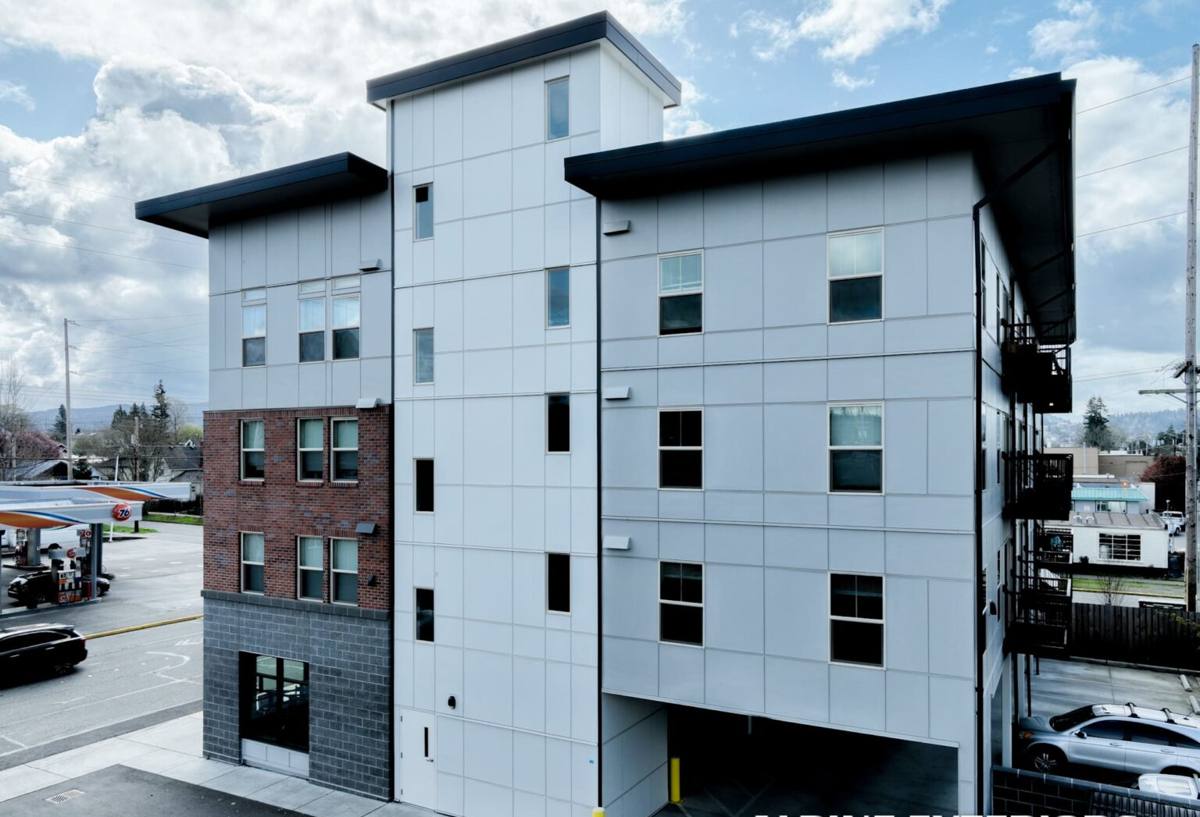
What "Correct" Siding Installation Actually Involves
Siding installation is often talked about like it's a cosmetic upgrade — pick a color, nail up some boards. In a climate like this one, that mindset is how homes end up with rot behind brand-new siding within a few years. Correct installation is a water-management system, and the visible siding is only the last layer of it.
The Water-Resistive Barrier (WRB)
Before any siding goes up, the wall needs a continuous, properly lapped weather-resistive barrier — the layer that stops bulk water from reaching the sheathing if it ever gets past the siding. Every seam, penetration, and transition needs to be sealed and shingled correctly so water is always directed outward and down, never trapped.
A Drainage Gap Behind the Siding
In a high-rain, high-humidity area like Fairhaven, a rainscreen gap — a small air space between the WRB and the back of the siding — makes a real difference. It lets any moisture that does get behind the siding drain and evaporate instead of sitting against the wall assembly. This detail costs more labor up front and prevents the slow, hidden rot that shows up years later as soft trim or a musty smell in an interior wall.
Flashing at Every Penetration
Windows, doors, hose bibs, light fixtures, deck ledgers — every place something interrupts the siding plane is a place water wants to get in. Proper head flashing, kick-out flashing at roof-wall intersections, and sealed penetrations aren't optional extras; they're the difference between siding that lasts 30-plus years and siding that fails from the inside out in ten.
Fastening and Clearances
Fastener type, spacing, and depth all matter, and they matter more near salt air. We also keep the bottom edge of the siding clear of soil, decking, and hardscape by the manufacturer's specified clearance — ground contact and splash-back are two of the most common causes of premature rot we see on homes throughout Whatcom County.
Why We Only Install James Hardie Fiber Cement
We install James Hardie siding exclusively — we don't install vinyl, LP SmartSide, Cemplank, Allura, or unfinished wood siding like primed spruce or cedar. That's not a marketing position; it's a standard we hold because of what we've seen these materials do over time in exactly this kind of coastal, wet climate.
Vinyl expands and contracts significantly with temperature swings, can warp or crack in cold snaps, and is a fuel source in a wildfire event. Wood-based products like LP SmartSide and unfinished cedar or spruce depend on an intact factory coating or ongoing homeowner maintenance to keep moisture out — miss a maintenance cycle in a climate this wet, and moisture gets into the substrate fast. Once that happens with an engineered wood product, swelling and delamination follow, and there's no good way to reverse it short of replacement.
James Hardie fiber cement is non-combustible, dimensionally stable across temperature and humidity swings, and doesn't feed moss and mildew the way wood-based sidings can. It comes pre-finished with ColorPlus technology — a factory-baked finish that resists fading and chipping far better than field-applied paint, which matters when your wall is getting salt air and UV exposure simultaneously. Hardie also builds climate-specific product lines (HZ5 for cold, wet regions like ours) engineered for exactly the freeze-thaw and moisture conditions Whatcom County sees.
Material Comparison for a Marine Climate Like Fairhaven's
| Material | Moisture Behavior | Maintenance Burden | Fire Resistance |
|---|---|---|---|
| James Hardie Fiber Cement | Dimensionally stable; won't swell, rot, or delaminate | Low — factory finish, no repainting cycle | Non-combustible |
| Vinyl | Doesn't absorb water but seams/gaps allow moisture behind panels | Low, but limited repair options once damaged | Combustible, can warp near heat sources |
| LP SmartSide / Engineered Wood | Vulnerable to swelling if coating fails | Moderate — coating needs to stay intact | Combustible |
| Unfinished Cedar / Primed Spruce | Absorbs moisture directly; needs consistent sealing | High — regular refinishing required | Combustible |
How We Handle a Fairhaven Siding Installation
Every job starts the same way regardless of the neighborhood, but the details we pay closest attention to shift based on a home's exposure to wind, rain, and salt air.
1. Site and Wall Assessment
We walk the exterior and check the current condition of the sheathing, trim, and any existing water-resistive barrier. On older Bellingham-area homes, this step often turns up moisture damage that isn't visible until the old siding comes off — we flag it and address it before anything new goes up, rather than covering it over.
2. WRB and Drainage Plane Installation
We install a continuous weather-resistive barrier with a drainage gap behind the siding, giving the wall a way to dry out even during a stretch of back-to-back rain events, which is a normal occurrence here for much of the year.
3. Flashing and Trim Detail
Every window, door, and penetration gets flashed before siding installation begins. This is the step that's easiest to rush and most important not to.
4. Hardie Panel or Plank Installation
We install to James Hardie's published fastening schedules and clearance requirements, using fasteners rated for the exposure. Getting this step right is what keeps the ColorPlus finish and the panel itself performing for decades rather than years.
5. Final Walkthrough
We check seams, caulking, clearances, and trim details before calling the job finished, and we walk the homeowner through what to expect as the siding weathers in.
Problem Areas We Watch for on Bellingham-Area Homes
We don't know every Fairhaven property, but we see recurring patterns across homes in this climate that are worth understanding before a project starts:
- North- and shade-facing walls that stay damp longer and are more prone to moss and algae growth
- Ground-level siding installed with insufficient clearance above soil, mulch beds, or hardscaping
- Old caulk joints around windows and trim that have failed and are letting water track behind the siding
- Metal flashing and fasteners showing corrosion consistent with sustained salt air exposure
- Areas where a deck, porch roof, or addition ties into the original wall without proper kick-out flashing
None of these are unusual — they're just what happens over time in a wet, coastal climate. The point of a correct installation is to remove as many of these failure points as possible up front.
Maintaining Hardie Siding in a Salt-Air, High-Moss Climate
James Hardie siding is low-maintenance compared to wood or vinyl, but "low-maintenance" doesn't mean "no maintenance," especially this close to the water. A short seasonal routine goes a long way:
- Rinse the siding with a garden hose once or twice a year to clear salt residue and airborne grime
- Keep gutters clean so overflow doesn't run down the siding face and feed moss growth
- Trim back vegetation and tree limbs that keep walls shaded and damp
- Inspect caulking around windows, doors, and trim annually and re-seal if it's cracked or pulling away
- Address any soft trim, staining, or bubbling paint promptly rather than waiting for the next dry season
Why Local Experience in Fairhaven Matters
A contractor who mostly works drier, inland areas can install siding by the book and still miss the details that matter most in a marine microclimate — drainage detailing sized for sustained rain, fastener selection that accounts for salt exposure, and flashing details around the roof-wall intersections that take the brunt of wind-driven rain off the bay. Working regularly in Bellingham and across Whatcom County means we're not guessing at how a wall assembly will hold up here — we're building to conditions we deal with on every job.
What Affects the Cost of a Siding Installation
| Factor | Why It Matters |
|---|---|
| Home size and wall complexity | More corners, gables, and penetrations mean more flashing and cut work |
| Condition of existing sheathing | Hidden moisture damage found during tear-off adds repair scope |
| Hardie product line and profile | Plank, panel, and shingle styles vary in material and labor cost |
| Trim and accessory scope | Corner boards, fascia, and soffit work add to the total project |
| Access and site conditions | Tight lots, slopes, or landscaping near the walls affect labor time |
We won't quote a number without seeing the home, but we're always straightforward about where the cost is going and why — no padded estimates, no vague allowances.
Get an Honest Look at Your Fairhaven Home
If your siding is aging, showing moss, or you're planning ahead for a replacement, we're happy to take a look and give you a straightforward, no-pressure estimate. Use the form below to get started.