 Bellingham
 Metal Roofing Built for Ferndale's Climate
Ferndale sits close enough to the water that salt air is part of daily life, and far enough into Whatcom County's rain belt that roofs here rarely get a real break from moisture. Between the marine air rolling in off Bellingham Bay and the long, wet stretches from fall through spring, a roof in Ferndale works harder than one a hundred miles inland. Metal roofing has become a popular answer for homeowners who are tired of replacing asphalt shingles every 15-20 years or scraping moss off their roof every summer, and when it's installed correctly for this specific environment, it holds up to conditions that wear out lesser materials fast.
This page is about metal roofing specifically for Ferndale homes — what the local climate actually demands, what a correct installation looks like, and why the details matter more here than they do in a drier part of the state.
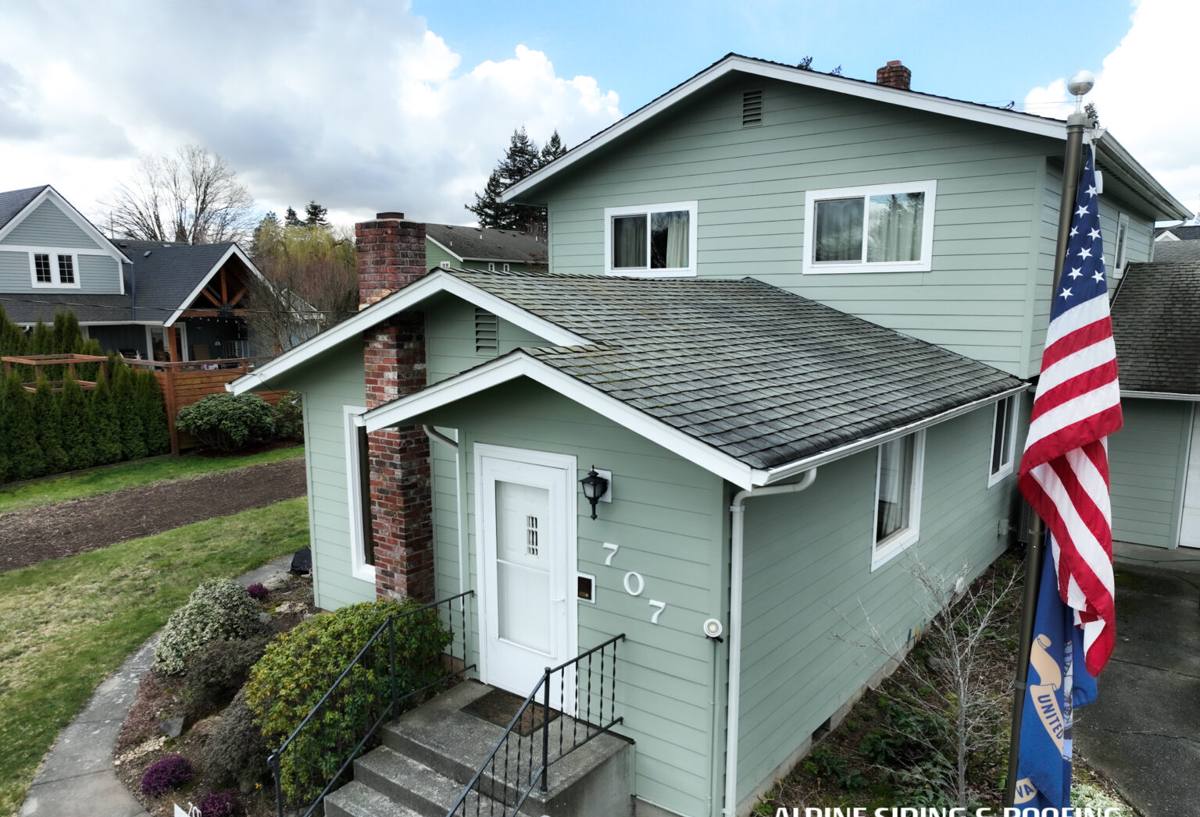
What Ferndale's Weather Actually Does to a Roof
Three things define roofing conditions in this part of Whatcom County, and each one has a direct effect on how a metal roof should be specified and installed.
Salt Air and Coastal Moisture
Ferndale's proximity to Bellingham Bay and the Strait of Georgia means airborne salt is a real factor, especially on the west- and north-facing sides of a home. Salt-laden air accelerates corrosion on any exposed metal — fasteners, flashing, cut edges — if the wrong materials or finishes are used. This is the single biggest reason a generic metal roofing job, done with standard-grade components meant for an inland climate, doesn't hold up as well out here.
Driving Rain
Storms coming off the water don't just fall straight down — wind-driven rain gets pushed sideways into laps, seams, and penetrations. A roofing system that relies on gravity alone to shed water, without proper underlayment and sealed seams, will eventually let moisture in around chimneys, vents, and valleys. Metal roofing handles this well when it's detailed correctly, but the fasteners, sealants, and flashing work all have to be done with driving rain in mind, not just a light drizzle.
Moss and Organic Growth
Whatcom County's long wet season, combined with tree cover common in and around Ferndale, creates ideal conditions for moss, lichen, and algae. On asphalt shingles, moss roots into the granules and lifts them, shortening the roof's life. Metal roofing doesn't give moss the same foothold — there's no granule layer for it to grip — but debris and organic buildup in valleys and at panel laps still need to be kept clear, or trapped moisture can work against seams and fasteners over time.
Why Metal Roofing Fits This Environment
Metal isn't the right roof for every budget or every home, and we'll say so plainly if it isn't the right fit for yours. But for Ferndale's specific mix of salt air, rain, and moss pressure, it has real advantages:
- Sheds moss and algae far better than shingles, since there's no organic surface for growth to anchor into
- Handles wind-driven rain well when seams, laps, and flashing are detailed for the direction and volume of local storms
- Doesn't absorb water the way shingles and underlying decking can over years of exposure
- Lasts several decades with basic maintenance, meaning fewer full roof replacements over the life of the house
- Sheds snow and ice cleanly, reducing the load and ice-dam risk during the occasional cold snap
The trade-off is upfront cost and installation sensitivity — a metal roof done wrong is harder and more expensive to fix than a shingle roof done wrong. That's exactly why the installation details below matter as much as the material choice itself.
What a Correct Metal Roof Installation Involves
Metal roofing is unforgiving of shortcuts. A roof that looks fine in dry weather can leak within a season or two if the underlying work was rushed. Here's what we consider non-negotiable on a coastal Whatcom County job:
Deck Inspection and Prep
Before any panels go down, the roof deck gets inspected for soft spots, rot, or prior water damage — especially important on older Ferndale homes where a previous roof may have trapped moisture for years without anyone knowing. Any compromised decking gets replaced, not covered over.
Underlayment Suited to Coastal Conditions
A high-quality synthetic or self-adhered underlayment goes down as the roof's real waterproofing layer — the metal panels are the weather barrier, but the underlayment is the backup that protects against wind-driven rain and any water that gets past a seam or fastener over the roof's lifetime.
Corrosion-Resistant Fasteners and Flashing
Given the salt exposure in this area, fastener and flashing material matters. Standard hardware that's fine sixty miles inland can start showing corrosion within a few years this close to the water. We spec fasteners and flashing rated for coastal exposure, not generic hardware picked for cost alone.
Seam and Panel Detailing
Panel overlaps, ridge caps, valleys, and penetrations (vents, chimneys, skylights) are where almost every metal roof leak actually starts. These get sealed and fastened to handle sideways-driven rain, not just water running straight down the slope.
Ventilation
Proper attic and roof ventilation prevents condensation from building up underneath the metal panels — a real risk in a consistently damp climate if the roof assembly can't breathe. Skipping ventilation is one of the more common corners cut on rushed metal roof jobs, and it causes problems that don't show up until years later.
Comparing Metal Roofing to Common Alternatives
Homeowners in Ferndale often ask how metal stacks up against asphalt shingles or a full re-roof with the same material. Here's an honest comparison based on how each performs in this specific climate:
| Factor | Metal Roofing | Asphalt Shingles |
|---|---|---|
| Moss and algae resistance | Strong — no granule surface for growth to root into | Moderate — moss roots into granules over time without regular cleaning |
| Wind-driven rain performance | Very good when seams and flashing are detailed correctly | Good, but more dependent on shingle condition and age |
| Typical lifespan (this climate) | 40-60+ years with basic upkeep | 15-25 years, often less with heavy moss exposure |
| Upfront cost | Higher | Lower |
| Corrosion risk near salt air | Low, if coastal-rated fasteners and flashing are used | Not applicable — main risk is granule loss, not corrosion |
| Maintenance needs | Periodic debris clearing, occasional fastener/sealant check | Regular moss treatment, more frequent inspection |
Neither option is universally "better" — it depends on how long you plan to stay in the home, your budget, and how much ongoing maintenance you want to take on. We'll walk through this honestly during an estimate rather than pushing one material because it's what we happen to be selling that month.
Repair, Maintenance, and When Replacement Makes Sense
Not every metal roofing job in Ferndale is a full replacement. We also handle repairs on existing metal roofs — corroded fasteners, failed sealant at penetrations, damaged flashing after a storm, or panels that were poorly detailed by a previous installer. In many cases these issues can be fixed without replacing the whole roof, as long as the underlying deck and structure are still sound.
Signs it's time to have a metal roof looked at include:
- Visible rust or corrosion, especially around fasteners, seams, or cut edges
- Water stains on interior ceilings or in the attic after heavy rain
- Loose, lifted, or visibly damaged panels after a windstorm
- Sealant that's cracked, shrunk, or pulled away at flashing points
- Debris buildup in valleys that's trapping moisture against the panels
Catching these early is almost always cheaper than waiting until they cause deck or interior damage — a quick inspection can usually tell the difference between a minor repair and a sign that bigger issues are developing underneath.
Our Process for Ferndale Metal Roofing Projects
We keep the process straightforward and communicate clearly at each stage:
- On-site assessment — we inspect the existing roof (or new construction plans), check deck condition, ventilation, and any problem areas specific to the home's exposure and orientation.
- Honest recommendation — we tell you what the roof actually needs, including whether metal is the right call for your budget and timeline, or whether another approach makes more sense.
- Clear estimate — a written estimate that spells out materials, scope, and cost factors so there are no surprises mid-project.
- Installation — deck prep, underlayment, coastal-rated fasteners and flashing, and careful seam and penetration detailing, done in a sequence that doesn't leave the roof exposed to weather longer than necessary.
- Final walkthrough — we go over the finished roof with you, including any basic maintenance recommendations specific to your home's exposure.
Why a Crew That Already Works Ferndale Matters
Metal roofing done wrong for a coastal climate doesn't usually fail in month one — it fails two, five, or ten years down the road, when a fastener that should have been corrosion-rated finally gives out, or a flashing detail that was fine in a drier climate lets water in during a strong storm off the water. By then, the original installer is often long gone, and the homeowner is left dealing with damage that a correct install would have prevented.
Working roofs in and around Bellingham and Ferndale regularly means we've seen how salt air, wind-driven rain, and moss pressure actually play out on real homes here — not in a general climate zone, but in this specific pocket of Whatcom County. That's the difference between a crew installing metal roofing anywhere and a crew installing metal roofing for this coastline specifically.
What to Ask Before Hiring Anyone for Metal Roofing
Whether you go with us or another contractor, a few questions will tell you a lot about whether a crew understands coastal installation:
- What fastener and flashing materials do you use, and are they rated for salt air exposure?
- How do you detail seams and penetrations for wind-driven rain, not just straight-down rain?
- What underlayment do you use as a backup water barrier under the panels?
- How is the roof assembly ventilated to prevent condensation buildup?
- Can you show examples of metal roofing work you've done in this specific area, not just general references?
A contractor who hesitates on these questions, or who can't explain their approach to coastal-specific details, is worth thinking twice about — even if their bid looks attractive.
Get a Free, No-Pressure Estimate
If you're weighing metal roofing for a Ferndale home — whether it's a new install, a full replacement, or repairs on an existing metal roof — we're happy to take a look and give you an honest read on what your roof actually needs. There's no obligation and no pressure; just a straightforward assessment from a crew that already works this part of Whatcom County. Fill out the form below to request your free estimate.