 Bellingham
 Roofing in Birchwood: A Different Job Than a Roof Inland
Birchwood homes sit close enough to the water and to Bellingham's marine weather patterns that a roof here works harder than a roof fifty miles inland. Salt-laden air corrodes exposed metal faster, driving rain off the Strait finds every weak lap and fastener, and the long, damp moss season packs organic growth into anything with texture or shade. A new roof installation in this neighborhood isn't just "put shingles on a house" — it's a system built to handle wind-driven water, resist corrosion, and shed moss instead of feeding it.
We install roofs across Whatcom County, but Birchwood gets the same attention we'd give our own homes: the right underlayment for wind-driven rain, corrosion-resistant metal at every valley and edge, and ventilation that actually dries the attic between storms instead of trapping moisture under it.
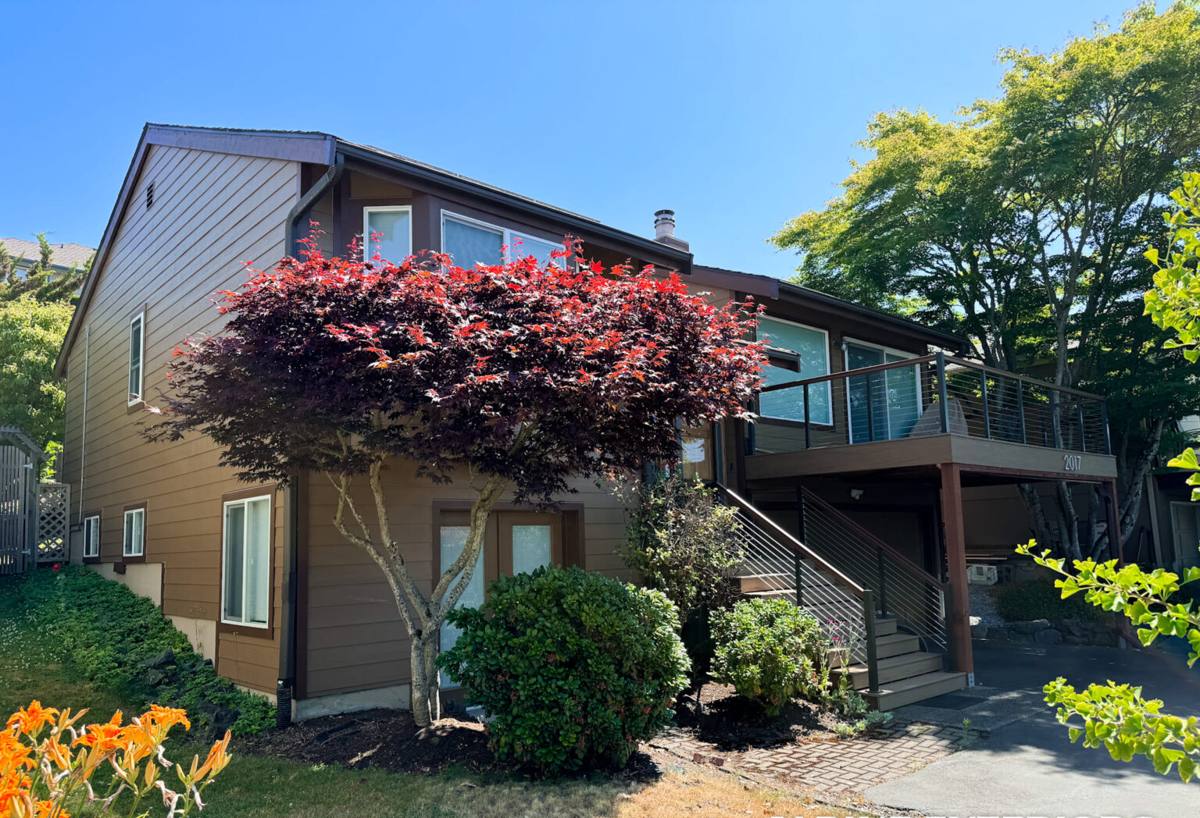
What Birchwood's Climate Actually Does to a Roof
Salt Air and Corrosion
Proximity to Bellingham Bay and the Strait of Georgia means airborne salt travels further inland than most homeowners expect, especially on windy days. Salt accelerates corrosion on exposed fasteners, flashing, and any metal roofing component that isn't rated for coastal exposure. Standard galvanized fasteners can start showing rust streaks years before they should. The fix isn't complicated — it's simply choosing corrosion-resistant materials from the start, which we cover below.
Driving Rain and Wind-Driven Water
Bellingham doesn't just get rain, it gets rain that comes in sideways during winter storms. Wind-driven rain finds its way under shingles that are correctly nailed but under-lapped, around flashing that's sealed but not mechanically locked, and through roof penetrations that rely on caulk instead of proper metal work. A roof designed for a drier climate, or installed to minimum code rather than coastal practice, will leak here eventually — often at the exact seams that would never leak somewhere calmer.
Moss and Organic Growth
Whatcom County's moss season runs long, and shaded, north-facing roof sections in Birchwood's tree-lined lots stay damp for days after a storm passes. Moss isn't just cosmetic — its root structures lift shingle edges, hold moisture against the roof deck, and accelerate granule loss. A new roof installation is the best opportunity to get ahead of this with zinc or copper strips, better attic ventilation to reduce condensation, and a roofing product that resists moss better than what may currently be on the house.
What a Correct New Roof Installation Includes
A roof is a layered system, and every layer matters more here than it would in a mild, dry climate. Skipping or downgrading any one of these is where coastal roofs fail early.
- Tear-off and deck inspection: Full removal of the old roofing so the deck can be checked for rot, soft spots, and delamination — problems that hide under shingles for years in a wet climate.
- Ice-and-water shield at vulnerable areas: Self-adhering waterproof membrane at eaves, valleys, and around penetrations, not just where code requires it.
- Synthetic underlayment rated for wind: A high-quality synthetic underlayment across the full deck as a second line of defense against wind-driven rain.
- Corrosion-resistant flashing and fasteners: Metal chosen for coastal exposure, not the cheapest option that meets minimum code.
- Proper valley and penetration detail: Metal valleys and boot flashing installed to shed water, not just sealed with caulk.
- Balanced attic ventilation: Intake and exhaust venting sized to move moist air out before it condenses and rots the deck from underneath.
- Moss-resistant roofing material and zinc/copper strips: Materials and details chosen specifically to slow moss regrowth in shaded, damp areas.
Roofing Material Options for Birchwood Homes
There's no single "best" roofing material for every house — the right choice depends on the home's exposure, roof pitch, budget, and how much shade the roof gets. Here's how the common options compare for this specific climate.
| Material | Moss Resistance | Salt/Corrosion Behavior | Typical Lifespan Here | Notes |
|---|---|---|---|---|
| Architectural asphalt shingle | Moderate (better with algae-resistant granules) | Good — minimal exposed metal | 20-30 years | Most common, best value, wide style range |
| Standing seam metal | Good — sheds moss better on steep pitches | Excellent when coastal-rated coatings and fasteners are used | 40-50+ years | Higher upfront cost, low long-term maintenance |
| Composite/synthetic shake | Good | Good | 30-50 years | Mimics cedar shake look without the moisture upkeep |
| Cedar shake | Poor without diligent maintenance | Neutral | 20-30 years with upkeep | Requires regular treatment in this climate; higher maintenance burden |
We don't install cedar shake as a first recommendation for shaded, damp Birchwood lots — not because it's a bad product, but because it demands a maintenance schedule most homeowners underestimate in a climate this wet, and neglect shows up fast as moss and rot. If a homeowner wants that look, composite shake gets close with far less upkeep.
A Note on Low-Slope and Flat Sections
Some Birchwood homes have porch roofs, additions, or garage tie-ins with a lower pitch than the main roof. These sections need a different waterproofing approach than standard shingles — typically a membrane system — because water sits longer on a low slope and standard shingle laps aren't designed for standing water. If your home has one of these transition areas, we'll flag it during the inspection rather than treat it like the rest of the roof.
Our Installation Process
- On-site inspection and estimate: We walk the roof, check the attic for ventilation and moisture issues, and measure for an accurate, itemized quote — no guessing from satellite photos.
- Material selection: We go over the tradeoffs above based on your home's exposure, budget, and how much shade the roof gets, and help you land on the right product.
- Tear-off and deck repair: Old roofing comes off completely; any soft or rotted decking is replaced before anything new goes down.
- Waterproofing layers: Ice-and-water shield at critical areas, then full-deck synthetic underlayment.
- Flashing and ventilation work: New corrosion-resistant flashing at valleys, walls, and penetrations; ventilation corrected or upgraded where needed.
- Roofing material installation: Installed to manufacturer specification, not just to minimum code, with attention to nailing pattern and exposure for wind resistance.
- Final walkthrough: We review the finished roof with you, including any maintenance notes specific to your home's exposure and shade.
Signs Your Birchwood Roof May Need Replacing, Not Repairing
Not every roof problem calls for a full replacement, but in a climate this demanding, patch repairs on an aging roof often buy less time than homeowners expect. Watch for:
- Granule loss heavy enough that shingles look patchy or bald in sun-exposed areas
- Persistent moss growth that returns within a season of cleaning
- Soft spots or sagging when walking the roof or viewing it from the attic
- Daylight visible through the roof deck from inside the attic
- Rust streaking or corroded fasteners around flashing and vents
- Multiple isolated leaks appearing in different areas after storms
- A roof already past 20-25 years old with two or more of the above
If your roof shows one or two of these signs, a targeted repair might make sense. If several show up together, that's usually a sign the underlying system — not just the surface — has reached the end of its service life.
Why Local Experience in Birchwood Matters
A crew that only works dry-climate roofs will default to dry-climate habits: standard fasteners, minimum-code underlayment, caulk instead of mechanical flashing. None of that shows up as a problem on day one — it shows up two or three winters later, after enough driving rain and salt exposure has found the shortcuts. Working Whatcom County roofs regularly means knowing which details actually matter here versus which ones are just upsells, and knowing how Birchwood's specific mix of tree cover, water exposure, and roof pitches tends to behave over time.
It also means being available when a storm actually causes a problem, rather than being a phone number from three counties away.
What a New Roof Typically Involves Cost-Wise
Every roof is priced individually based on size, pitch, material, and how much deck repair is needed once tear-off starts — we won't quote a number sight unseen. In general terms, asphalt shingle roofs represent the more affordable end of the range, composite and synthetic shake sit in the middle, and standing seam metal represents a larger upfront investment offset by a much longer service life and lower long-term maintenance. Steeper roofs, multiple valleys, and extensive deck repair all add cost regardless of material chosen. The only way to get an honest number is a physical inspection, which is why our estimates start there rather than with a phone quote.
Maintaining Your New Roof in a Wet Climate
A correctly installed roof still benefits from basic upkeep in Bellingham's climate:
- Keep gutters clear so water doesn't back up under the roof edge during heavy rain
- Trim back overhanging branches to reduce shade and debris buildup that feeds moss
- Have moss growth removed gently before it spreads, rather than waiting for a full season of growth
- Schedule a periodic visual inspection, especially after major windstorms
None of this replaces a well-built roof, but it extends the life of one and helps catch small issues before they become deck-level problems.
If your Birchwood home needs a new roof, or you're not sure whether what you have is repairable, we're happy to take a look. Fill out the form below for a free, no-pressure estimate — we'll walk the roof, answer your questions honestly, and give you a real number, not a guess.