 Bellingham
 Roof Repair in Cordata: A Different Job Than a New Install
Cordata sits on the north side of Bellingham, close enough to the water and the open flats along I-5 to catch the full range of what Whatcom County weather does to a roof over time. Repair work here is its own trade skill, separate from putting on a brand-new roof. A repair call means diagnosing why water, wind, or moss got past a system that was supposed to keep them out, then fixing that specific failure without disturbing everything around it that's still working fine. Get the diagnosis wrong and you can spend money patching a symptom while the real leak path keeps running water into the attic every time it rains.
This page is about that one job — roof repair for homes in and around Cordata — not a full tear-off and replacement. If your roof is fundamentally sound but has a leak, storm damage, a moss problem, or a flashing failure, this is what a correct repair actually involves and how we approach it.
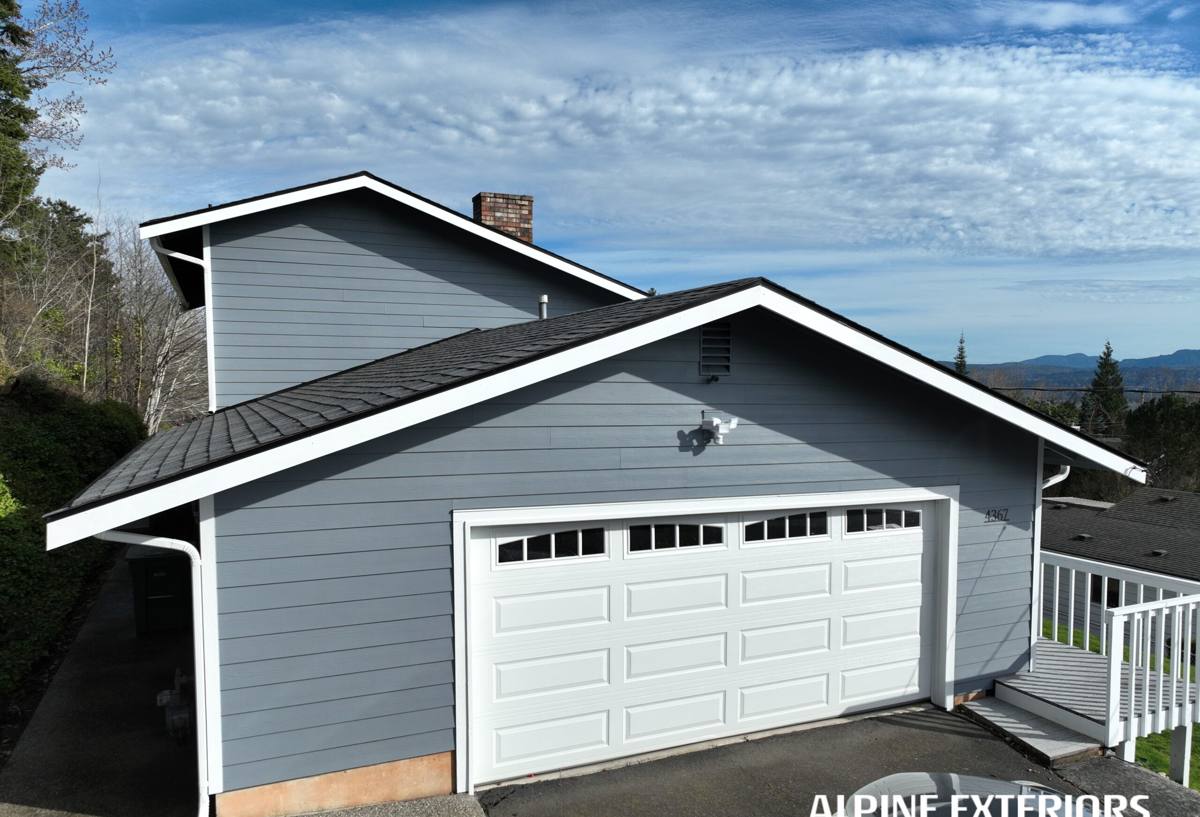
What Bellingham's Climate Does to a Roof That's Already Under Stress
Salt Air and Corrosion
Cordata isn't right on the water, but Bellingham's marine air still moves through the whole city, carrying a low level of salt and moisture that settles on exposed metal day after day. Nails, flashing, and fasteners that are undersized or lower-grade corrode faster here than they would in a drier inland climate. That corrosion is slow and quiet — it rarely announces itself until a flashing seam finally gives out and water starts tracking into the roof deck underneath.
Driving Rain
Rain in this part of Whatcom County doesn't just fall straight down. Storms off the water push it sideways, which forces moisture up and under shingle edges, into valleys, and behind flashing that would hold up fine against a calmer, vertical rainfall pattern. A lot of the repair calls we get aren't from a single dramatic storm — they're from years of wind-driven rain finding the same small gap over and over until it finally shows up as a stain on a ceiling.
A Long Moss Season
Between the mild temperatures, tree cover common around Cordata's residential streets, and consistent dampness, moss has a long growing window here — often most of the year on shaded or north-facing roof planes. Moss isn't just cosmetic. It holds water against the roofing material, works its way under shingle tabs and around fastener heads, and accelerates the exact kind of rot and granule loss that eventually turns into a leak.
Signs a Cordata Roof Needs Repair
Roofs rarely fail without warning. The signs are usually there well before water reaches the inside of the house — the question is whether anyone's looking for them.
- Water staining on ceilings or in the attic, especially near valleys, chimneys, or skylights
- Shingles that are curling, cracked, or missing after a windstorm
- Granules building up in the gutters, a sign shingles are wearing thinner than they should be at this point
- Visible moss buildup or dark streaking on shaded roof slopes
- Soft or spongy spots on the roof deck, or sagging along the roofline
- Daylight visible through the attic roof boards, or a musty smell in the attic
- Flashing that's visibly lifted, rusted, or separated from a wall, chimney, or vent pipe
What a Correct Roof Repair Actually Involves
Finding the Real Leak Path First
Water rarely enters a roof at the same spot where the stain shows up inside. It can travel along a rafter or across the underlayment before dripping somewhere else entirely. A repair that starts with actually getting on the roof and in the attic to trace that path is a different job than one that just re-caulks whatever looks damaged from the ground. Skipping this step is the single biggest reason repairs fail to hold.
Flashing Repair
Because most leaks in this climate start at flashing rather than in the open shingle field, a proper repair often means removing the shingles around a valley, chimney, or wall intersection, replacing corroded or improperly lapped flashing, and integrating it back into the underlayment correctly — not just running a bead of sealant over the visible gap and calling it done. Sealant is a short-term fix at best; it's not a flashing system.
Shingle and Decking Repair
Damaged shingles get pulled and replaced with matching product where possible, woven back into the surrounding courses so the repair doesn't stand out as an obvious patch. If water has been getting in long enough to soften or rot the plywood decking underneath, that section of decking has to come out and be replaced before new shingles go back down. Shingling over rotten decking just hides the problem for another season.
Moss Removal and Treatment
Moss should be removed by hand or with a soft-wash method rather than pressure-washed, which can strip granules and shorten the life of the shingles it's meant to protect. Once it's cleared, a zinc or copper treatment strip along the ridge helps slow regrowth on shaded slopes, though it's a mitigation measure, not a permanent fix on a roof plane that stays wet and shaded most of the year.
Ventilation Checks
A repair call is also a good moment to check attic ventilation. Poor intake or exhaust airflow traps moisture under the roof deck, which speeds up both rot and moss growth from underneath at the same time weather is working against the roof from above. Fixing a leak without addressing bad ventilation sometimes means treating the same symptom again in a couple of years.
Repair vs. Replacement: How We Make That Call
Not every problem roof needs a new roof. But a repair that's really just delaying an inevitable full replacement isn't doing you any favors either. Here's generally how the decision breaks down.
| Situation | Usually Repair | Usually Replacement |
|---|---|---|
| Age of roofing material | Roof is well within its expected service life | Roof is at or past the end of its typical lifespan for its material |
| Extent of damage | Isolated to one section, valley, or penetration | Damage or wear is spread across multiple roof planes |
| Decking condition | Decking is sound except in a small, localized area | Widespread soft spots or rot found across the roof |
| Leak history | First occurrence, clear single cause identified | Recurring leaks in different spots over time |
| Underlayment condition | Still intact and performing under the shingles | Underlayment has broken down or was never adequate |
We'll tell you plainly which category your roof falls into rather than defaulting to whichever job is bigger. A lot of the time, a well-executed repair is genuinely the right call and buys years of additional life.
Our Process for a Cordata Roof Repair Call
- In-person inspection: We get on the roof and into the attic ourselves to trace the actual leak path, rather than quoting from a description over the phone.
- Honest scope and written estimate: You get a clear explanation of what's actually failing, what repair options exist, and a written price before any work starts.
- Repair the root cause: Flashing, decking, shingles, or ventilation — whichever combination is actually driving the problem, not just the visible symptom.
- Match materials where it matters: We use shingles and flashing that blend into the existing roof where appearance matters, and materials that meet current spec where performance matters more than matching.
- Site cleanup and walkthrough: We do a full magnetic nail sweep and walk the finished repair with you before considering the job done.
Why Hiring a Crew That Already Works in Cordata Matters
A crew that regularly repairs roofs in and around Cordata has already seen how salt air corrodes weak flashing metal, how driving rain finds its way through a poorly lapped valley, and which roof orientations in this neighborhood hold moss longest through the wet months. That's the kind of knowledge that shows up in small decisions during a repair — where to extend the flashing replacement a little further than the visibly damaged section, or when a patch is genuinely enough versus when it's setting the homeowner up for a repeat call next winter.
It also matters that a repair often exposes damage nobody could see beforehand — rotten decking under a small section of shingles, for example. A crew with an honest track record tells you what they found and why the scope changed, rather than either padding the job or quietly doing less than the roof actually needs.
What Roof Repair Costs Depend On
| Factor | Why It Matters |
|---|---|
| Cause and location of the leak | A flashing repair at one valley is a smaller job than tracing and fixing multiple leak points |
| Decking condition once opened up | Rotten plywood found underneath adds material and labor beyond the original visible damage |
| Shingle matching availability | Older or discontinued shingle colors can be harder to match seamlessly than newer, common profiles |
| Roof pitch and access | Steeper roofs or difficult access add labor time and safety staging |
| Moss extent and treatment | Heavy, long-established moss takes more time to remove safely than light surface growth |
Real numbers depend on what we actually find once we're on the roof, which is why we walk the job in person rather than pricing repairs sight unseen.
After the Repair: A Simple Maintenance Checklist
A good repair holds up longer when a few basic habits keep new problems from developing in the same spots.
- Have gutters cleaned at least twice a year so water isn't backing up under the roof edge
- Walk the yard after major windstorms and look for shingle debris or lifted flashing
- Keep overhanging branches trimmed back to reduce shade and debris buildup on the roof
- Address small moss patches early, before they spread across a full roof plane
- Check the attic once a season for new staining, dampness, or odd smells
- Have the roof looked at after any repair's first full wet season to confirm it held
If your roof in Cordata has a leak, storm damage, or a moss problem you'd like an honest opinion on, we're glad to take a look. Use the form below to request a free, no-pressure estimate.