 Bellingham
 Metal Roofing in Sehome: A Roof Built for This Part of Bellingham
Sehome is one of Bellingham's older, more established neighborhoods, with a mix of home ages, roof pitches, and tree cover that varies block to block. What doesn't vary much is the weather. Homes here sit close enough to the water to pick up salt-laden air, close enough to the hills and tree canopy to stay shaded and damp for long stretches, and squarely in the path of the driving, wind-blown rain that rolls through Whatcom County most of the year. That combination is hard on any roofing material, but it's especially hard on the ones that depend on surface coatings or granule layers to hold up over time.
Metal roofing has become a popular answer for Sehome homeowners who are tired of dealing with moss, algae streaking, and shortened roof life. Done correctly, a metal roof shrugs off the moisture and moss pressure that wears down other materials, and it does it for decades rather than years. Done incorrectly — wrong fastener spacing, missed underlayment details, poor flashing at valleys and penetrations — a metal roof can leak and fail just as fast as anything else. This page is about what a correct metal roofing job looks like for a Sehome home, and what to expect from a crew that actually understands this neighborhood's conditions.
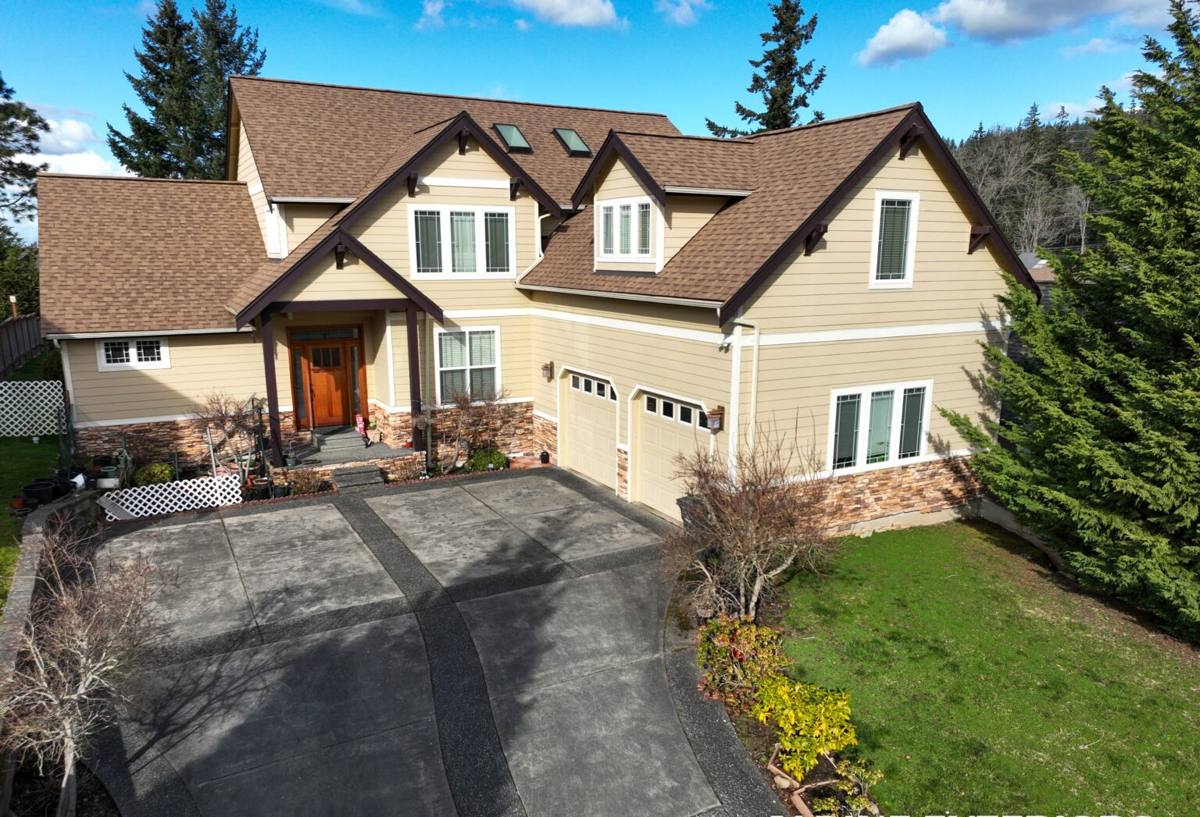
Why Sehome's Climate Puts Extra Demands on a Roof
A few local conditions matter more here than they do in drier parts of the country:
Salt Air
Proximity to Bellingham Bay means airborne salt is a real factor for roofing materials, especially exposed metal fasteners and any bare or poorly coated metal. Salt exposure accelerates corrosion on the wrong grade of steel or on hardware that isn't rated for a coastal environment.
Driving Rain
Whatcom County rain rarely falls straight down. Wind pushes it sideways and up under laps, seams, and flashing that would be fine in a calmer climate. Roofing details that work on paper can still leak here if they weren't built with wind-driven rain in mind.
Long Moss Season
Shade, moisture, and mild temperatures for much of the year add up to a moss season that runs far longer than most homeowners expect. Moss holds water against a roof surface, works its way under laps and shingle tabs, and is one of the single biggest reasons asphalt and wood roofs in this area fail early. Metal roofing gives moss almost nothing to hold onto.
What a Correct Metal Roof Installation Actually Involves
Metal roofing looks simple from the ground — long, clean panels and straight seams — but the installation work that makes it perform for 40-plus years happens in layers most people never see.
- Deck inspection and repair: Any soft, rotted, or delaminated sheathing gets replaced before a single panel goes down. Installing over a bad deck just hides a problem.
- Underlayment: A synthetic or high-temp underlayment goes down as the water-resistant barrier beneath the metal, with extra protection at eaves and valleys where wind-driven rain concentrates.
- Ice and water protection at vulnerable areas: Valleys, eaves, and roof-to-wall transitions get self-adhering membrane, not just underlayment, because that's where backed-up water and wind-driven rain do the most damage.
- Fastener selection: Fasteners and clips need to match the panel metal to avoid galvanic corrosion, and they need to be rated for coastal exposure. This is one of the most common corners cut by crews unfamiliar with near-water installs.
- Panel layout and seaming: Panels are run and seamed (or fastened) according to the manufacturer's wind and water specifications, not just "close enough."
- Flashing at every penetration: Chimneys, vents, skylights, and wall transitions all need custom-formed flashing, not generic trim pieces bent to fit.
- Ventilation: Proper intake and exhaust airflow under the metal prevents condensation from forming on the underside of the panels, which is a real risk if the attic isn't breathing correctly.
Skip or rush any one of those steps and the roof may look fine for a year or two before the real problems show up — usually as a leak at a valley or penetration, or corrosion at a fastener line.
Choosing the Right Metal Roofing System for Your Home
Not every metal roof is the same product wearing a different color. The two systems most homeowners in Sehome end up comparing are standing seam and exposed-fastener (screw-down) panels.
| Factor | Standing Seam | Exposed-Fastener Panel |
|---|---|---|
| How it's attached | Concealed clips under raised seams — no exposed fasteners on the roof face | Screws driven through the panel face, typically with rubber washers |
| Long-term maintenance | Very low — nothing on the surface to loosen or corrode | Washers and screws age over time and eventually need inspection or replacement |
| Coastal/salt-air performance | Excellent — fewer exposed metal-to-metal or metal-to-rubber contact points | Good with the right fastener grade, but more exposure points to manage |
| Upfront cost | Higher | More moderate |
| Best fit | Homeowners planning to stay long-term or prioritizing minimal upkeep | Homeowners balancing budget with a still-durable, moss-resistant roof |
Both systems, installed correctly, are a major upgrade over asphalt or wood shake in a moss-heavy, wind-driven-rain climate like this one. The right choice usually comes down to budget, how long you plan to own the home, and how much roof maintenance you want to think about going forward.
Moss and Moisture: Where Metal Roofing Earns Its Keep in Sehome
Asphalt shingles have a rough, granulated surface that gives moss spores something to grab onto, and that surface holds moisture against the roof for days after a rain event. In a neighborhood with as much tree cover and shade as parts of Sehome have, that's a recipe for a moss problem within a few years of a new asphalt install.
Metal panels have a smooth, hard surface with nowhere for moss to establish roots, and water sheets off quickly instead of sitting. That doesn't mean a metal roof will never see a stray patch of moss or algae staining in shaded, low-slope areas — it can, especially where debris is allowed to pile up in valleys. But it means the roof isn't fighting a losing battle against moisture the way a shingle roof is. Keeping gutters and valleys clear of needles and leaf litter is still worth doing on a metal roof; it just isn't the make-or-break maintenance item it is on other materials.
Our Process, From Estimate to Cleanup
Homeowners generally want to know two things upfront: what we're actually going to do, and how much it's going to disrupt their week. Here's the shape of a typical metal roofing project:
- On-site evaluation: We walk the roof and attic, check the deck condition, note valleys, penetrations, and any existing moss or moisture damage, and talk through panel options.
- Written estimate: A clear scope of work and price, with no vague allowances hiding in the fine print.
- Tear-off or overlay decision: Depending on the existing roof's condition, we'll recommend a full tear-off (usually the better long-term choice) or, in limited cases, installation over an existing deck.
- Installation: Deck repair as needed, underlayment and membrane at vulnerable areas, panels, custom flashing, and ventilation work, in that order.
- Final walkthrough and cleanup: Site cleaned of debris and fasteners, and a walkthrough so you know exactly what was done and where.
Weather windows matter for scheduling in this climate — we plan installs around Whatcom County's rain patterns rather than rushing a roof onto a home between storm systems.
What Affects the Cost of a Metal Roof
| Cost Factor | Why It Matters |
|---|---|
| Panel system (exposed-fastener vs. standing seam) | Standing seam costs more upfront but needs less long-term upkeep |
| Roof complexity | Steep pitches, multiple valleys, dormers, and chimneys all add labor and flashing work |
| Deck condition | Rot or soft sheathing found during tear-off adds repair cost, but skipping repairs isn't an option |
| Tear-off vs. overlay | A full tear-off costs more but gives an honest look at the deck and avoids trapping moisture under old material |
| Metal gauge and coating | Heavier gauge and better coatings cost more but hold up longer against salt air and driving rain |
Metal roofing costs more upfront than asphalt shingles, generally by a meaningful margin. The trade-off is a roof that's typically rated to outlast two or more asphalt roof cycles, with far less moss and moisture maintenance along the way. We'll walk through real numbers for your specific roof during an on-site estimate rather than quoting a number that doesn't account for your home's pitch, size, and condition.
Simple Maintenance That Keeps a Metal Roof Performing
Metal roofing is low-maintenance, not no-maintenance. A short annual routine goes a long way in this climate:
- Clear needles, leaves, and debris from valleys and around penetrations before fall rains set in
- Keep gutters and downspouts flowing so water isn't backing up under eave flashing
- Trim back overhanging branches that keep sections of the roof shaded and damp
- Do a visual check after major windstorms for lifted flashing or debris impact
- Have a professional inspection every few years, especially on older installs, to catch fastener or sealant wear early
Why It Matters to Hire a Crew That Already Works in Sehome
Roofing crews that mostly work drier, inland climates can install a technically correct roof on paper and still miss the details that matter here — under-detailing a valley for wind-driven rain, spacing fasteners for a climate that doesn't see much wind, or specifying hardware that isn't built for salt air. A crew that regularly works in Sehome and the surrounding Bellingham area already knows how the rain moves across these roof shapes, how long the moss season really runs, and which details can't be shortcut this close to the water.
That local familiarity shows up in the small decisions — where extra membrane goes, how flashing is formed at a tricky transition, which fasteners get specified — that separate a metal roof that performs for decades from one that needs attention in year three.
If you're weighing metal roofing for a home in Sehome, we're happy to take a look and walk you through what your specific roof needs. The estimate is free, there's no pressure, and you'll get a straight answer about what the job actually involves — just fill out the form below to get started.