 Bellingham
 Window Installation Built for South Hill's Climate Reality
South Hill sits up on the elevated ground above downtown Bellingham, and that elevation cuts both ways. The views are part of why people love living there, but that same exposure means homes on South Hill catch wind and weather that lower, more sheltered parts of the city don't feel as hard. Add in the mix of older, architecturally varied homes that make up much of the neighborhood, and window installation here isn't a job you want handled the same way you'd handle a tract-built subdivision somewhere inland. Whatcom County's marine climate is demanding enough on its own; a hillside neighborhood with a lot of older window openings raises the stakes further.
This page focuses on one thing: what window installation actually requires to hold up on South Hill, and how we approach that job when we're on-site.
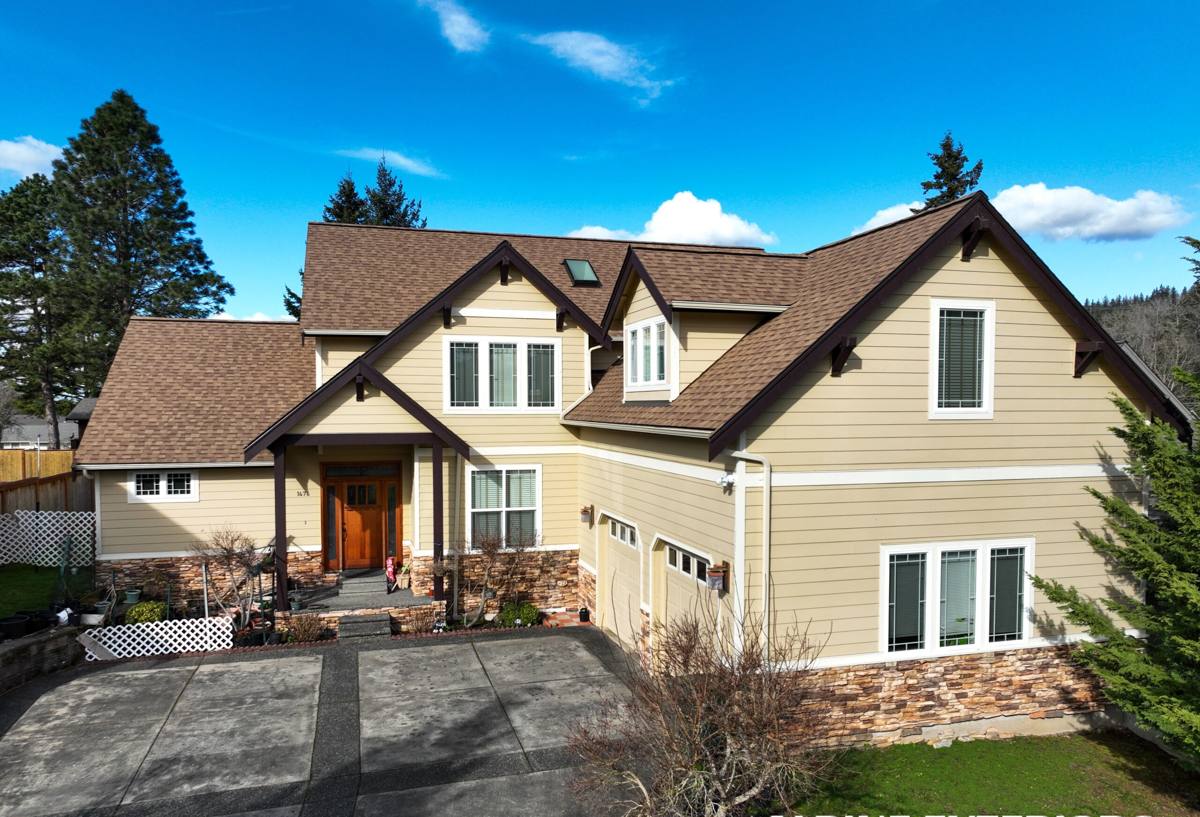
What Whatcom County's Marine Climate Does to Windows
Salt Air and Coastal Moisture
Bellingham sits on the bay, and the air moving across it carries a steady dose of moisture and salt, even on days that don't feel particularly stormy. Over years, that exposure works on window hardware, weatherstripping, and lower-grade frame materials in ways that are slow and easy to miss until a window starts sticking, fogging between panes, or letting in drafts that weren't there when it was new.
Driving Rain and Wind Exposure
Rain in this part of Washington rarely falls straight down. Wind off the water pushes it sideways, and a window installation that would perform fine somewhere calmer and drier can still fail here because the water is hitting the flashing, the sill, and the trim from an angle a basic install doesn't account for. On South Hill specifically, the added elevation and open exposure on many lots mean that wind-driven rain effect is often more pronounced than it is on more sheltered streets closer to sea level.
A Long Moss and Mildew Season
Mild temperatures, consistent dampness, and heavy tree cover across Whatcom County add up to a moss and mildew season that can run most of the year on shaded exposures. Around windows, that shows up as dark streaking below sills, soft or discolored trim, and, in bad cases, moisture finding its way past a failed seal into the wall cavity behind the window.
Why South Hill Homes Need Extra Attention
A few things about South Hill's housing stock and setting change what a good window installation job actually involves:
- Older window openings: Many homes on South Hill were built well before modern window sizing became standardized, so rough openings are often out of square or sized for windows that no longer exist off the shelf. That means more careful measuring and, sometimes, custom or near-custom units rather than a simple swap.
- Elevation and wind exposure: Higher ground and more open sightlines mean more direct wind loading on window assemblies than homes tucked into lower, more protected parts of the city.
- Mixed architectural styles: South Hill has a wider range of home styles and eras than a lot of newer developments, which means matching trim profiles, sightlines, and grille patterns takes more judgment than picking a standard builder-grade unit.
- Mature landscaping: Established trees are part of the neighborhood's character, but they also mean more shade on certain walls, more debris in gutters and window wells, and more of that extended moss season working against poorly sealed installations.
What a Correct Window Installation Involves
Flashing and Water Management
The window itself is rarely where a failed installation actually fails. It's almost always the flashing and water management detail around it — how the house wrap is integrated with the window flange, how the sill pan is built to direct any water that gets past the outer seal back out instead of into the wall, and how the head flashing sheds water down and away rather than letting it pool. Skipping or rushing this step is the single most common reason a window installation causes rot years later, and it's the step that's invisible once trim goes back on.
Proper Fit and Rough Opening Prep
On an older South Hill home, the rough opening is rarely perfectly square or plumb. A correct installation means checking and, where needed, correcting the opening before the window goes in, not forcing an out-of-square window into an out-of-square hole and hoping shims and caulk make up the difference. A window that's racked even slightly will bind, won't seal evenly, and will wear its hardware unevenly over time.
Insulation and Air Sealing
The gap between the window frame and the rough opening needs to be insulated and air-sealed correctly — not overpacked with expanding foam, which can bow the frame and cause operational problems, and not left with big voids that turn into cold spots and condensation points inside the house during Bellingham's cooler, damp months.
Choosing the Right Window for This Climate
Frame material matters as much as brand name in a marine climate like this one. Here's how the common options generally compare for a coastal Whatcom County home:
| Frame Material | Moisture Resistance | Maintenance | Typical Lifespan |
|---|---|---|---|
| Vinyl | Good; won't rot, but seams and welds are the weak point over time | Low | 20-30 years |
| Fiberglass | Very good; dimensionally stable in wet and temperature swings | Low | 30-40+ years |
| Wood-clad | Depends on cladding integrity; exposed wood interior needs a dry environment | Moderate to high | Varies widely with upkeep |
| Aluminum | Prone to condensation and conductivity issues in cold, damp climates | Low | 20-30 years, hardware-dependent |
There's no single "correct" material for every home — a wood-clad window can be the right call on a character home where matching the original look matters, provided the owner understands the maintenance commitment. What matters more than the label on the frame is whether the glazing is rated for this climate and whether the installation around it is done right, because even the best window on the market will underperform if it's installed into a bad opening with poor flashing.
Our Window Installation Process for South Hill Homes
- On-site assessment: We look at existing window condition, rough opening sizes, current flashing and trim, and any signs of past water intrusion before we recommend anything.
- Measuring and ordering: Given how many South Hill homes have non-standard openings, we measure carefully and account for units that may need to be sized outside a standard catalog range.
- Careful removal: Old windows and their surrounding trim come out without unnecessary damage to siding, wrap, or framing that we'll need intact for the new install.
- Opening prep and correction: Any rot, out-of-square framing, or damaged sheathing gets addressed before a new window goes in — not covered over.
- Installation and flashing: The window is set, shimmed, and sealed with a proper sill pan and flashing sequence, then insulated and air-sealed around the frame.
- Exterior and interior finish: Trim, caulking, and paint or stain lines are finished to match the surrounding wall, inside and out.
- Final check: We test operation, look for any gaps or drafts, and walk the job with the homeowner before we call it done.
Signs Your South Hill Home Needs New Windows
A few reliable indicators that it's time to look at replacement rather than another repair:
- Visible fog or moisture trapped between panes of double-glazed units
- Windows that stick, won't stay open, or are difficult to lock
- Cold drafts near the window frame even when it's fully closed
- Soft, discolored, or crumbling wood trim or sill material
- Visible daylight or gaps around the frame from outside
- A noticeable rise in heating costs without another clear cause
- Dark streaking, moss, or mildew concentrated below or around the window
Why a Local Crew That Works South Hill Matters
Window installation isn't a job where general experience automatically translates to good results on every home. A crew that's worked in South Hill has already run into the older, non-standard openings, the wind exposure at elevation, and the mix of architectural styles this neighborhood has, so they're not solving those problems for the first time on your house. That familiarity shows up in fewer surprises mid-job, more accurate initial estimates, and a finished install that actually accounts for how this specific stretch of Bellingham weather behaves rather than a generic approach that happens to work most places.
It also matters for something less visible: knowing what a properly flashed, properly sealed window on a South Hill home is supposed to look like once the trim is back on, and being willing to slow down and fix a rough opening instead of forcing a window into it. That's a standard that's hard to hold to if you're not regularly doing this work in this specific climate and on this specific kind of housing stock.
Get a Free, No-Pressure Estimate
If your South Hill home has windows that are drafty, fogged, hard to operate, or just original to a much older build, we're glad to come take a look and give you an honest read on what's going on and what it would take to fix it. There's no pressure and no obligation — just a straightforward assessment from a crew that already knows this neighborhood and this climate. The form below is the fastest way to get started.