 Bellingham
 Windows Built for the Way York Homes Actually Weather
Homes in the York neighborhood see a specific combination of weather stress that doesn't show up the same way in drier parts of the country. Bellingham sits close enough to the water that salt-laden air reaches siding, trim, and window hardware year-round. Add Whatcom County's long stretch of driving rain each fall and winter, plus the shaded, damp conditions that let moss and algae take hold on north-facing walls and rooflines, and you have a climate that is genuinely hard on windows. Frames swell and shrink with moisture cycles, seals fail earlier than their rated lifespan, and hardware corrodes faster than manufacturers' spec sheets assume for a "typical" installation.
Custom windows aren't just about matching an odd-sized opening in an older York home, although that's often part of it. It's about choosing materials, glazing, and installation details that are matched to this specific climate rather than a generic national average. A window that performs well in a dry inland climate can still underperform here if it isn't installed and detailed correctly for sustained wet weather.
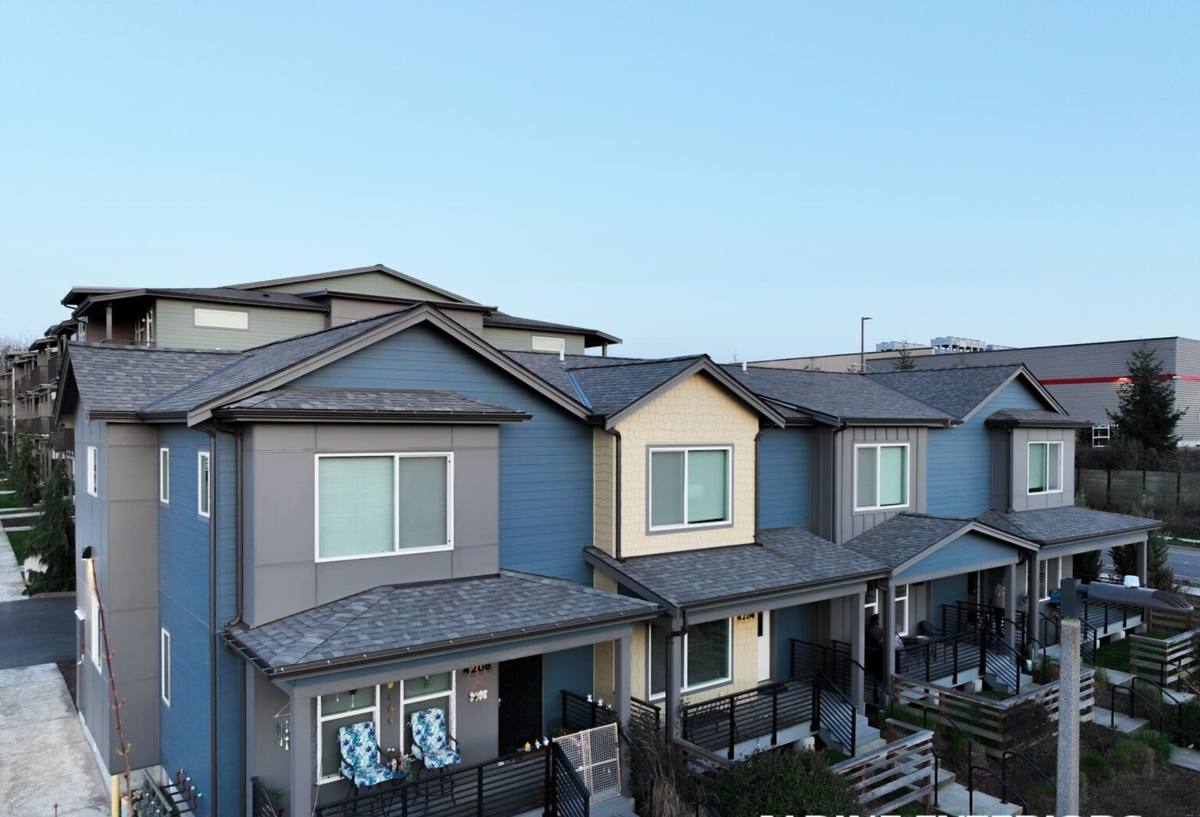
What Local Homes Need From a Window Replacement
Moisture Management First, Aesthetics Second
The single biggest factor in how long a window lasts in this area isn't the brand printed on the frame — it's how well moisture is managed at the rough opening. Flashing, sill pans, and weather-resistant barrier integration matter more here than in drier regions because the window will be tested by wind-driven rain many times a year, not occasionally. A beautiful window installed without proper flashing will eventually leak into the wall cavity, and by the time it shows up as a stain on interior trim, there's often already rot behind it.
Condensation and Indoor Humidity
Older single-pane or early dual-pane windows in York homes tend to show heavy condensation on cold mornings, which is a sign the glazing and frame are no longer keeping indoor humidity from hitting the dew point at the glass surface. Persistent condensation isn't just a nuisance — it's what feeds window-sill mold and slowly degrades wood trim. Correctly specified glass packages and frame materials reduce this dramatically.
Resistance to Moss, Algae, and Salt-Related Wear
Vinyl and fiberglass frames handle the area's moss and algae exposure better than bare wood, and factory-finished hardware resists the slow corrosion that salt air causes on cheaper fasteners and locking mechanisms. None of this means wood windows are off the table — many York homes call for them to match period detailing — but it does mean the finish, cladding, and hardware spec need to be chosen deliberately rather than defaulted to whatever is cheapest.
Choosing the Right Window Material for This Climate
| Material | How It Handles Salt Air & Rain | Maintenance | Best Fit |
|---|---|---|---|
| Vinyl | Won't corrode or rot; performs consistently in wet, salty conditions | Low — occasional cleaning | Budget-conscious replacements, rental or rear-facing windows |
| Fiberglass | Excellent — dimensionally stable, resists moisture-driven expansion and contraction | Low | Long-term durability, larger openings, energy performance priority |
| Wood-clad (exterior clad, wood interior) | Good if cladding and flashing are correct; interior wood needs to stay dry | Moderate | Historic or period-detail homes where wood interior trim matters |
| Solid wood | Vulnerable without diligent maintenance in this rain and moss exposure | High | Restoration projects where matching original material is the priority |
| Aluminum | Prone to condensation and corrosion near salt air unless thermally broken | Moderate | Rarely our first recommendation for this area; situational use only |
We don't push one material for every home. What matters is being honest about the trade-offs — a solid wood window can be the right architectural choice for a York home with real character, but the homeowner should know going in what upkeep that requires in this rain and moss exposure, versus a fiberglass or clad option that trades a bit of "traditional" look for a lot less maintenance.
Signs Your Current Windows Are Past Their Service Life
- Fogging or a permanent haze between panes — the seal has failed and the gas fill is gone
- Soft or spongy wood at the sill or lower corners of the frame
- Windows that are difficult to open, close, or lock — frame movement from moisture cycling
- Visible moss, algae, or dark streaking on the frame or sill that keeps returning after cleaning
- Drafts you can feel near the frame edge, even with the window fully latched
- Paint that bubbles or peels repeatedly on interior trim near the window
- A noticeable rise in heating costs without any other obvious cause
Any one of these can be minor on its own. Two or three together, especially on a wall that faces prevailing weather, usually means it's time to plan a replacement before hidden rot spreads further into the wall structure.
What a Correct Installation Actually Involves
Before the New Window Goes In
We remove the old unit and inspect the rough opening for hidden water damage — this is the step that gets skipped by crews trying to move fast, and it's the one that matters most in a climate like ours. Any soft framing, compromised sheathing, or failed weather barrier gets addressed before anything new is installed. Installing a premium window over a wet, damaged opening just hides the problem behind new trim.
Flashing and Air Sealing
Sill pans, properly lapped flashing tape, and correct integration with the existing weather-resistant barrier are non-negotiable steps for us, not upsells. This is what keeps wind-driven rain from finding its way behind the window over the coming years of Whatcom County winters.
Setting, Shimming, and Sealing
The window is set level and plumb, shimmed at the manufacturer's specified points to avoid frame distortion, and sealed with exterior-grade sealant rated for this climate's temperature and moisture swings. Interior air sealing is finished separately from exterior weatherproofing — the two aren't interchangeable.
Finish Work and Cleanup
Exterior trim, caulking, and touch-up paint or stain are completed to match the surrounding siding, and interior trim is reinstalled or replaced as needed. We clean up job debris and old window materials before we consider the job done.
Our Process, Start to Finish
- Free on-site estimate — we look at your actual openings, note any signs of existing rot or moisture issues, and talk through material options honestly.
- Custom measurement and ordering — every opening is measured individually rather than assumed to match a standard size, which matters in older York homes with settled or slightly irregular framing.
- Scheduled installation — we plan around the weather where possible, since opening up a wall to wind-driven rain is never ideal.
- Flashing, sealing, and finish work — done to the standard described above, not a shortcut version.
- Final walkthrough — we check operation, sealing, and finish with you before calling the job complete.
What Affects the Cost of a Window Project
| Factor | Why It Matters |
|---|---|
| Frame material | Vinyl is typically the most budget-friendly; fiberglass and wood-clad cost more upfront but often less over time in maintenance |
| Glass package | Low-E coatings and gas fills improve comfort and condensation resistance, especially valuable in our humid, mild-winter climate |
| Opening condition | Rot repair or reframing behind an old window adds cost but is not optional once discovered |
| Number and size of openings | Larger or custom-shaped windows require more material and labor time |
| Access and site conditions | Second-story or hard-to-reach windows take longer to stage and install safely |
We give straightforward, itemized estimates so you can see where the cost is actually going, rather than a single lump number that hides which choices are driving the price.
Why Working With a Crew That Already Knows York Matters
Window performance in this part of Whatcom County isn't theoretical — it's determined by how a specific home sits relative to prevailing wind and rain, how much shade and moisture its north or west walls hold onto, and how the existing siding and trim were originally detailed. A crew that regularly works in and around York has already seen how homes in this area tend to fail and what actually holds up. That familiarity shows up in small decisions — which flashing detail to use on a particular siding type, when solid wood is worth the upkeep and when it isn't, how to sequence work around a wet forecast — that a crew unfamiliar with the area's climate patterns might not think to make.
It also means a shorter feedback loop if something needs a follow-up adjustment after the first real rain event tests the new installation.
After Installation: Keeping Windows Performing Long-Term
- Rinse frames and tracks periodically to keep salt residue and moss spores from building up
- Check and clear weep holes on vinyl and fiberglass frames so water can drain properly
- Inspect exterior caulking annually and touch up any cracking before wet season
- Keep gutters and downspouts clear so runoff isn't sheeting directly over window heads
- Address any new condensation or operation issues early rather than waiting
None of this is heavy maintenance, but a little attention twice a year goes a long way in this climate compared to a "set it and forget it" approach.
If your York home's windows are showing their age — fogged glass, drafts, sticking sashes, or recurring moss and staining — we're happy to take a look and give you a straightforward, no-pressure estimate. Use the form below to get started.