 Bellingham
 Why York Homes Need a Roof Built for This Exact Climate
The York area sits close enough to the water and the tree line that its roofs take a different kind of beating than roofs twenty miles inland. Salt-laden air off the Puget Sound corrodes bare or poorly coated metal faster than most homeowners expect, wind-driven rain finds every gap in a flashing detail that would hold up fine in a drier climate, and the long moss season here in Whatcom County packs organic growth into any seam or valley that doesn't shed water fast enough. A metal roof that's specified and installed correctly handles all three of these things well. One that isn't can fail in ways that are expensive to fix and easy to have prevented.
This page is about metal roofing specifically for York homes — what the local climate demands, what a correct installation actually looks like, and how we approach the job from first estimate to final walkthrough.
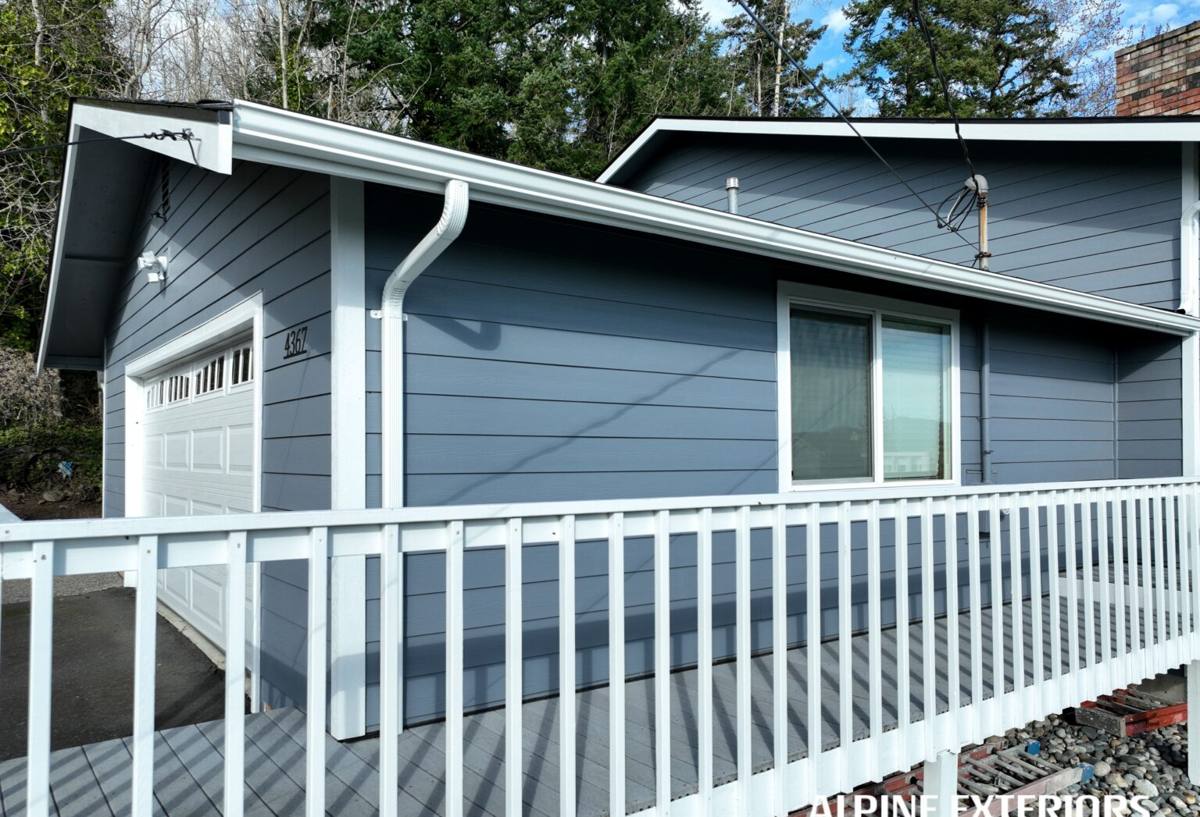
What Bellingham's Climate Does to a Roof Over Time
Salt Air and Corrosion
Homes closer to the water deal with airborne salt that settles on every exterior surface, including the roof. Untreated or low-grade fasteners and cut edges are the first place this shows up — you'll see rust bleeding down a panel seam or around a screw head long before the panel itself fails. The fix isn't complicated, but it has to be planned for from the start: coated fasteners, factory-sealed panel edges, and a finish rated for coastal exposure.
Driving Rain and Wind
Storms coming off the Sound don't always arrive straight down — wind pushes rain sideways and up under laps, ridge caps, and anywhere flashing meets a wall, chimney, or skylight. A roof that only has to shed water falling straight down will leak here. Every transition point needs to be detailed for wind-driven rain, not just gravity.
Moss, Shade, and Slow Drying
York's tree cover keeps a lot of roofs shaded for long stretches of the year, which means slower drying after every rain. Moss and lichen take hold fastest in valleys, north-facing slopes, and anywhere debris collects. On metal roofing, moss itself doesn't damage the panel the way it can undermine shingles, but debris buildup traps moisture against fasteners and seams, which is exactly where corrosion and small leaks start.
What a Correct Metal Roofing Installation Actually Involves
Metal roofing looks simple from the ground, but the difference between a roof that lasts decades and one that causes problems in five years comes down to details most homeowners never see.
Deck Inspection and Prep
We don't install over a deck we haven't checked. Soft spots, old fastener holes, and trapped moisture from a prior roof all get addressed before a single panel goes down. Skipping this step is one of the most common shortcuts in the trade, and it's the one that causes the most expensive failures later.
Underlayment Choice
A synthetic or self-adhered underlayment rated for high-moisture climates matters more here than in drier parts of the state. It's the backup layer that protects the deck if wind-driven rain ever gets past the metal at a seam or flashing point — and in a climate like ours, treating it as a formality instead of a real second line of defense is a mistake.
Fastener and Panel Selection
Fastener type, coating, and spacing all affect how well a roof holds up to salt air and wind. Panel gauge and finish matter too — a heavier gauge and a quality factory finish resist denting, fading, and corrosion far better than the thinnest option on the market.
Flashing and Penetration Details
Chimneys, vents, skylights, and wall transitions are where most roof leaks actually originate, metal or otherwise. Correct step flashing, counter-flashing, and sealed penetrations are non-negotiable, especially given how often wind pushes rain sideways into these details during a Whatcom County storm.
Ventilation
Proper intake and exhaust ventilation keeps the attic dry and the roof deck at a stable temperature, which matters for both the longevity of the metal and the comfort of the home below it. Poor ventilation is invisible until it isn't — usually showing up as condensation staining or premature deck rot.
Comparing Metal Roofing Systems for a York Home
Not every metal roofing system is the right fit for every home. The table below lays out the honest trade-offs between the systems we most often recommend for this area.
| System | Best For | Maintenance | Typical Lifespan |
|---|---|---|---|
| Standing seam | Homes wanting a clean, modern look and maximum weather resistance | Low — concealed fasteners resist salt-air corrosion | 40–70 years |
| Exposed fastener panel | Budget-conscious projects, outbuildings, some main roofs | Moderate — fasteners need periodic inspection and occasional replacement | 25–40 years |
| Metal shingle/shake profile | Homes wanting a traditional look with metal's durability | Low to moderate | 30–50 years |
For most York homes dealing with driving rain and salt air, we lean toward standing seam because concealed fasteners remove the most common point of long-term corrosion. Exposed fastener systems can still be the right, honest choice for a garage, shop, or budget-driven project — we'll tell you plainly when that's the case rather than upselling a system a smaller structure doesn't need.
How Our Process Works, Start to Finish
- On-site assessment. We walk the roof and attic, check the deck condition, and look at how the home is exposed to wind, shade, and moisture.
- Honest scope and estimate. You get a clear breakdown of what the job involves and why, in writing, before any work is scheduled.
- Material selection. We walk you through panel profile, gauge, and finish options suited to your home and your budget — no pressure toward the most expensive option.
- Tear-off and deck prep. Old roofing comes off, the deck is inspected and repaired as needed, and we don't cover up problems we find.
- Underlayment and flashing installation. This is where most of the long-term weather resistance actually comes from, and we don't rush it.
- Panel installation. Panels go down to manufacturer spec, with fastener spacing and sealant details matched to our climate.
- Final walkthrough. We review the finished roof with you, answer questions, and make sure you know what routine maintenance, if any, is worth doing.
What Affects the Cost of a Metal Roof in This Area
| Factor | Why It Matters Here |
|---|---|
| Roof pitch and complexity | More valleys, dormers, and penetrations mean more flashing work, which is where labor time and quality both concentrate |
| Panel system chosen | Standing seam costs more up front than exposed fastener panels but requires less long-term maintenance |
| Deck condition | Rot or soft decking found during tear-off adds repair cost, but skipping the repair costs far more later |
| Coating and gauge | Heavier gauge and better coatings cost more but hold up longer against salt air and moss-prone shade |
| Access and site conditions | Tree cover, steep lots, and tight access — common in York — can affect equipment and labor needs |
We don't quote a job without seeing the roof, but we're happy to talk through broad ranges and trade-offs on a call before we schedule a visit.
Maintenance That Actually Matters for a Metal Roof Here
Metal roofing is low-maintenance compared to most other roofing materials, but "low" doesn't mean "none," especially given the tree cover and moisture common around York.
- Clear debris from valleys and gutters at least once a year, more often under heavy tree cover
- Have a visual inspection done after major windstorms, particularly around flashing and penetrations
- Watch for rust streaking at fasteners or cut edges and address it early rather than waiting
- Keep gutters and downspouts clear so water isn't backing up under the roof edge
- Trim back overhanging branches that keep sections of the roof shaded and slow to dry
- Schedule a professional check every few years even if nothing looks obviously wrong
Why a Crew That Already Works in York Matters
A roof detailed for a dry inland climate isn't automatically wrong here, but it's often missing the specific choices that matter for salt air, driving rain, and a long moss season. A crew that already works in this part of Bellingham has already seen which flashing details hold up, which fastener coatings actually resist corrosion in this air, and which roof shapes on local homes tend to collect debris and need extra attention at the valleys. That familiarity shows up in fewer callbacks and a roof that performs the way it's supposed to for its full expected life, not just in the first few dry summers.
We also know that York homeowners are usually comparing more than one bid, and that's a good instinct. What we'd ask you to compare isn't just the number at the bottom — it's whether the scope includes real deck inspection, proper underlayment for this climate, and flashing detail described in plain terms you can understand before work starts.
Ready to Talk About Your Roof?
If you're weighing a metal roof for your York home, we're happy to take a look and walk you through what your specific roof needs — no pressure, no hard sell. Fill out the form below for a free estimate, and we'll give you a straight answer about what the job involves and what it should cost.