 Bellingham
 New Roof Installation for York Homes in Bellingham
The York neighborhood sits close enough to Bellingham Bay and the surrounding water that its homes carry a different weather load than houses further inland in Whatcom County. Salt-carrying air, wind-driven rain, and a moss season that can run most of the year all work against a roof system that wasn't built with this specific climate in mind. A new roof installation here isn't just swapping old shingles for new ones — it's matching the whole assembly underneath to what York actually deals with, season after season.
We've installed and repaired roofs throughout this part of Bellingham, and the failures we get called out for follow a pattern: they almost never start with bad shingles. They start with a detail that was rushed or skipped — ventilation, flashing, underlayment — and the shingles just take the blame later. This page covers what that means for your home, what a correct installation actually involves, and how our process runs from first estimate to final walkthrough.
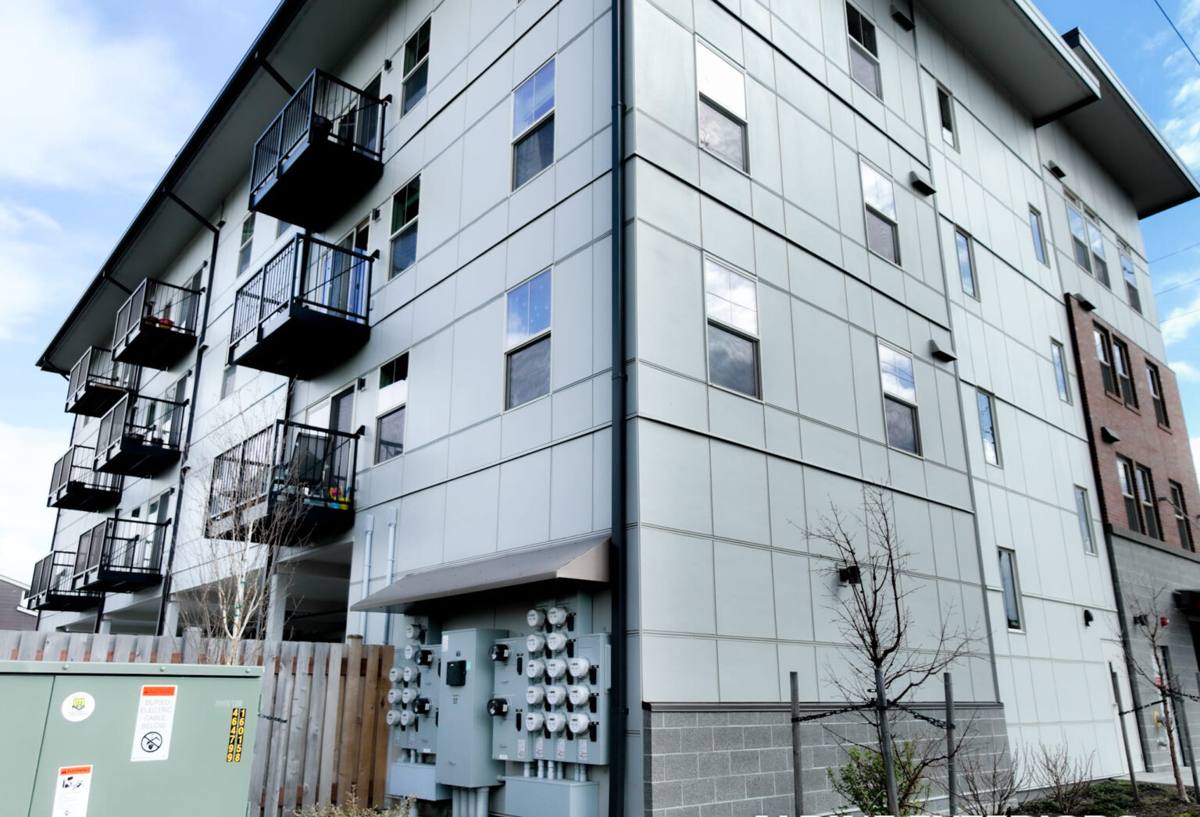
What Bellingham's Climate Does to a Roof
Salt Air and Corrosion
Homes near the water deal with airborne salt settling on every exposed surface, including the roof. Over time it accelerates corrosion on anything metal — nail heads, flashing, gutter fasteners, vent caps, and pipe boots with metal collars. A roof built with standard-grade fasteners and flashing in a coastal-influenced neighborhood like York will show rust streaking and metal fatigue years before the same materials would in a drier, inland part of the county. This is a fastener and flashing-grade decision made at installation, not something you can fix after the fact without tearing into the roof again.
Driving Rain and Wind-Driven Water
Rain in this part of Washington rarely falls straight down. Storms off the water push rain sideways, which means water gets driven up under shingle laps, around chimneys and skylights, and along wall-to-roof transitions in ways that vertical rain never would. A roof that only sheds water moving downhill isn't enough here — every penetration and transition needs to be detailed to handle water coming in at an angle, sometimes with real force behind it.
The Long Moss Season
Cool, damp conditions for most of the year mean moss and algae have a long runway to establish themselves, especially on the shaded, north-facing slopes common on York's tree-lined lots. Moss doesn't just look bad — it holds moisture against the roofing material, lifts shingle edges as it grows, and works its way under flashing over time. A roof designed with this in mind uses different material choices, better airflow underneath, and installation details that make moss harder to take hold of in the first place.
Signs a York Home Needs a New Roof, Not Another Repair
Not every roof problem calls for full replacement, but there's a point where patching stops making sense — either because the roof is past the point repairs can fix, or because the cost of chasing repairs starts to rival the cost of doing it right once. Signs worth taking seriously include:
- Granules collecting heavily in gutters and downspouts, a sign the shingles are wearing down to bare mat
- Shingles that are curling, cupping, or cracking across large sections rather than just one spot
- Daylight visible through the roof deck from inside the attic
- Soft or spongy spots underfoot when walking the roof, indicating deck damage underneath
- Moss buildup thick enough that you can't see the shingle surface underneath it in places
- Repeated leaks in different locations each season rather than one recurring spot
- Visible sagging along the roofline or at the ridge
- A roof approaching or past the manufacturer's expected service life for this climate
If your roof shows one or two of these, a targeted repair may still make sense. If it shows several at once, a new installation is usually the more honest recommendation, and we'll tell you that directly rather than stringing out repairs on a roof that's already at the end of its useful life.
Roofing Materials That Hold Up in Whatcom County
Material choice matters more here than in drier climates, because the roof has to handle salt exposure, sustained moisture, and moss pressure at the same time. Here's how the common options compare for a York-area installation:
| Material | Salt Air & Moisture Behavior | Moss Resistance | Maintenance |
|---|---|---|---|
| Architectural asphalt shingle | Good with corrosion-resistant fasteners and flashing; the standard choice locally | Moderate; benefits from algae-resistant granules and good ventilation | Periodic moss removal and gutter clearing |
| Standing seam metal | Excellent when finished and fastened for coastal exposure | High; steep, smooth panels shed moss more easily | Low; occasional fastener and seam checks |
| Cedar shake | Handles moisture but needs consistent upkeep to avoid rot | Low without regular treatment and cleaning | High; requires ongoing care in this climate |
| Synthetic composite shingle | Good; resists moisture absorption better than natural wood | Moderate to high depending on product | Low to moderate |
For most York homes we recommend a quality architectural asphalt shingle rated for algae resistance, paired with corrosion-resistant flashing and fasteners, as the best balance of cost, durability, and appearance. Metal is worth serious consideration on homes with steeper rooflines or heavier tree cover, since it sheds moss and debris more effectively over time. We don't install cedar shake as a standard offering — it's a beautiful material, but it demands a level of ongoing maintenance in this climate that most homeowners don't want to keep up with, and we'd rather set that expectation up front than sell a product that needs more attention than most people are willing to give it.
What a Correct Installation Involves
Tear-Off and Deck Inspection
A proper install starts with full tear-off down to the deck, not a layover on top of existing shingles. That's the only way to actually see what's underneath — soft spots, rot, or damage that's been hidden for years. Any damaged decking gets replaced before anything new goes down, because no underlayment or shingle can compensate for a compromised deck.
Underlayment and Water Barrier
Given how much wind-driven rain this area sees, underlayment isn't a formality. We use synthetic underlayment across the full roof and self-adhering ice-and-water barrier at the eaves, valleys, and any low-slope transitions, since these are the areas most likely to see water pushed backward under normal shingle coverage.
Flashing
Flashing around chimneys, skylights, sidewalls, and any roof penetration is where most leaks actually originate, not the shingle field itself. We use corrosion-resistant flashing material sized and formed for each specific transition, sealed and lapped so wind-driven rain can't work its way behind it.
Ventilation
Balanced intake and exhaust ventilation keeps the underside of the roof deck dry and close to outside temperature, which does two things: it extends shingle life by preventing heat and moisture buildup, and it reduces the damp, stagnant conditions that moss and algae rely on to get established. A roof that looks identical from the ground can perform very differently depending on whether the ventilation underneath was actually calculated for the size of the attic, or just eyeballed.
Our Installation Process
- On-site inspection and honest assessment of whether repair or replacement is the right call
- Written estimate covering materials, labor, tear-off, disposal, and any deck repair allowance
- Scheduling that accounts for the local weather window, since roofing needs a reasonable dry stretch to install correctly
- Full tear-off and deck inspection, with any rot or damage addressed before installation begins
- Installation of underlayment, ice-and-water barrier, flashing, ventilation components, and roofing material to manufacturer specification
- Full site cleanup, including magnetic sweep for stray nails
- Final walkthrough so you can see the finished roof and ask questions before we consider the job done
What Affects the Cost of a New Roof in York
Every roof is priced based on its own specifics, but the main cost drivers stay consistent across jobs in this neighborhood:
| Factor | Why It Matters |
|---|---|
| Roof size and number of layers to remove | More square footage and existing layers mean more tear-off labor and disposal cost |
| Roof pitch and accessibility | Steeper or harder-to-access roofs take longer and require more safety setup |
| Deck condition | Rot or soft decking found during tear-off adds repair cost not visible from the ground |
| Material choice | Asphalt, metal, and synthetic products carry different material and installation costs |
| Number of penetrations and transitions | Chimneys, skylights, and valleys each require additional flashing work |
| Ventilation upgrades needed | Older homes often need added intake or exhaust venting brought up to a working balance |
We walk every roof in person before quoting, because two houses with the same square footage in York can price very differently depending on pitch, deck condition, and how much flashing and ventilation work is actually needed to do the job right.
Why a Crew That Already Works York Matters
A roof installed by a crew that already knows this part of Bellingham isn't guessing at how much wind-driven rain a given roofline will see, or how aggressive the moss growth typically is on a shaded, tree-covered lot. That familiarity shows up in the decisions made before a single shingle goes down — which flashing details get extra attention, where ventilation needs to be upgraded rather than just matched to what was there before, and which material choices are worth the extra cost versus which ones aren't. It also means someone local to call if a question comes up after the job is finished, not a crew that packed up and left the region.
If you're weighing repair versus replacement, or just want a straight assessment of where your roof stands, we're happy to take a look. Reach out for a free, no-pressure estimate using the form below, and we'll walk the roof, answer your questions, and give you a clear recommendation either way.