 Bellingham
 Building Decks for Sehome's Particular Climate
Sehome sits close enough to Bellingham Bay that salt-laden air is a real factor in how a deck ages, not just a talking point. Add in the driving rain that comes sideways off the water in the fall and winter, plus the tree cover that shades a lot of Sehome's older lots, and you get a recipe for a deck that either lasts twenty-plus years or starts showing rot and moss within a couple of seasons. The difference almost always comes down to decisions made before the first board goes down: material choice, drainage, fastener selection, and how the frame is built underneath.
We build decks throughout Whatcom County, but Sehome's mix of hillside lots, mature trees, and proximity to the bay means the same deck plan that works fine in a drier, more open part of the county can perform very differently here. This page walks through what actually matters for a custom deck in this specific neighborhood.
What Sehome's Housing Stock Means for Deck Design
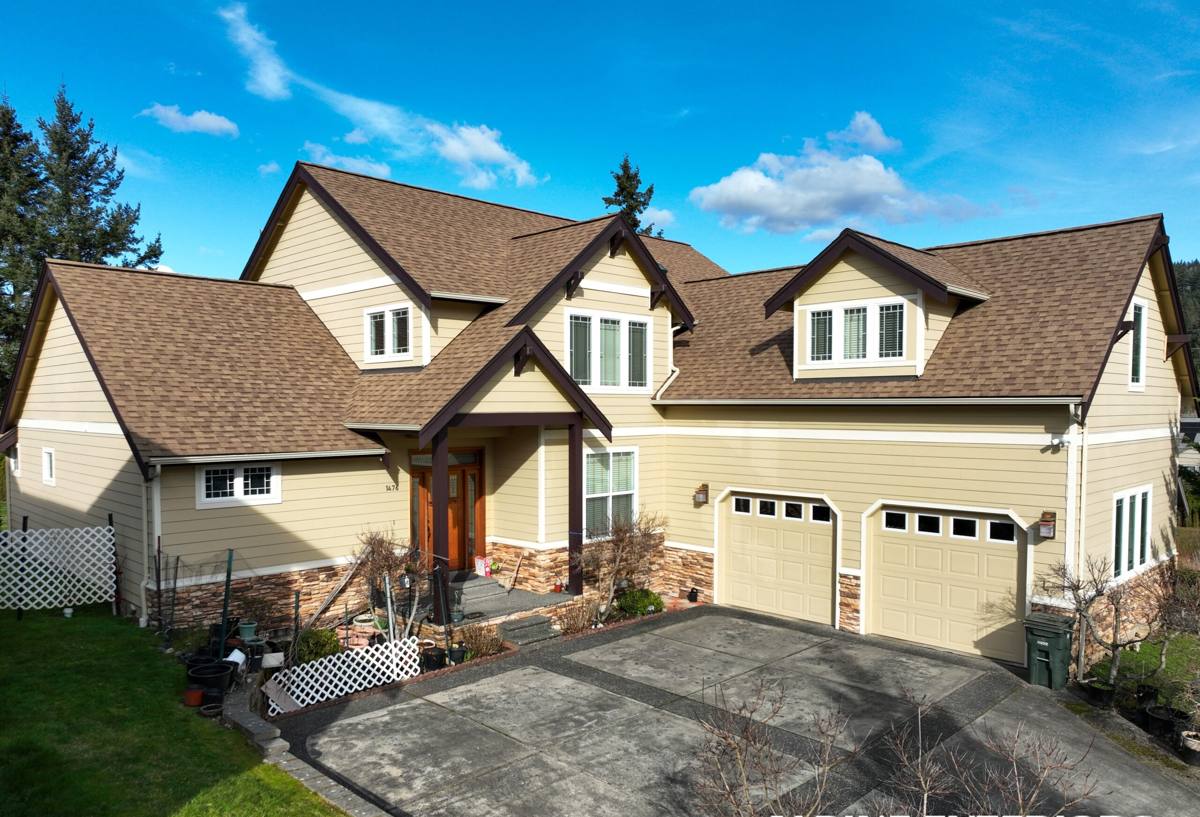
Sehome has a lot of older homes — craftsman-style houses, bungalows, and mid-century builds — many on lots with some grade change or mature landscaping close to the house. That affects deck work in a few practical ways:
- Older homes often have rim joists and ledger board framing that wasn't built to current attachment standards, so ledger flashing and fastening usually need to be corrected as part of the job, not just matched to what's already there.
- Sloped or uneven yards mean footing depth and post height can vary across a single deck, which affects both cost and the structural plan.
- Tree cover close to the house keeps decking surfaces damp longer after rain, which speeds up moss growth and biological staining on the wrong material.
- Many lots have limited side-yard access, which shapes how materials get moved in and how excavation for footings gets done without tearing up landscaping.
None of this makes a Sehome deck build harder in a bad way — it just means the plan needs to reflect the actual lot, not a one-size-fits-all template.
Choosing Decking Material for Salt Air and Moss
This is the single biggest decision on a custom deck, and it's where we spend the most time with homeowners up front. Every material handles moisture and salt air differently, and the "best" choice depends on budget, how much upkeep you want to do, and how much sun the deck actually gets.
| Material | How it handles rain & salt air | Moss/mildew resistance | Upkeep |
|---|---|---|---|
| Pressure-treated fir/hem-fir | Good if sealed regularly; end grain and fasteners are the weak points | Needs annual cleaning in shaded spots | Highest — restaining every 2-3 years |
| Cedar | Naturally moisture-resistant, ages gracefully, but softer surface | Better than treated fir but still needs cleaning | Moderate — oil or seal every few years |
| Composite (capped) | Excellent — doesn't absorb water like wood | Best in class; won't rot, though surface moss can still grow in deep shade | Low — occasional washing |
| PVC/synthetic | Excellent — fully impervious to moisture | Very good, easiest to clean | Lowest — but higher upfront cost |
We don't push composite or PVC on every job — cedar is still a great choice for homeowners who want the traditional look and are willing to do a little maintenance, and it holds up well in this climate when built correctly. Where we steer people away from certain products is usually about long-term maintenance burden or how a material handles Bellingham's specific moisture cycle, not brand preference.
Fasteners and Hardware Matter More Here
Salt air corrodes standard galvanized fasteners faster than most homeowners expect, especially within a mile or two of the bay. We use stainless steel or high-grade coated fasteners rated for coastal exposure on structural connections, and we pay close attention to joist hangers and ledger bolts, since those are the hardest parts to inspect once the decking is on.
Drainage and Moss Prevention Built Into the Frame
Moss doesn't grow because a deck is old — it grows because water sits somewhere it shouldn't. On a well-built deck in Sehome's climate, the framing itself is doing a lot of the work to prevent that:
- Decking boards spaced and gapped correctly so water sheds through rather than pooling on the surface
- A slight slope built into the frame, away from the house, so water doesn't collect near the ledger
- Proper ledger flashing so water is directed away from the house band joist instead of soaking into it
- Joist tape or flashing on top of the joists themselves, which keeps standing water from sitting directly on structural lumber
- Adequate ventilation underneath low decks, so the space beneath can actually dry out between rain events
Where a deck sits under heavy tree cover — common in parts of Sehome — we'll also talk through realistic expectations: even a well-built deck in deep shade will need periodic cleaning to stay moss-free, and that's a maintenance conversation, not a construction defect.
Permits and Local Requirements
Custom deck projects in Bellingham typically require a building permit once the deck exceeds a certain height or size, and the City of Bellingham reviews plans for structural adequacy, guardrail height, and setback compliance. Whatcom County has its own permitting process for properties outside city limits. We handle the permit application and inspection scheduling as part of the job so homeowners aren't stuck figuring out the paperwork themselves.
How We Approach a Sehome Deck Project
1. On-Site Walkthrough and Design
We start by looking at the actual lot — grade, drainage patterns, tree canopy, existing structure condition — and talk through how the space will be used. A deck built for morning coffee and a small table looks different from one built for entertaining a crowd.
2. Material and Layout Decisions
We go over decking material, railing style, and layout with real trade-offs on cost and maintenance, not just a catalog handed over. This is where the table above comes into the conversation directly.
3. Permitting
We prepare and submit the permit package and schedule required inspections so the project stays on the right side of code from footings through final.
4. Construction
Footings, framing, ledger attachment, decking, and railing — built in that order with inspections at the structural stages that require them.
5. Final Walkthrough
We walk the finished deck with the homeowner, cover basic care for whatever material was chosen, and answer questions before we consider the job done.
Maintenance Checklist for Sehome Deck Owners
Whatever material you choose, a little seasonal attention goes a long way in this climate:
- Sweep leaves and debris off the deck surface regularly in fall — trapped organic matter is what feeds moss
- Rinse the deck surface a few times a year, especially in shaded areas, to knock back early moss growth
- Check railing connections and stair fasteners annually for corrosion, particularly if the deck is within a mile or two of the bay
- Reseal or restain wood decking on the schedule appropriate to that material — don't wait until it looks bad
- Keep gutters and downspouts near the deck clear so runoff isn't dumping extra water onto or near the structure
- Trim back overhanging branches where practical to let more light and air reach the deck surface
Why Local Experience in Sehome Actually Matters
A lot of deck problems we get called to fix started as decisions made by builders who weren't accounting for this specific climate — using standard fasteners instead of coastal-rated hardware, skipping proper ledger flashing, or not building in enough slope for drainage. None of those mistakes show up on day one. They show up two or three winters later, after the driving rain and shade have had time to work on a shortcut.
Working regularly in Sehome and the surrounding Bellingham neighborhoods means we've seen how different lots in this area handle moisture over time, and we build with that in mind from the start rather than treating every deck as a generic project. That's the difference between a deck that needs real attention in year three and one that's still solid well past year fifteen.
If you're planning a new deck or replacing an aging one in Sehome, we're happy to walk the site with you and put together a clear, honest estimate — no pressure, no upsell, just a straight look at what your lot and budget call for. Use the form below to get started.