 Bellingham
 Why Birch Bay's Waterfront Climate Is Tough on Siding
Birch Bay sits right on the water in Whatcom County, and that location cuts both ways. It's part of what makes the area a great place to live, but it's also why siding here fails faster than it does even a few miles inland in Bellingham. Homes facing the bay take on salt-laden air that settles into every seam, crack, and fastener hole. Add the driving rain that comes off the Strait during winter storms — rain that hits siding sideways instead of straight down — and you've got a wall assembly that's under constant pressure to keep water out.
Then there's moss. Whatcom County's long, damp, low-sun season runs for months, and anything shaded — north-facing walls, areas under trees, spots behind shrubs — stays wet enough for moss and algae to take hold. On wood-based sidings, that moisture doesn't just sit on the surface. It works into the material itself, and that's where the real damage starts.
None of this means Birch Bay homes are doomed to constant repairs. It means the siding material and the installation details matter more here than they would in a drier, more sheltered part of the state. That's the lens we bring to every replacement project in this neighborhood.
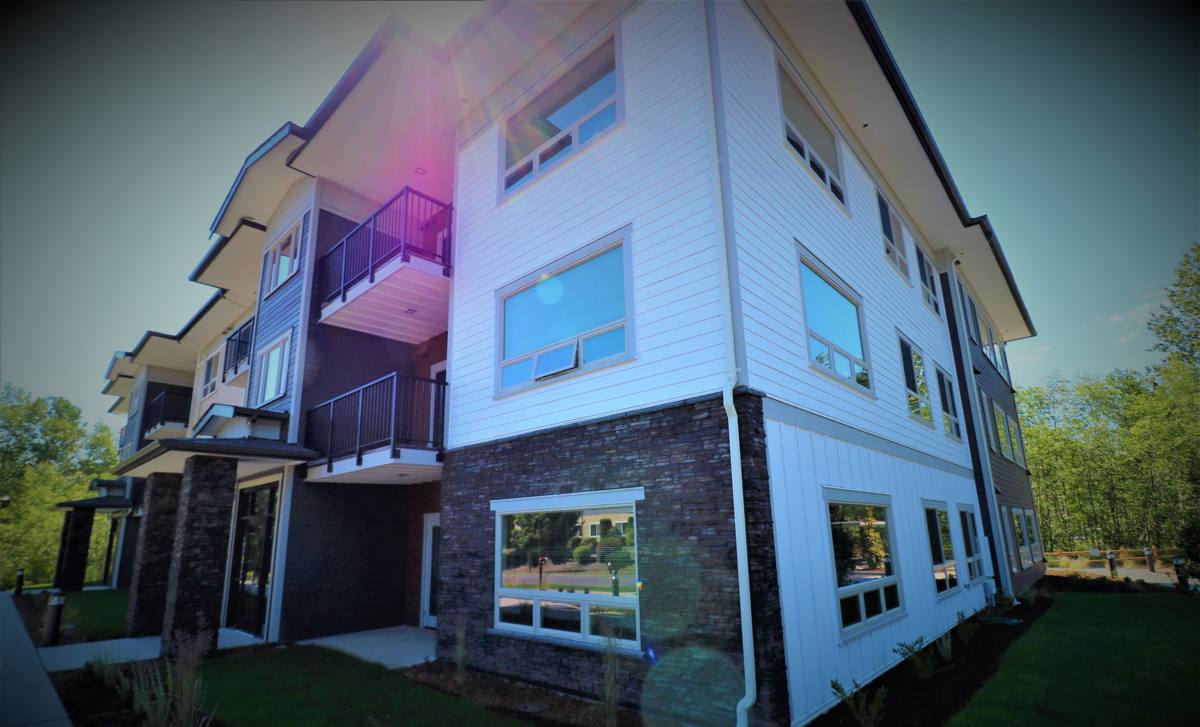
Signs Your Birch Bay Home Needs Siding Replacement
Coastal siding problems don't always look dramatic at first. A lot of homeowners live with early warning signs for a season or two before calling anyone, and by then the damage has usually spread past the surface. Here's what we look for, and what you can check yourself from the ground:
- Soft or spongy spots when you press on the siding, especially near the bottom courses or below windows
- Paint that's peeling, bubbling, or needing repainting far more often than it used to
- Persistent moss or dark streaking that comes back within weeks of cleaning
- Visible gaps, warping, or cupping in individual boards or panels
- Rising energy bills that suggest the wall assembly isn't sealing the way it should
- Musty smells or visible staining on interior walls that share an exterior wall with damaged siding
- Siding that's original to a home built more than 20-25 years ago, particularly wood-based products
Any one of these on its own might just mean a repair. Two or three together, especially on the sides of the house that face open water or stay shaded, usually mean the siding system as a whole is past the point where patching makes sense.
What a Correct Siding Replacement Involves
Siding replacement isn't just pulling off old panels and nailing up new ones. In a marine environment like Birch Bay, the parts you don't see after the job is done are what determine whether it holds up.
Tear-Off and Sheathing Inspection
Once old siding comes off, we're looking at the sheathing and framing underneath — the parts that have been hidden, sometimes for decades. This is where we find out if moisture has already gotten past the old siding. Soft sheathing, rot around window and door openings, or rusted fasteners all need to be addressed before anything new goes up. Skipping this step and siding over hidden damage is one of the most common ways a replacement job fails early.
Moisture Barrier and Flashing Details
A weather-resistant barrier goes over the sheathing, and every penetration — windows, doors, hose bibs, light fixtures, vents — gets flashed so water is directed out and down, never trapped behind the siding. This layer matters more on a house that takes driving rain off open water than it does on a sheltered inland lot. Corners, seams, and the bottom edge of the wall (where water collects) need particular attention.
Fastening and Installation to Manufacturer Spec
Fiber cement siding has specific nailing patterns, gapping requirements, and clearances from grade, decks, and roof lines that are engineered into the product's warranty. Installing it "close enough" voids that protection even if the siding itself is rated for the climate. We install to the manufacturer's published specifications, not shortcuts that speed up the job.
Material Comparison for a Salt-Air, High-Moisture Environment
We get asked often why we don't offer vinyl, LP SmartSide, or cedar alongside James Hardie fiber cement. It comes down to how each material actually performs under the conditions Birch Bay homes face year-round.
| Material | Salt Air & Driving Rain | Moss & Moisture Resistance | Long-Term Maintenance |
|---|---|---|---|
| Vinyl siding | Can warp or crack under wind-driven rain and temperature swings; seams are a common water entry point | Doesn't rot, but traps moisture behind it if installed too tight, leading to hidden sheathing damage | Low upkeep, but fading and brittleness increase over time, especially with UV and salt exposure |
| LP SmartSide (engineered wood) | Wood-strand core is vulnerable at cut edges and joints if sealing isn't maintained | Susceptible to moisture intrusion and swelling if caulking or paint fails | Requires disciplined repainting and re-caulking on a strict schedule to keep the warranty valid |
| Cedar | Handles rain reasonably well when new, but salt air accelerates weathering and finish breakdown | Real wood; moss, mildew, and rot are ongoing concerns in shaded, damp conditions | Highest maintenance of the group — regular refinishing, sealing, and vigilance against rot |
| James Hardie fiber cement | Engineered for wet climates; resists warping and cracking from moisture cycling | Non-combustible, moisture-resistant core doesn't feed rot or swell the way wood-based products can | Factory-applied ColorPlus finish holds color and resists the fading/peeling cycle common near saltwater |
Why We Install Only James Hardie Fiber Cement
Every product in that table has a reasonable case for someone, somewhere. Vinyl is inexpensive and low-maintenance in dry, sheltered climates. Cedar has real aesthetic appeal for homeowners who want a natural look and are willing to maintain it. LP SmartSide works when caulking and paint schedules are followed closely. But Birch Bay isn't a forgiving environment for materials that depend on flawless, ongoing maintenance to keep water out, and it's not kind to products that rely on wood as a structural component.
James Hardie fiber cement is engineered specifically for these conditions. It won't rot, it's non-combustible, and it's built in climate-specific HZ formulations designed for wet regions like the Pacific Northwest. The factory-applied ColorPlus finish is baked on under controlled conditions rather than field-painted, which matters a lot when a house is fighting salt air and UV exposure. It also carries a strong transferable warranty backed by the manufacturer, which gives homeowners real protection instead of a promise that depends on perfect upkeep. We standardized on it because it's the product that actually holds up to what this coastline does to a house, not because it's the only option on the market.
Our Siding Replacement Process in Birch Bay
- On-site assessment. We walk the exterior, check for the warning signs above, and evaluate how exposure — sun, wind, and water — varies across different sides of your home.
- Written estimate. You get a clear scope of work and cost breakdown before anything is scheduled, with material and labor explained plainly.
- Tear-off and inspection. Old siding comes off and we inspect the sheathing and framing for hidden moisture damage before moving forward.
- Repair and prep. Any compromised sheathing or framing gets repaired. A new weather-resistant barrier and flashing system go in at every penetration.
- James Hardie installation. Panels or lap siding go up to manufacturer spec — correct nailing pattern, gapping, and clearances from grade, decks, and rooflines.
- Final walkthrough. We review the finished work with you, including trim, caulking, and touch-up details, before calling the job done.
Cost Factors for Birch Bay Siding Replacement Projects
Every home is different, so we don't quote a number until we've seen the house. But a few factors consistently move the price up or down on siding replacement projects in this area:
| Factor | How It Affects the Project |
|---|---|
| Hidden sheathing damage | Rot found during tear-off adds repair scope that can't be priced accurately until the old siding is off |
| Home size and wall complexity | Multiple stories, dormers, and cut-up wall lines take more labor and material than a simple rectangular footprint |
| Trim and detail work | Custom trim around windows, corners, and rooflines adds time compared to standard trim packages |
| Siding profile chosen | Lap siding, panel systems, and shingle-style Hardie products carry different material and labor costs |
| Access and site conditions | Waterfront lots, steep grades, or tight access between structures can affect staging and labor time |
Why a Crew That Already Works Birch Bay Matters
Siding installation isn't identical everywhere. A crew that mostly works drier inland areas may not think twice about a gap in the flashing or a slightly loose nailing pattern — details that catch up with a house slowly instead of all at once. On a home exposed to salt air and driving rain, those same shortcuts show up as soft trim and water stains within a few years instead of a few decades.
Working across Whatcom County's coastal communities means we've seen how wind direction, sun exposure, and moss patterns differ from one wall of a house to another, and we plan the tear-off, moisture barrier, and installation details around that reality rather than a one-size-fits-all approach. It also means we're familiar with the permitting and inspection expectations in this part of the county, so the project moves without unnecessary delays.
Life After Replacement: Maintenance in a Marine Climate
One of the practical benefits of switching to James Hardie fiber cement is how little ongoing maintenance it asks for compared to what most Birch Bay homeowners are used to. There's no repainting cycle to chase, no caulk joints to inspect every spring, and no soft spots to watch for the way you would with wood-based siding. A periodic rinse to knock off salt residue and any moss that's taken hold on shaded walls is typically all it needs. The ColorPlus finish is designed to hold its color for years without a repaint, which matters in a climate that's hard on painted surfaces.
That doesn't mean "install it and forget it forever" — keeping gutters clear, trimming back vegetation that shades walls, and doing a visual check after major storms are good habits for any siding. But the difference in maintenance burden between fiber cement and wood-based alternatives is one of the main reasons homeowners in this area choose to make the switch even before their old siding fully fails.
If you're seeing early warning signs on your Birch Bay home, or you're just planning ahead, we're happy to take a look and walk you through what we find. The estimate is free, there's no pressure, and you'll get a straight answer about what your siding actually needs — use the form below to get started.